Imagine this: you’ve just completed a vigorous workout at your local gym in Lagos. You feel on top of the world, but the soreness creeping into your muscles is a stark reminder of the effort you exerted. You know recovery is essential, but how do you ensure it’s effective? For many fitness enthusiasts in Nigeria, muscle recovery is a crucial step often overlooked in the pursuit of fitness goals. Understanding the science and art of recovery can make a significant difference in your performance and overall wellbeing.
Muscle recovery is not merely about resting; it involves a series of strategic actions designed to repair and strengthen your muscles after exertion. Whether you’re a professional athlete or someone who enjoys weekend football matches with friends, mastering muscle recovery could be your secret weapon to improved performance and reduced injury risk.
The Science of Muscle Recovery
Before diving into practical strategies, it's essential to understand what happens to your muscles during a workout. When you exercise, especially during strenuous activities, muscles experience tiny tears. This process is natural and necessary for growth, but proper recovery is crucial to ensure these tears heal effectively.
The Physiology of Muscle Repair
Post-exercise, your body initiates the repair process, where protein synthesis occurs to rebuild muscle fibers. This process requires adequate nutrition, hydration, and rest. If any of these elements are missing, recovery can be delayed, leading to prolonged soreness and potential injury.
"Effective muscle recovery is as crucial as the workout itself. Neglecting recovery can hinder progress and increase injury risk."
The Role of Inflammation
Inflammation is a natural response to muscle stress. While acute inflammation aids in repair, chronic inflammation can lead to further damage. Understanding how to manage inflammation through diet and lifestyle can enhance recovery.
Effective Muscle Recovery Techniques
Now that we've covered the basics, let's explore practical ways to enhance muscle recovery. These techniques are particularly relevant for those leading active lifestyles in Nigeria.
Hydration is Key
- Ensure you drink plenty of water throughout the day. Dehydration can impede muscle repair and increase soreness.
- Include electrolytes in your hydration routine, especially after intense workouts, to replenish lost minerals.
Nutrition for Recovery
- Consume a balanced diet rich in proteins, healthy fats, and carbohydrates. Local Nigerian dishes like efo riro or jollof rice with grilled chicken can provide essential nutrients.
- Incorporate anti-inflammatory foods such as ginger, turmeric, and leafy greens into your meals to reduce muscle soreness.
Rest and Sleep
- Aim for 7-9 hours of quality sleep each night. Sleep is when most muscle repair occurs.
- Consider short naps during the day if you have trouble getting enough sleep at night.
The Power of Active Recovery
Active recovery refers to engaging in low-intensity activities after a workout. It's an excellent way to enhance blood circulation and reduce muscle stiffness.
Examples of Active Recovery Activities
- Walking: A brisk walk in your neighborhood can help clear lactic acid build-up in muscles.
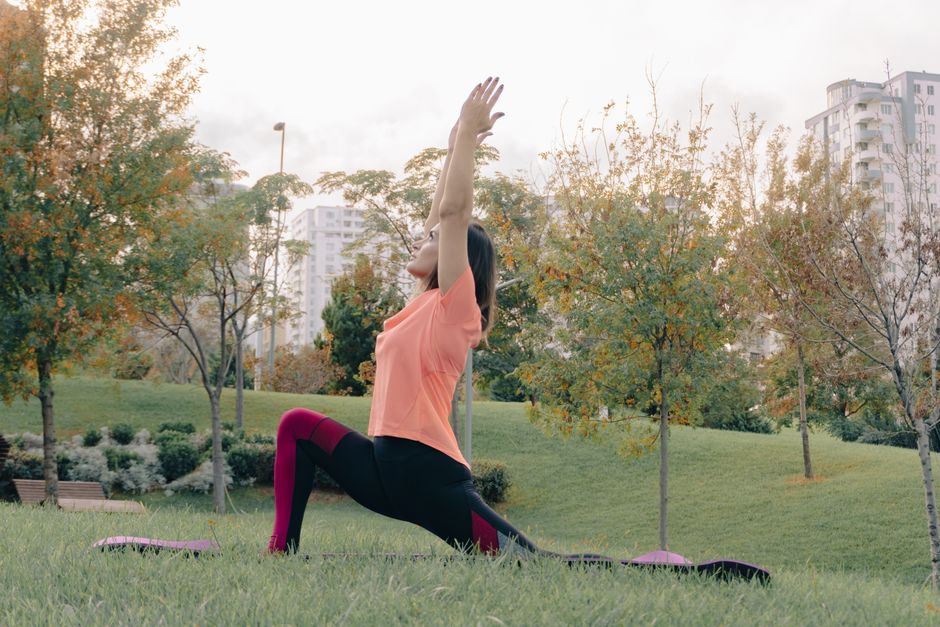
- Yoga: Incorporating yoga into your routine can improve flexibility and reduce tension.
- Swimming: A few laps in the pool provide a full-body workout without straining your muscles.
Preventing Overtraining
While regular physical activity is beneficial, overtraining can lead to burnout and increased injury risk. Here’s how to recognize and prevent overtraining.
Signs of Overtraining
- Persistent fatigue despite adequate rest.
- Decreased performance and motivation.
- Increased susceptibility to injuries and illnesses.
Strategies to Avoid Overtraining
- Incorporate rest days into your weekly routine.
- Listen to your body and adjust your workout intensity as needed.
- Use periodization in your training plan to balance intensity and rest.
Final Thoughts
Mastering muscle recovery is not just about enhancing performance; it’s about maintaining a healthy balance between exercise and rest. By incorporating these techniques into your lifestyle, you can enjoy a more sustainable and fulfilling fitness journey. Remember, recovery is personal, and what works for one person may not work for another. Therefore, it’s crucial to listen to your body and tailor your recovery plan to your unique needs.
So, next time you hit the gym or the football field, remember that your post-exercise routine is just as crucial as the workout itself. Embrace the power of recovery, and your body will thank you for it!