In the hustle and bustle of Nigerian life, where the vibrant energy of cities like Lagos and Abuja never seems to sleep, maintaining peak physical performance can be challenging. Many Nigerians juggle busy schedules, whether it's the early morning commutes, late-night market runs, or the all-important 'owambe' parties. Amidst these activities, the importance of muscle recovery often takes a backseat. In this article, we'll explore practical, culturally relevant techniques to enhance muscle recovery and overall well-being for Nigerians.
Muscle recovery is a crucial aspect of physical health and fitness. Without adequate recovery, muscles are prone to injuries and fatigue, which can hinder daily activities and fitness goals. Whether you're a weekend footballer, a dedicated gym-goer, or someone who simply wants to feel better as you go about your day, understanding the science and practice of muscle recovery can be a game-changer. Let's dive into this essential yet frequently overlooked part of fitness.
Understanding Muscle Recovery
What Happens During Muscle Recovery?
When you engage in physical activities, especially those that are intense or repetitive, your muscles undergo stress and minor damage. This is a normal process that, with proper recovery, leads to muscle strengthening and growth.
- The muscle fibers experience tiny tears.
- Inflammation occurs as the body's natural response to repair these tears.
- With adequate rest and nutrition, muscles rebuild stronger than before.
Understanding this process is essential for Nigerians aiming to optimize their fitness routines, whether in a local gym or at home.
Importance of Adequate Recovery
Skipping recovery can lead to overtraining syndrome, characterized by persistent fatigue, decreased performance, and increased risk of injury. For Nigerians who often balance work, family, and social commitments, efficient recovery strategies can enhance energy levels and productivity.
"Recovery is not a luxury; it's a necessity for anyone serious about improving their fitness," says Dr. Chioma Nwadiugwu, a Lagos-based physiotherapist.
Effective Muscle Recovery Strategies
Rest and Sleep
Rest is perhaps the most critical component of recovery. Sleep, in particular, plays a significant role in muscle recovery by releasing growth hormones that aid in tissue repair and muscle growth.
- Aim for 7-9 hours of quality sleep per night.
- Create a calming bedtime routine to improve sleep quality.
- Limit caffeine and screen time before bed.
For many Nigerians, adapting sleep schedules around work and family can be challenging, but prioritizing rest is key to recovery.
Nutrition and Hydration
Nutrition plays a vital role in muscle recovery. Consuming the right nutrients can repair damaged tissues and replenish energy stores.
- Proteins: Essential for muscle repair. Include lean meats, fish, beans, and traditional foods like moi moi or suya.
- Carbohydrates: Help replenish glycogen stores. Consider yam, plantain, and rice as part of your post-workout meals.
- Hydration: Vital for transporting nutrients and removing waste products from muscles. Aim to drink plenty of water, especially after workouts.
Nigerians can leverage local cuisine to meet their nutritional needs effectively, combining traditional foods with modern dietary insights.
Incorporating Active Recovery
Benefits of Active Recovery
Active recovery involves engaging in low-intensity exercises after high-intensity workouts. It helps to maintain blood flow and reduces muscle stiffness.
"Incorporating active recovery like light jogging or swimming can be more beneficial than just sitting and resting," suggests Uche Okafor, a fitness coach in Abuja.
Practical Active Recovery Methods
Consider integrating the following into your routine:
- Walking or biking for 20-30 minutes.
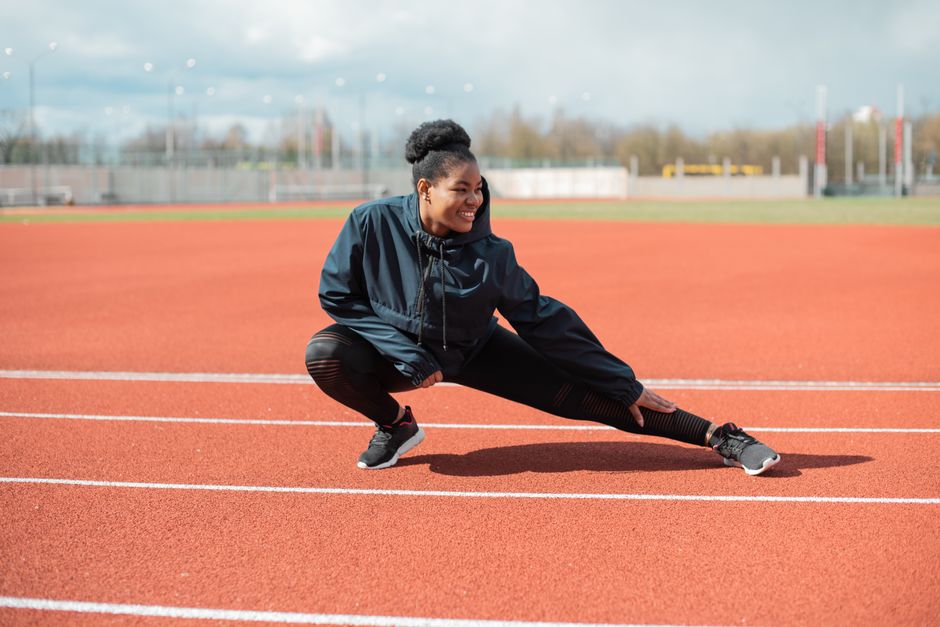
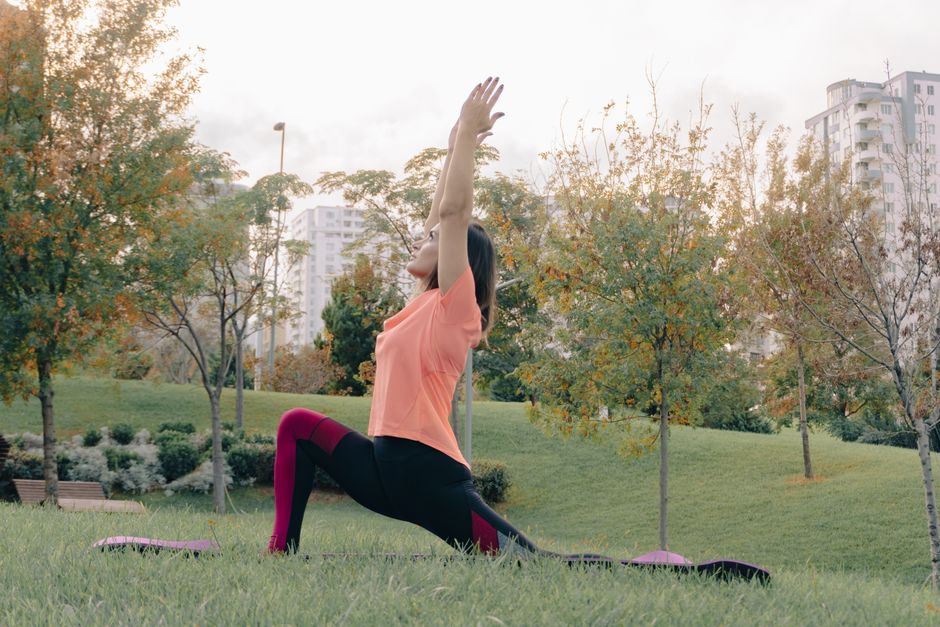
- Yoga or stretching sessions.
- Light swimming or aqua jogging.
These activities can be easily incorporated into daily life, especially in Nigeria's warmer climates.
Tools and Techniques for Enhanced Recovery
Using Foam Rollers and Massage Tools
Foam rollers and massage tools can help alleviate muscle soreness and improve flexibility.
- Use a foam roller on sore areas for 5-10 minutes daily.
- Invest in a handheld massager for targeted relief.
- Consider professional massage services when possible.
For Nigerians, integrating these tools into a recovery routine can be an effective way to manage muscular aches.
Cold and Heat Therapy
Alternating cold and heat therapies can enhance recovery by reducing inflammation and promoting circulation.
- Cold therapy: Apply ice packs to sore areas for 10-15 minutes.
- Heat therapy: Use warm towels or heating pads to relax muscles after the initial inflammation subsides.
These therapies can be easily administered at home, making them convenient options for busy Nigerians.
Conclusion
Muscle recovery is an integral component of any fitness regimen, especially for the dynamic lifestyle many Nigerians lead. By understanding and implementing proper recovery techniques, you can not only enhance your athletic performance but also improve your overall quality of life. Remember, as you strive to achieve your fitness goals, recovery is your ally, not your enemy. Prioritize it, and the results will follow.