Whether you're a weekend warrior, a student athlete, or someone just starting on a fitness journey, understanding how to effectively recover your muscles is crucial. Muscle recovery is a vital part of any fitness regime; it allows you to perform better and reduces the risk of injuries. For Nigerians, with our vibrant culture of sports and dance, knowing how to help our muscles heal and rejuvenate can make a significant difference in achieving fitness goals.
In this article, we will explore various aspects of muscle recovery, tailored specifically to fit the Nigerian lifestyle. From local food choices that aid recovery to culturally relevant exercises, you'll find practical advice to incorporate into your routine.
The Importance of Muscle Recovery
Why Muscles Need Recovery
Muscle recovery is essential because it helps repair the microscopic tears caused during exercise. Without proper recovery, these tears can lead to muscle fatigue and a higher risk of injury. For Nigerians who engage in traditional exercises or modern workouts, the role of recovery should not be underestimated.
Moreover, during recovery, muscles grow stronger and more resilient. This process, known as hypertrophy, is crucial for anyone looking to build muscle mass or increase endurance.
Signs Your Muscles Need Recovery
- Persistent muscle soreness beyond 72 hours
- Decreased performance in workouts
- Constant fatigue and tiredness
- Increased susceptibility to injuries
Recognizing these signs helps you adjust your routine and incorporate effective recovery strategies.
Nutrition: Fueling Your Recovery
The Role of Nutrition in Recovery
Nutrition plays a critical role in muscle recovery. Consuming the right balance of proteins, carbohydrates, and fats can significantly enhance the recovery process. In Nigeria, we are blessed with a variety of local foods that can be incorporated into our recovery meals.
For instance, adding beans to your diet can provide a robust source of protein and fiber, aiding in muscle repair and energy replenishment.
Local Foods for Muscle Recovery
- Beans and Plantain: A fantastic source of protein and healthy carbohydrates.
- Egusi Soup: Rich in protein and essential amino acids.
- Yam and Groundnut Sauce: Provides the necessary calories and protein for recovery.
- Pap (Akamu) with Moin-Moin: Offers a balance of carbohydrates and protein.
Incorporate these meals into your diet to ensure your muscles are getting the nutrients they need for optimal recovery.
Effective Recovery Techniques
Rest and Sleep
One of the most important recovery techniques is ensuring you get enough rest and sleep. For Nigerians, who often balance busy schedules, prioritizing sleep is crucial for muscle repair and recovery.
Aim for 7-9 hours of quality sleep each night to allow your body to repair itself. Consider setting a regular sleep schedule and creating a restful environment to improve sleep quality.
Hydration
Staying hydrated is often overlooked but is a key component of recovery. Water aids in the transportation of nutrients to the muscles and helps remove waste products.
In the hot and humid Nigerian climate, it’s vital to drink plenty of water, especially after a workout. Consider natural hydration sources like coconut water, which is rich in electrolytes.
Stretching and Foam Rolling
Incorporating stretching and foam rolling into your routine can help relieve muscle tension and improve circulation, speeding up the recovery process.
Focus on dynamic stretching before workouts and static stretching afterward to maximize benefits. Foam rolling can help alleviate soreness and enhance flexibility.
Incorporating Recovery into Your Routine
Planning Your Rest Days
Rest days are as important as workout days. They allow your body to heal and prepare for the next session. Plan your rest days strategically, especially after intense workouts.
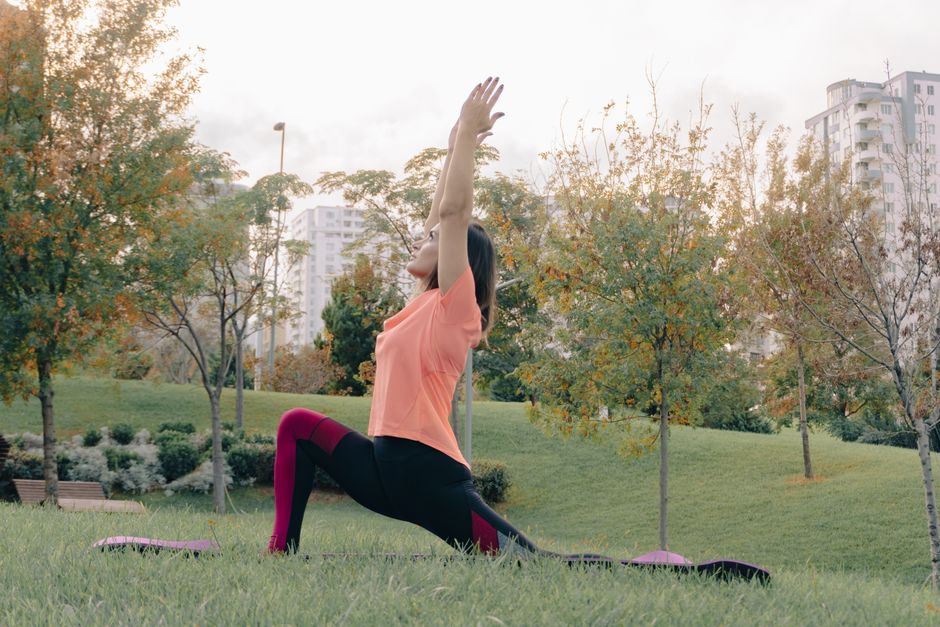
Engage in light activities like walking or yoga to keep your body active without overexerting your muscles.
Listening to Your Body
Perhaps the most crucial tip is to listen to your body. If you feel excessively tired, it might be a sign to take an extra rest day or reduce workout intensity.
Trust your instincts and remember that pushing through pain can lead to long-term injuries.
Conclusion
Muscle recovery is a multifaceted process that involves proper nutrition, adequate rest, and effective recovery techniques. By integrating these practices into your routine, you can enhance your performance and minimize downtime due to injuries.
Embrace these strategies tailored for the Nigerian lifestyle and watch as your body transforms and adapts to new challenges. Remember, muscle recovery is not just about what you do after a workout but also how you prepare your body for the next one.