Imagine this: you’ve just finished an intense workout or a spirited football match in the heart of Lagos. Your muscles feel like they’ve been through the wars, and all you want is to bounce back stronger for the next day's challenges. This is where the art and science of muscle recovery come into play, offering you the tools to rejuvenate, refresh, and ready yourself for whatever comes next. Muscle recovery isn't just for professional athletes; it's for anyone who wants to maximize their fitness journey, avoid injuries, and maintain a balanced lifestyle. Let's dive into the secrets of muscle recovery, especially tailored for our Nigerian context.
From the bustling streets of Abuja to the serene landscapes of Calabar, Nigerians are known for their resilience and determination. Yet, as we push our physical limits, it’s crucial to incorporate effective recovery routines into our fitness regimen. The importance of muscle recovery cannot be overstated; it’s the key to enhancing performance, reducing injury risks, and ensuring long-term health.
The Science Behind Muscle Recovery
Understanding Muscle Fatigue
Muscle fatigue occurs when muscles are overworked and need time to recover. It’s a normal part of exercising but understanding its mechanics can help you manage it better.
When you exercise, your muscles experience small tears. These tears are repaired during rest, which is why recovery is so important. The process involves replenishing energy stores, eliminating lactic acid, and repairing these micro tears.
"Muscles don't grow during workouts; they grow during rest."
The Role of Nutrition in Recovery
Nutrition plays a pivotal role in muscle recovery. Consuming the right nutrients post-workout can significantly enhance the recovery process.
- Proteins: Essential for muscle repair and growth. Include lean proteins like chicken, fish, and plant-based sources like beans.
- Carbohydrates: Replenish glycogen stores. Opt for complex carbs such as brown rice and yams.
- Hydration: Proper hydration aids in nutrient transportation and waste removal. Aim for at least 2 liters of water daily.
Incorporating traditional Nigerian foods like okra soup with fufu or bean cakes can also provide a nutritious and balanced meal, aiding recovery.
Effective Recovery Techniques
Active Recovery
Active recovery involves low-intensity exercises that stimulate blood flow and help remove lactic acid from the muscles.
- Walking: A simple walk around your neighborhood can be incredibly beneficial.
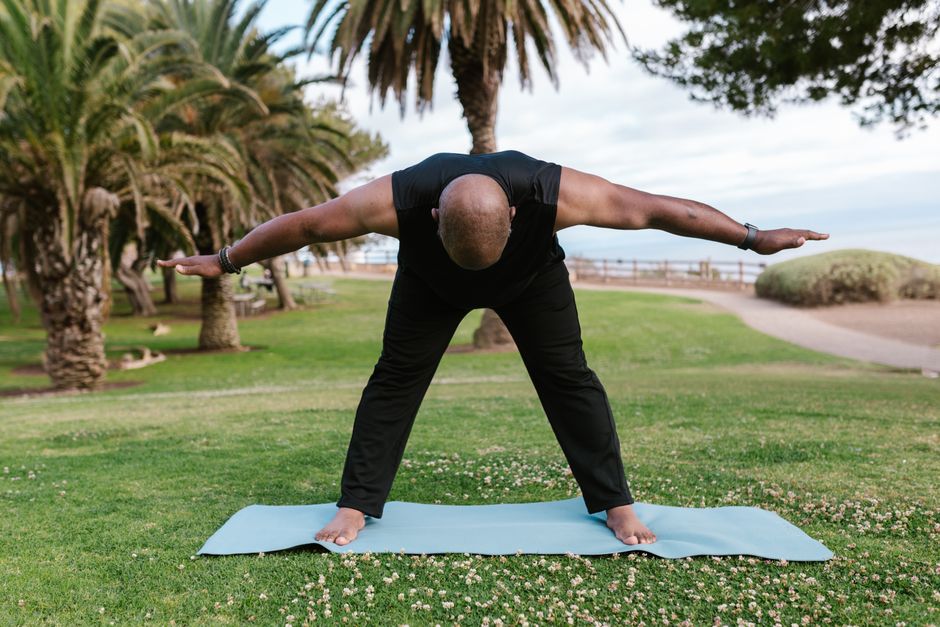
- Yoga: Incorporates gentle movements and stretches that enhance flexibility and circulation.
Active recovery can be particularly effective after high-intensity sessions, allowing you to stay active without placing undue stress on your muscles.
Massage and Foam Rolling
These techniques help to release muscle tension and improve circulation, facilitating faster recovery.
"A good massage not only relaxes the mind but also rejuvenates the body."
Using a foam roller on sore muscles can be highly effective. It's an affordable and accessible way to perform self-massage.
Traditional Nigerian Practices
The Role of Herbal Remedies
Nigerian culture is rich with herbal remedies known for their healing properties. Some herbs are believed to aid recovery and reduce inflammation.
- Bitter leaf: Known for its anti-inflammatory properties.
- Scent leaf: Often used in teas for its soothing effects.
Incorporating these herbs into your diet can offer natural support for your recovery routine.
The Power of Rest
The importance of rest cannot be overstated. It’s during sleep that growth hormone levels rise, aiding in muscle repair.
Aim for 7-9 hours of quality sleep per night. Consider creating a calming bedtime routine to enhance sleep quality.
Overcoming Common Recovery Challenges
Balancing Busy Schedules
With work, family, and social commitments, finding time for recovery can be challenging. However, integrating short recovery exercises into your daily routine can make a big difference.
Addressing Mental Fatigue
Mental exhaustion can compromise physical recovery. Techniques such as meditation and mindfulness can improve mental resilience and support overall recovery.
- Meditation: Helps in reducing stress and promoting relaxation.
- Mindfulness: Encourages present-moment awareness and emotional balance.
Conclusion
Embracing a holistic approach to muscle recovery is essential for athletes and fitness enthusiasts alike. By combining physical techniques with traditional Nigerian practices, you can achieve optimal recovery and enhance your performance. Remember, muscle recovery is as important as the workout itself. As you continue your fitness journey, make recovery a priority—not just an afterthought.