Muscle recovery is a crucial aspect of any athlete's training regimen, yet it often doesn't receive the attention it deserves. For athletes in Nigeria, where the climate can be challenging and the training intense, mastering muscle recovery is essential for peak performance and long-term health.
Whether you're a professional athlete, a weekend warrior, or someone just starting out on their fitness journey, understanding how to effectively recover your muscles is key to reaching your goals. Let's delve into some practical and effective muscle recovery methods that can help you bounce back faster and stronger.
The Importance of Muscle Recovery
Muscle recovery is not just about rest; it's an integral part of training that ensures you are ready for your next workout, preventing injuries and promoting muscle growth.
Why Muscle Recovery Matters
When you exercise, particularly during strength training, your muscles undergo stress and tiny tears occur in the muscle fibers. Recovery allows these fibers to heal and grow back stronger.
- Prevents Injury: Proper recovery practices reduce the risk of sprains, strains, and overuse injuries.
- Enhances Performance: Well-recovered muscles perform better, enabling you to train harder and longer.
- Improves Mental Health: Rest and recovery also aid in managing stress and improving overall mental well-being.
Recovery Time and Techniques
The amount of time and the best techniques for muscle recovery can vary depending on the intensity of the workout and the individual's fitness level.
"Remember, recovery is just as important as the workout itself."
Effective Muscle Recovery Techniques
Active Recovery
Engage in low-intensity exercises like walking or cycling to increase blood flow to your muscles, aiding in the removal of lactic acid.
Hydration and Nutrition
Water plays a vital role in muscle recovery. Staying hydrated ensures that your muscles receive the nutrients they need to heal and grow.
- Water: Drink plenty of water throughout the day, especially after workouts.
- Protein-Rich Foods: Include lean meats, beans, and nuts in your diet to provide the essential amino acids needed for muscle repair.
Stretching and Foam Rolling
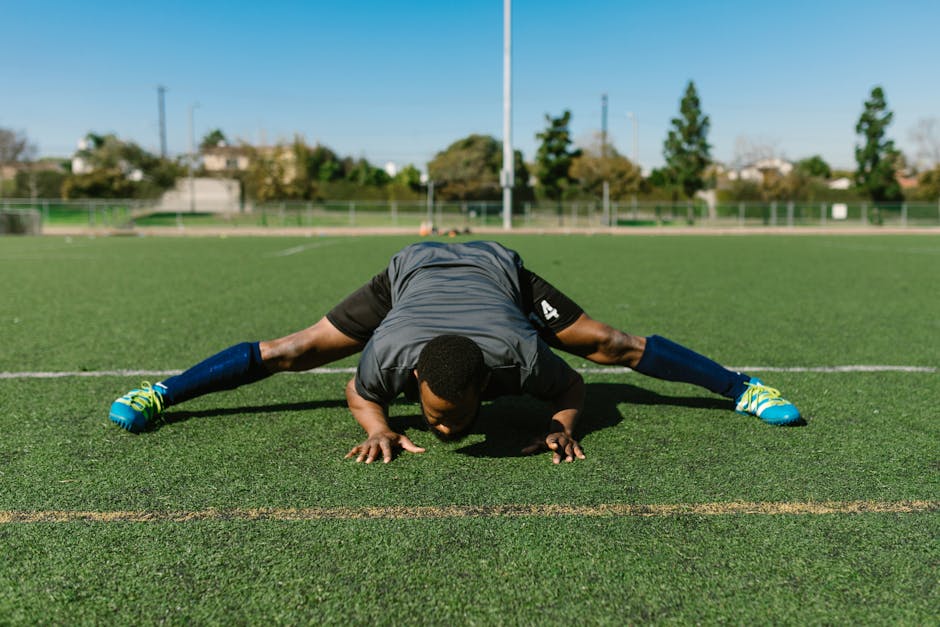
Incorporating stretching and foam rolling into your routine can drastically improve recovery by increasing flexibility and reducing muscle stiffness.
Role of Sleep in Muscle Recovery
Sleep is when your body repairs itself, making it one of the most powerful tools for recovery.
Importance of Quality Sleep
Aim for 7-9 hours of restful sleep per night. Quality sleep boosts the production of growth hormones crucial for muscle recovery.
Tips for Better Sleep
- Establish a Routine: Go to bed and wake up at the same time each day.
- Create a Relaxing Environment: Keep your bedroom cool, dark, and quiet.
Local Remedies and Practices
In Nigeria, there are traditional methods that can complement modern recovery techniques.
Herbal Remedies
Herbs like ginger and turmeric have anti-inflammatory properties that can help ease muscle soreness.
Community Support and Knowledge
Engage with local sports communities to exchange knowledge and support each other in recovery practices.
Conclusion
Embracing muscle recovery is not just a recommendation; it's a necessity for anyone serious about their health and fitness. By incorporating these techniques into your routine, you ensure that your body is ready to face new challenges, whether in sports or daily life. Remember, recovery helps build resilience, and in the world of athletics, resilience is everything.