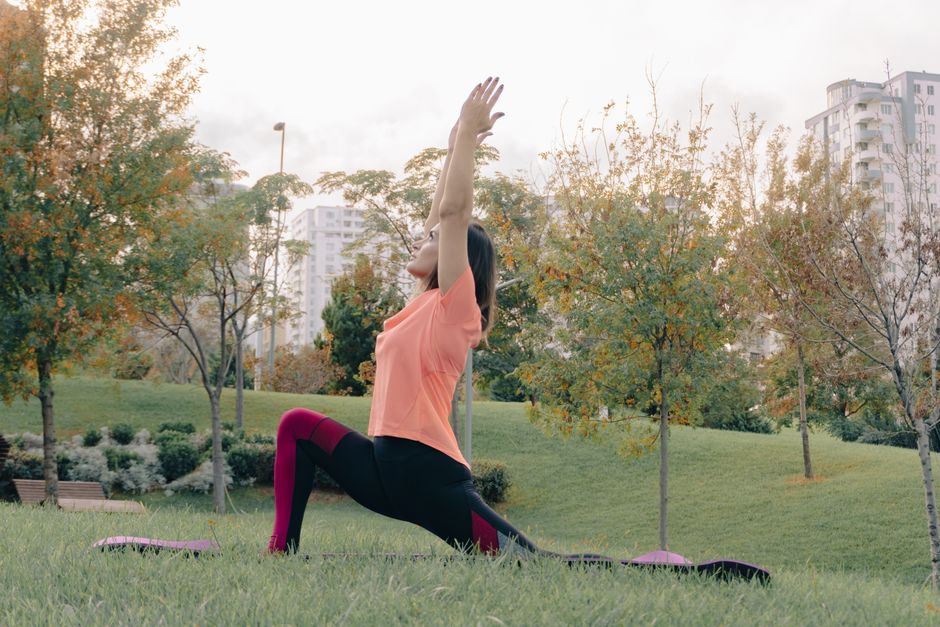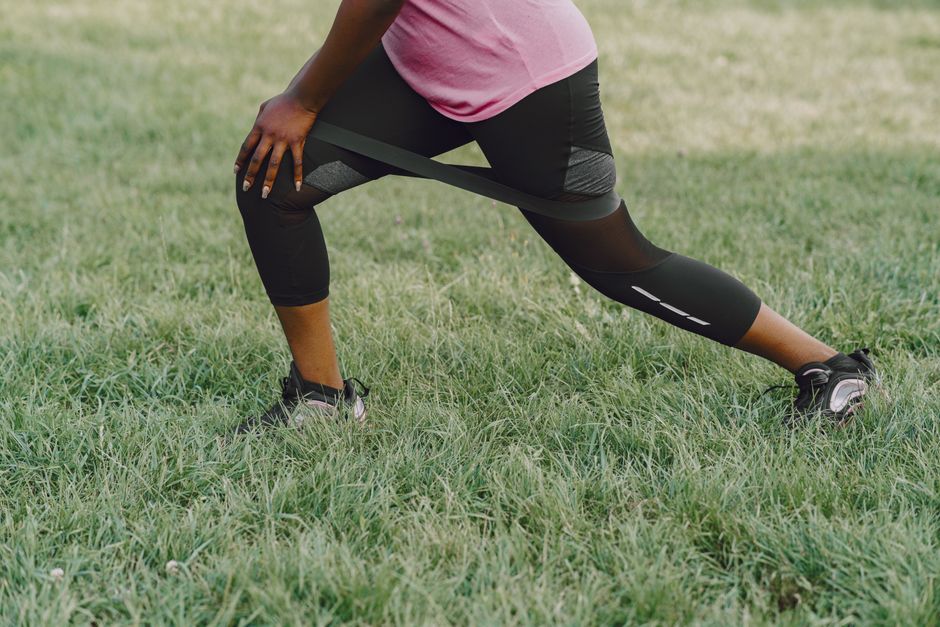
Muscle recovery is a crucial yet often overlooked aspect of fitness and overall well-being. Whether you're an avid gym-goer or someone who enjoys weekend hikes around the scenic landscapes of Nigeria, understanding how to properly recover those hard-working muscles can make all the difference in your fitness journey. Muscle recovery isn't just about resting; it's about employing a strategic approach that ensures you can bounce back stronger and more energized than before.
In this guide, we'll delve into practical tips and strategies for muscle recovery tailored specifically for Nigerians. From traditional methods to modern science-backed techniques, we'll cover everything you need to know to keep your muscles happy and healthy.
The Importance of Muscle Recovery
Before diving into the 'how', let's discuss the 'why'. Why is muscle recovery so important? Well, when you engage in physical activities, your muscle fibers suffer tiny tears. This is a natural process and part of how muscles grow stronger. However, without proper recovery, these tears can lead to injury and prolonged fatigue.
Preventing Injuries
Recovery plays a pivotal role in injury prevention. In Nigeria, where traditional sports like football are a national pastime, understanding this can prevent many common injuries.
- Ensure you are giving your body adequate time to heal between intense sessions.
- Utilize cooling down techniques post-exercise to gradually bring your heart rate back to normal.
- Listen to your body's signals; persistent pain is an indication of overuse.
Enhancing Performance
Proper recovery doesn't just prevent injuries; it also enhances your performance. By allowing your muscles the necessary time to repair and strengthen, you can achieve better results in your workouts.
"Recovery is not just for the weak; it's a strategy for the wise."
Effective Muscle Recovery Strategies
Now that we understand the importance of muscle recovery, let's explore some effective strategies you can incorporate into your routine.
Hydration and Nutrition
Hydration is key to recovery. In Nigeria's warm climate, staying hydrated can be a challenge but it's crucial for flushing out toxins and aiding muscle repair.
- Drink plenty of water before, during, and after exercise.
- Incorporate electrolytes in your hydration routine to replace lost salts.
Nutrition also plays a significant role. Consuming the right nutrients post-exercise can accelerate recovery.
- Focus on proteins and healthy fats that aid in muscle repair.
- Don't forget carbohydrates, which replenish energy stores.
- Consider Nigerian staples like plantain and beans as excellent sources of recovery fuel.
Incorporating Rest Days
Rest days are just as important as workout days. They allow your body to heal and grow stronger.
- Plan at least one full rest day per week.
- Engage in active recovery activities like walking or gentle yoga to keep your body moving.
Massage and Foam Rolling
Massage and foam rolling help in relieving muscle tightness and improving blood circulation.
- Consider regular massages from a professional or use a foam roller to target sore areas.
- Focus on major muscle groups, especially after intense workouts.
Traditional Nigerian Remedies for Muscle Recovery
Nigeria is rich in traditional remedies that have been used for generations to aid in muscle recovery. These methods not only provide physical relief but also connect us to our cultural heritage.
Herbal Remedies
Herbs like bitter leaf and moringa are known for their anti-inflammatory properties.
- Include these herbs in your diet for added recovery support.
- Herbal teas can also be soothing post-exercise.
Hot and Cold Therapy
Alternating between hot and cold therapy can reduce muscle soreness and promote recovery.
- Use a hot towel or heating pad on sore muscles.
- Follow up with a cold compress to reduce inflammation.
Technological Advances in Muscle Recovery
With rapid advancements in technology, there are now innovative tools and techniques available to aid muscle recovery.
Compression Wear
Compression garments are designed to increase blood flow and reduce muscle soreness.
- Consider wearing compression gear during and after workouts.
- Look for high-quality materials that provide adequate support.
Recovery Apps and Devices
Apps and devices that track your progress and suggest recovery techniques tailored to your routine can be incredibly beneficial.
- Explore apps that offer guided stretching and recovery programs.
- Consider investing in wearable technology that monitors your recovery metrics.
Conclusion
Muscle recovery is an essential component of any fitness journey. By understanding and implementing these strategies, you can optimize your recovery and enhance your performance. Remember, the key to effective recovery is consistency and listening to your body's needs. Whether you're using traditional Nigerian remedies or modern technological advancements, the important thing is to make recovery a priority in your routine.
Stay active, stay healthy, and let your muscles recover so you can enjoy a stronger, more vibrant life.