You've just finished an intense workout session, your muscles are screaming, and you're feeling on top of the world. But what comes next? Recovery! Muscle recovery is an often overlooked, yet vital aspect of fitness that ensures you're not just building strength, but also allowing your body to repair and prepare for future activities. In Nigeria, where hustle and bustle define our daily lives, understanding and implementing effective muscle recovery strategies can be a game-changer for maintaining a balanced and healthy lifestyle.
In this comprehensive guide, we'll delve into the practical strategies tailored for Nigerians to enhance muscle recovery. Whether you're a fitness enthusiast or someone who enjoys a good workout now and then, these tips will help you recover faster and perform better.
Understanding Muscle Recovery
The Physiology of Muscle Recovery
Muscle recovery is the process through which your body heals and strengthens post exercise. During workout sessions, muscle fibers undergo microscopic tears, leading to the soreness you're probably familiar with. Recovery is your body's way of repairing these tears, making muscles stronger and more resilient.
"Recovery is where the magic happens. It’s not just about resting, but about preparing your body for the next challenge."
Common Muscle Recovery Challenges in Nigeria
In Nigeria, factors such as high temperatures, humidity, and often hectic lifestyles can pose unique challenges to muscle recovery. The traditional Nigerian diet, while rich and varied, may sometimes lack the specific nutrients essential for recovery.
Effective Muscle Recovery Strategies
Hydration and Nutrition
Staying hydrated is crucial, especially in Nigeria’s warm climate. Water supports every cellular function in your body, including the repair of muscles. Additionally, incorporating a balanced diet rich in protein, carbs, and healthy fats aids in muscle recovery.
- Hydration: Aim to drink at least 3 liters of water daily, more if you're active.
- Nutrition: Include foods like beans, yams, and plantains which provide necessary carbs and proteins.
Rest and Sleep
Rest is a non-negotiable part of recovery. Quality sleep allows your muscles to heal and grow. Nigerian culture often values 'resting', yet the fast pace of life can make it challenging.
- Sleep: Aim for 7-9 hours of sleep per night to ensure optimal recovery.
- Rest Days: Don't underestimate the power of rest days in your fitness routine.
Incorporating Stretching and Low-Intensity Exercises
The Role of Stretching
Stretching helps maintain flexibility and reduces muscle tension. Incorporating gentle stretches post-workout can significantly enhance recovery.
- Dynamic Stretching: Useful before workouts to prepare muscles.
- Static Stretching: Ideal after workouts to relax muscles.
Yoga and Light Activities
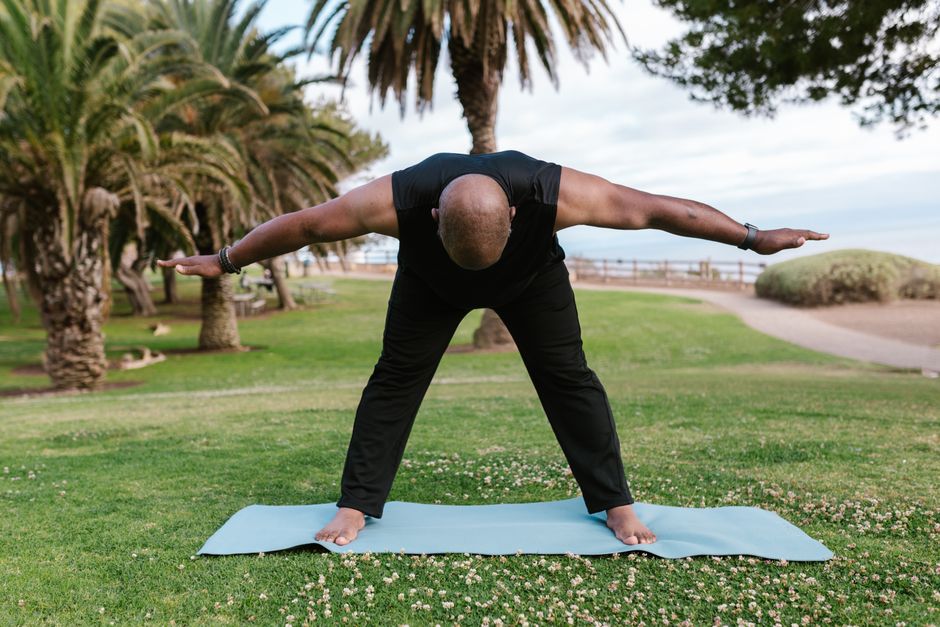
Yoga is not just a physical practice, but a mental one too. It helps reduce stress, increase flexibility, and promote circulation, aiding in recovery.
"Yoga is a fantastic way to unwind your body and mind, making it an excellent addition to your recovery routine."
Using Recovery Tools and Techniques
Foam Rolling and Massage
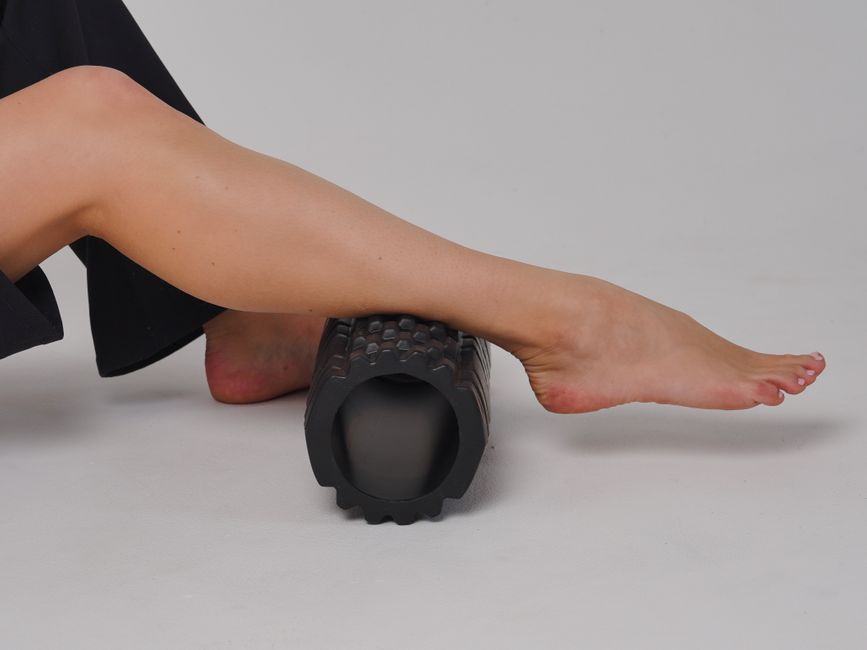
Foam rollers and massages are great tools to alleviate muscle tightness and enhance blood flow.
- Foam Rolling: Spend 5-10 minutes rolling out major muscle groups post-exercise.
- Massage: Regular massages can help alleviate tension and aid recovery.
Cold and Heat Therapy
Alternating cold and heat therapies can be beneficial. Cold helps reduce inflammation, while heat can soothe and relax muscles.
- Ice Baths: Consider an ice bath for acute inflammation post intense workouts.
- Warm Baths/Saunas: Use for relaxing muscles and promoting blood circulation.
Final Thoughts
Muscle recovery is a crucial component of any fitness regimen. By incorporating these strategies into your routine, you're not just ensuring that your muscles heal effectively, but also enhancing your overall physical performance. Embrace these recovery techniques and make them a part of your lifestyle, tailored to fit the vibrant and diverse Nigerian way of life.
Remember, in the world of fitness and health, it's not just about how hard you train, but how well you recover. Prioritize recovery to maximize your results and enjoy a healthier, more balanced life.