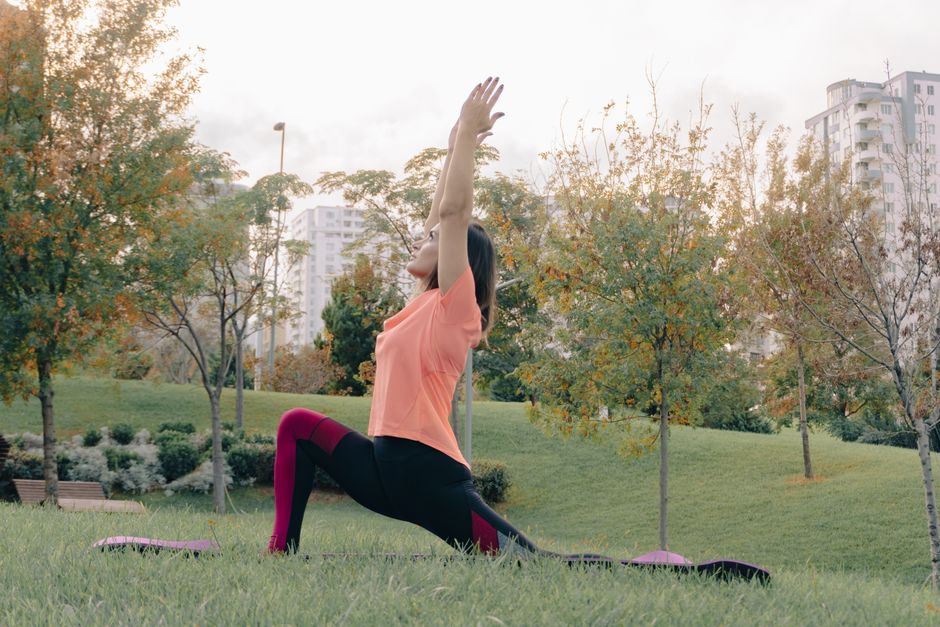
In today's fast-paced world, finding effective ways to recover from intense physical activities is crucial for maintaining overall health and vitality. Muscle recovery isn't just about resting; it's a comprehensive approach that combines proper nutrition, rest, and lifestyle adjustments. As Nigerians, we're no strangers to the hustle and bustle of life, which often leaves little room for prioritizing recovery. Yet, understanding and implementing muscle recovery techniques can lead to enhanced performance, reduced injury risk, and overall well-being.
From the bustling streets of Lagos to the serene fields of Jos, Nigerians engage in various physical activities, be it for work, leisure, or sports. It's essential to understand that muscle recovery plays a pivotal role in achieving optimal health. In this guide, we'll explore practical and effective muscle recovery strategies to help you bounce back faster and stronger after physical exertion.
Whether you're an athlete, a fitness enthusiast, or simply someone who enjoys staying active, this article will provide you with the tools you need to master muscle recovery. From traditional methods to modern science-backed tips, let's dive into the world of muscle recovery tailored for the Nigerian lifestyle.
Understanding Muscle Recovery
What is Muscle Recovery?
Muscle recovery is the process by which your muscles repair and strengthen after being stressed during physical activity. This process involves multiple biological mechanisms that repair muscle fibers, replenish energy stores, and remove waste products.
"Muscle recovery is not just a phase after exercise; it's an integral part of fitness that enhances performance and prevents injuries."
Why is Muscle Recovery Important?
Proper muscle recovery helps to:
- Reduce the risk of injury by ensuring muscles are adequately healed before engaging in further activity.
- Improve performance by allowing muscles to repair and grow stronger.
- Prevent burnout by balancing activity with rest, which is crucial for long-term health.
Nutrition for Optimal Recovery
Fueling Your Body
Nutrition plays a critical role in muscle recovery. Consuming the right nutrients at the right time can significantly impact how quickly and effectively your muscles recover. Here are some nutritional tips:
- Protein: Essential for repairing and building muscle tissue. Include sources such as beans, chicken, and fish.
- Carbohydrates: Replenish energy stores. Opt for whole grains like yam, rice, and plantains.
- Hydration: Water is vital for all cellular functions, including muscle recovery. Aim for at least 8-10 glasses a day.
- Fats: Healthy fats like those found in avocados and nuts can support the recovery process.
Timing Your Meals
When you eat is almost as important as what you eat. Plan your meals around your activity schedule for optimal recovery:
- Consume a balanced meal 1-2 hours before activity.
- Have a recovery snack or meal within 30 minutes post-exercise.
- Incorporate a mix of protein, carbohydrates, and fats in your meals.
Rest and Sleep Strategies
The Power of Rest
Rest is not a sign of weakness; it's a vital part of any fitness regimen. Giving your body time to heal and rebuild helps ensure that you are ready for the next challenge.
- Incorporate rest days into your weekly routine to prevent overtraining.
- Listen to your body. If you're feeling fatigued, it's okay to take a break.
Optimizing Sleep for Recovery
Quality sleep is crucial for muscle recovery. During sleep, your body goes into repair mode, releasing hormones that aid in muscle growth and recovery.
- Aim for 7-9 hours of sleep per night.
- Maintain a consistent sleep schedule, even on weekends.
- Ensure your sleep environment is conducive to rest—quiet, dark, and cool.
Active Recovery Techniques
Light Exercise
Engaging in low-intensity activities can boost circulation and speed up recovery by delivering nutrients to muscles and removing waste products.
- Consider activities like walking, cycling, or swimming on rest days.
- Practice gentle stretching to keep muscles flexible and limber.
Massage and Foam Rolling
These techniques help alleviate muscle soreness and improve range of motion. They can be easily incorporated into your routine:
- Foam roll major muscle groups for 10-15 minutes post-exercise.
- Consider professional massages to target deeper muscle tissues.
Final Thoughts
Muscle recovery is a continuous journey rather than a destination. By incorporating the tips outlined in this guide, you'll be well-equipped to recover effectively and maintain your physical health. Remember, balance is key—as much as we strive for activity, equal importance should be placed on recovery. This balanced approach will not only enhance your performance but also ensure long-term health and vitality. Let these strategies be your roadmap to a healthier, more resilient body.