In the vibrant, fast-paced world of athletics, especially in Nigeria, where sports like football and athletics are not just pastimes but a way of life, understanding the art of muscle recovery is crucial. Whether you're a weekend warrior or a professional athlete, muscle recovery can be the difference between achieving your personal best and being sidelined by injury. In this article, we delve into effective muscle recovery techniques that can help Nigerian athletes stay at the top of their game.
From Lagos to Abuja, and across the regions, athletes face the common challenge of balancing intense training with adequate recovery. The climate, diet, and lifestyle in Nigeria can impact how quickly and effectively muscles recover post-exercise. Let's explore some practical strategies you can incorporate into your routine to boost recovery, enhance performance, and minimize the risk of injury.
Understanding Muscle Recovery
Muscle recovery is the process through which your body repairs and strengthens muscle fibers after intense physical activity. It is during recovery that muscles adapt to the stress of exercise and become stronger.
The Science Behind Muscle Recovery
When you exercise, especially in high-intensity sports, your muscles experience small tears. It is through the repair of these tears that muscles grow and strengthen. This process requires time, nutrients, and rest.
In Nigeria, where the heat can be intense, ensuring proper hydration and nutrition becomes even more vital in aiding the recovery process.
"Recovery is where the magic happens. Give your body the time and resources it needs to rebuild stronger."
Hydration: The Foundation of Recovery
The Importance of Staying Hydrated
Hydration plays a critical role in muscle recovery. In the Nigerian climate, where high temperatures are common, maintaining adequate hydration is essential not only for performance but also for recovery.
- Drink water consistently throughout the day, not just during or after workouts.
- Consider electrolyte-rich drinks to replenish lost salts, especially after sweating profusely.
- Incorporate fruits like oranges and watermelons for natural hydration and nutrients.
Nutritional Strategies for Recovery
Fueling Your Body Right
Nutrition is a cornerstone of recovery. Post-exercise, your muscles need nutrients to repair and grow. Incorporating local Nigerian foods can be both satisfying and effective.
Include a mix of carbohydrates, proteins, and healthy fats in your post-workout meals. Dishes like Jollof rice with grilled chicken or beans with plantains offer a balance of necessary nutrients.
- Carbohydrates help replenish glycogen stores.
- Proteins provide the building blocks for muscle repair.
- Healthy fats, found in nuts and fish, support overall recovery.
Timing is Key
Consuming a post-workout meal or snack within 30 to 60 minutes can optimize recovery. This window is when your muscles are most receptive to absorbing nutrients.
The Role of Rest and Sleep
Prioritizing Sleep
Sleep is often overlooked but is crucial for recovery. During sleep, your body releases growth hormones that aid muscle repair and growth.
In Nigeria, where life can be busy and often hectic, making time for sufficient sleep can be challenging, yet it is essential for athletes.
- Aim for 7-9 hours of quality sleep each night.
- Create a restful environment by reducing noise and light.
- Establish a regular sleep schedule to optimize recovery.
Active Recovery: Light on Your Feet
Active recovery involves light physical activities that promote blood flow and help remove metabolic waste from muscles. Consider activities such as walking, swimming, or cycling at a gentle pace.
Incorporating Stretching and Yoga
Benefits of Stretching
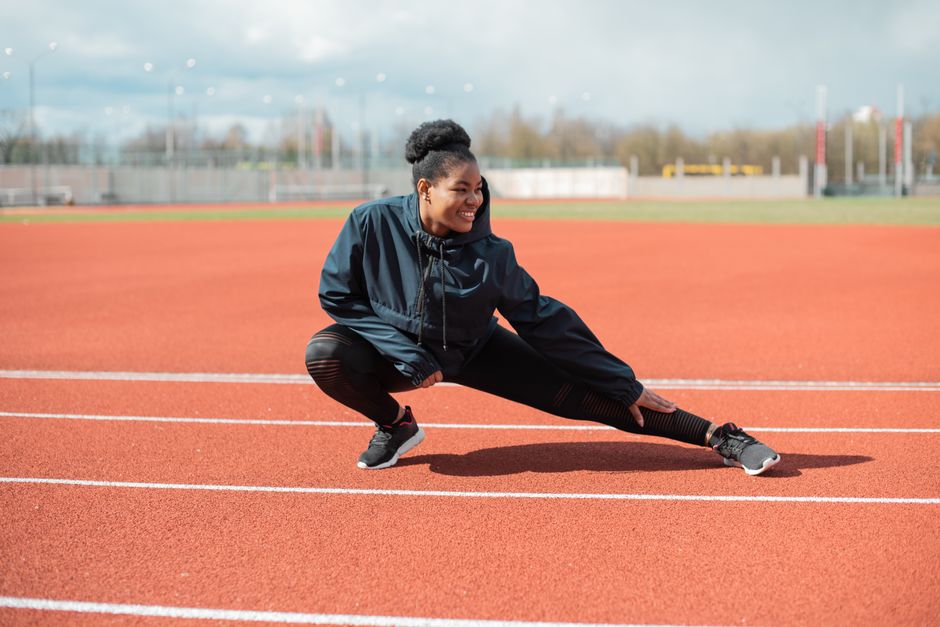
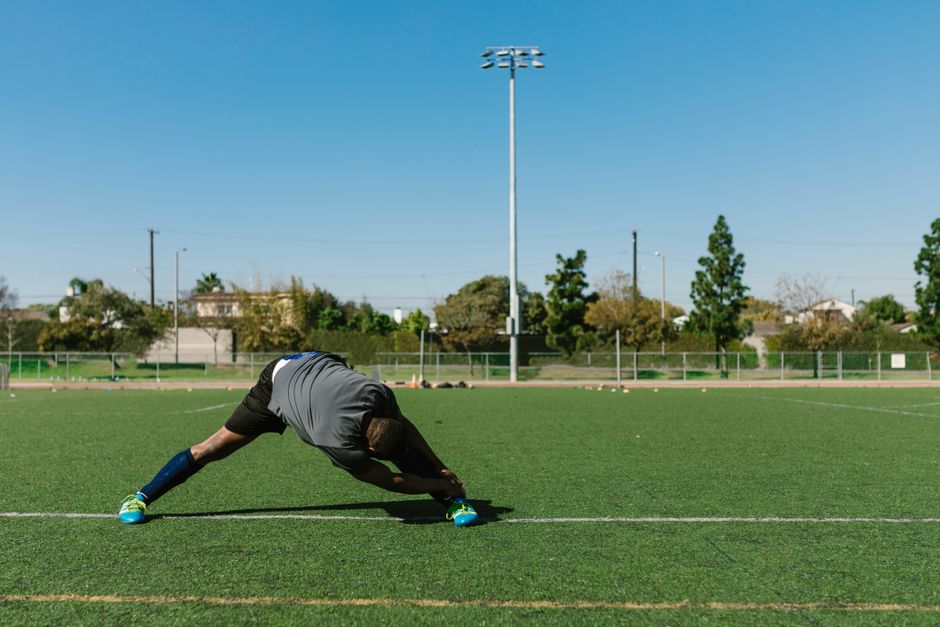
Stretching helps maintain flexibility and reduce muscle stiffness. Incorporating a stretching routine post-exercise can enhance recovery and prevent injuries.
- Focus on dynamic stretches before workouts and static stretches after.
- Pay attention to major muscle groups like the legs, back, and shoulders.
Yoga for Recovery
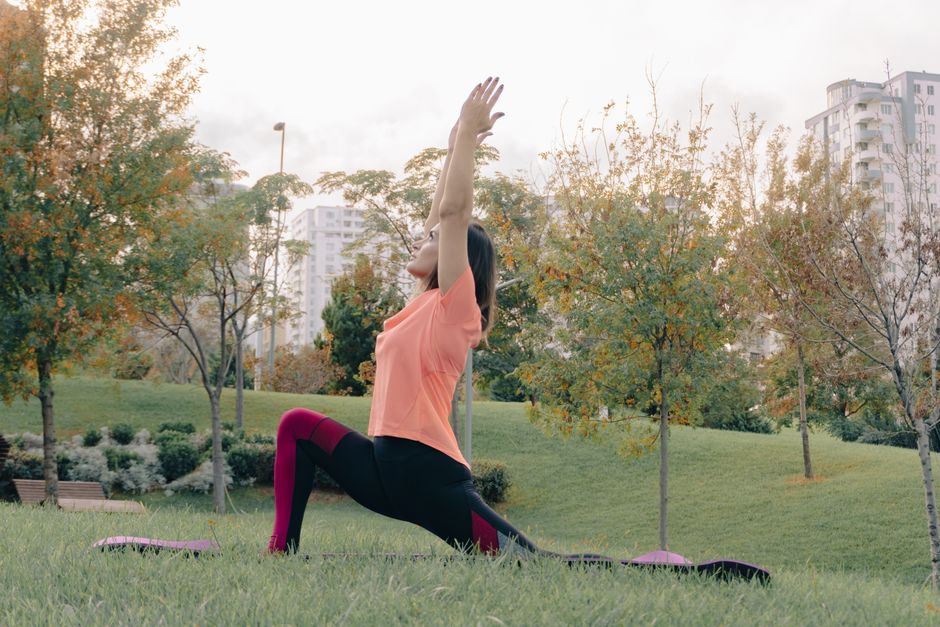
Yoga offers a holistic approach to recovery. It combines stretching, strength, and mindfulness, which can reduce stress and improve overall well-being.
"Yoga is not just exercise; it's a way to connect body and mind, promoting holistic recovery."
Final Thoughts
Muscle recovery is an integral part of any athlete's training regimen, particularly in Nigeria, where environmental factors can influence recovery. By prioritizing hydration, nutrition, rest, and incorporating activities like stretching and yoga, athletes can optimize their recovery process. Remember, the path to peak performance is not just about pushing harder, but also about recovering smarter. Embrace these strategies, and you'll find yourself stronger, faster, and more resilient on your athletic journey.