In the bustling streets of Lagos or the serene landscapes of Jos, the demands on our bodies are immense. Whether it’s through daily commuting, intense gym sessions, or traditional Nigerian dance, our muscles are constantly working. But how often do we really take the time to recover? Muscle recovery is a crucial aspect of any fitness routine, yet it’s often overlooked. Ensuring proper rest and recovery can significantly enhance performance, reduce the risk of injuries, and improve overall health. This guide will delve into practical strategies for muscle recovery, helping you achieve your fitness goals with ease.
Understanding how to support your body’s natural healing processes is key. From nutrition to sleep, each element plays a critical role in muscle recovery. By integrating these practices into your lifestyle, you can enjoy consistent progress and avoid the dreaded plateau. So, let’s explore the world of muscle recovery, tailored specifically for our Nigerian audience.
The Science of Muscle Recovery
What Happens During Muscle Recovery?
After intense physical activity, your muscles undergo microscopic damage. This is a natural process, essential for muscle growth and strength. During recovery, your body works to repair this damage, making muscles stronger and more resilient.
Key to this process is protein synthesis, where new muscle fibers are created. Additionally, recovery involves the replenishment of glycogen stores, which are depleted during exercise. Understanding these processes highlights the importance of adequate rest and nutrition.
The Role of Rest in Muscle Recovery
Rest is not just about sleep, though that is a critical component. It’s about allowing your muscles the time they need to heal and grow. Incorporating rest days into your fitness routine can prevent overtraining, which leads to fatigue and decreased performance.
"Without proper rest, you can’t achieve peak performance. Rest is as crucial as the workout itself." — Dr. Adewale, Nigerian Sports Scientist
Nutrition: Fueling the Recovery Process
The Power of Protein
Protein is the building block of muscles. After a workout, consuming protein-rich foods can significantly aid recovery. Foods like beans, chicken, and fish, staples in Nigerian cuisine, are excellent protein sources.
- Beans: High in protein and fiber, beans are perfect for replenishing nutrients.
- Chicken: Lean and versatile, chicken is ideal after workouts.
- Fish: Rich in omega-3 fatty acids, fish can reduce inflammation.
Hydration: The Often-Overlooked Element
Staying hydrated is crucial for muscle recovery. Water aids in nutrient transport and waste removal. In Nigeria’s hot climate, it’s essential to replenish fluids lost through sweat.
Consider incorporating coconut water, a natural electrolyte drink, into your diet to boost hydration levels.
Active Recovery: Movement for Healing
The Benefits of Light Exercise
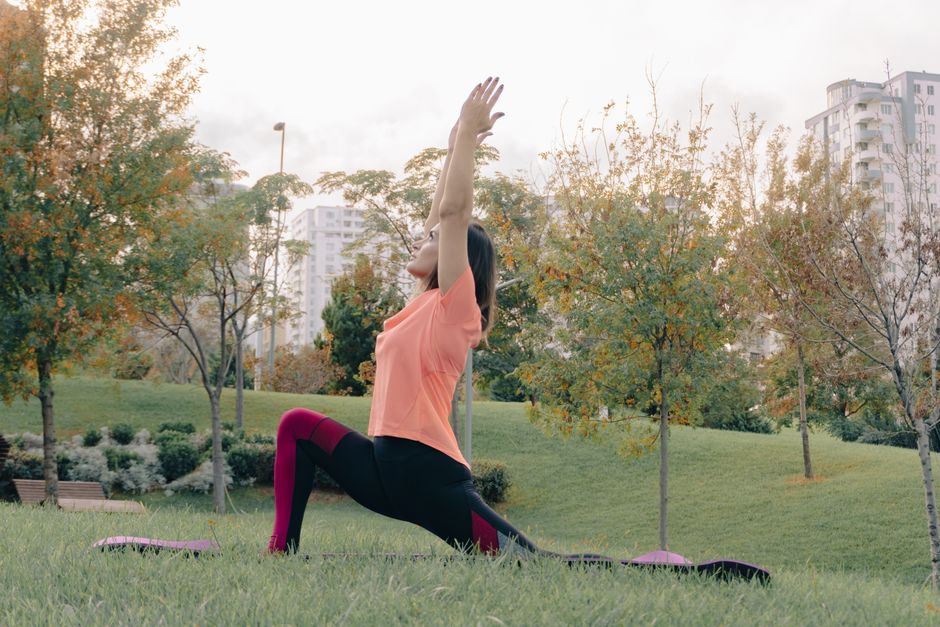
Active recovery involves low-intensity exercises that keep the blood flowing without straining the muscles. Activities like walking, swimming, or yoga can facilitate recovery by increasing circulation and reducing muscle stiffness.
For Nigerians, traditional dance can serve as a fun and effective form of active recovery.
Stretching: A Simple Yet Effective Tool
Stretching post-workout helps to elongate muscles and increase flexibility. It can alleviate tension and prevent injuries. Incorporate static stretching into your cool-down routine to enhance muscle recovery.
Sleep: The Ultimate Recovery Tool
Importance of Quality Sleep
Sleep is where the magic happens. During deep sleep, the body releases growth hormones that stimulate tissue growth and muscle repair. Ensuring a good night’s sleep is crucial for effective recovery.
In Nigeria, where noise can be a challenge in urban areas, consider using earplugs or white noise machines to improve sleep quality.
Creating a Sleep-Friendly Environment
A comfortable sleeping environment is vital. Keep your room cool, dark, and quiet. Establishing a bedtime routine can also help signal your body that it’s time to wind down.
- Limit screen time before bed
- Engage in relaxing activities like reading
- Consider herbal teas like chamomile for relaxation
Final Thoughts
Muscle recovery is not merely an afterthought; it’s an integral part of achieving your fitness aspirations. By understanding and implementing these recovery strategies, you can ensure your body is ready to take on new challenges, whether you're running through the streets of Abuja or engaging in traditional dance in Ibadan. Remember, every part of your fitness journey is a step towards a healthier you. Prioritize recovery as you would any workout, and your body will thank you.
With each day, as you integrate these recovery practices, you not only enhance your physical capabilities but also embrace a lifestyle that promotes long-lasting health and vitality. Here's to a stronger, healthier you!