Muscle recovery is a crucial aspect of fitness that is often overlooked. In Nigeria, where the hustle and bustle of daily life can be overwhelming, finding time to properly recover after physical activities might seem like a luxury. However, understanding the importance of muscle recovery can significantly impact your overall health and fitness journey. Let's explore practical steps to enhance muscle recovery, so you're always ready for the next challenge.
Imagine finishing a rigorous workout session, or perhaps a day of strenuous activity at work, only to find yourself suffering from aching muscles that refuse to relent. This is a common scenario for many Nigerians who juggle multiple responsibilities. Whether you're an athlete, a fitness enthusiast, or someone simply aiming for a healthier lifestyle, efficient muscle recovery techniques can help you maintain peak performance and avoid injuries.
Understanding Muscle Recovery
Before diving into recovery techniques, it's essential to understand what muscle recovery entails. When you engage in physical activities, your muscles undergo stress, leading to the breakdown of muscle fibers. This can result in soreness and fatigue. Recovery is the process through which your body repairs these fibers, leading to stronger and more resilient muscles.
The Science Behind Muscle Recovery
During muscle recovery, the body uses proteins to repair damaged fibers. This process, known as muscle protein synthesis, is critical for muscle growth and strength. Not giving your muscles adequate time to recover can lead to overtraining, which might cause injuries.
Key Factors Influencing Muscle Recovery
- Nutrition: Consuming a balanced diet rich in proteins, carbohydrates, and healthy fats supports faster recovery.
- Hydration: Staying hydrated helps in flushing out toxins and reducing muscle cramps.
- Sleep: Quality sleep is essential, as the body releases growth hormones that aid in muscle repair during sleep.
Effective Muscle Recovery Techniques
Active Recovery
Active recovery involves engaging in low-intensity exercises, such as walking or cycling, to enhance blood circulation. This helps in reducing lactic acid buildup in the muscles.
"Active recovery is a strategy that can significantly reduce muscle soreness and speed up the recovery process."
Proper Nutrition
A well-balanced diet plays a pivotal role in muscle recovery. Consider incorporating the following tips:
- Proteins: Include sources like beans, chicken, and fish to aid in muscle repair.
- Carbohydrates: They replenish glycogen stores. Opt for whole grains such as rice and maize.
- Fats: Healthy fats from nuts and avocados can aid in recovery.
Hydration Techniques
In the humid climate of Nigeria, staying hydrated is crucial. Drinking water and consuming fruits like watermelon can keep you hydrated, enhancing muscle recovery.
Rest and Sleep: The Pillars of Recovery
Importance of Rest
Rest days are as important as workout days. They allow your muscles to recuperate and prepare for future activities.
Optimizing Sleep for Recovery
Ensure you get at least 7-9 hours of quality sleep every night. This is when the body undergoes significant repair processes.
Preventing Overtraining and Injuries
Recognizing Overtraining Symptoms
Be aware of signs like persistent fatigue, increased injuries, and reduced performance. Incorporating rest days can alleviate these symptoms.
Utilizing Stretching and Yoga
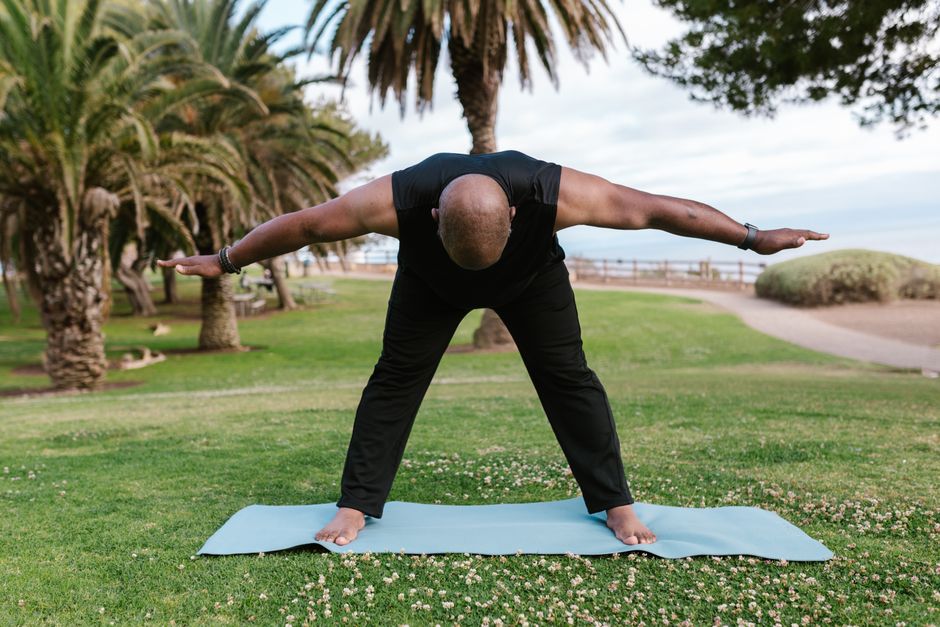
Stretching before and after exercises can improve flexibility and prevent injuries. Yoga can also enhance muscle recovery by promoting relaxation and stress reduction.
Conclusion
Muscle recovery is an integral part of maintaining a healthy and active lifestyle. By incorporating these techniques into your routine, you can ensure that your body is always ready to face new challenges, whether you're navigating the bustling streets of Lagos or enjoying a quiet weekend in the countryside. Remember, recovery is not just about resting; it's an active process that includes proper nutrition, hydration, and mindful practices. Embrace these strategies, and you'll find yourself feeling more energetic and less prone to injuries.