Muscle recovery is a critical component of overall fitness and health. Whether you are a weekend warrior or a seasoned athlete, understanding how to optimize muscle recovery can make a significant difference in your performance and well-being. In Nigeria, where physical activity ranges from intense urban workouts to rural farming activities, knowing how to recover efficiently is key. This guide will walk you through practical, scientifically-backed strategies for muscle recovery, ensuring you get back to your best self swiftly and effectively.
For many Nigerians, life is a blend of traditional practices and modern innovations. We juggle our daily routines with an active lifestyle, making muscle recovery all the more important. Whether you're lifting weights in Lagos or chasing after goats in a rural village, your muscles need time and care to recover from daily stresses. Let's dive into some techniques that can help speed up your muscle recovery process.
Understanding Muscle Recovery
What Happens During Muscle Recovery?
When you exercise, especially if you engage in strength training or any high-intensity workouts, your muscles experience microscopic tears. This is a natural process that, when managed correctly, leads to stronger and more resilient muscle fibers. During recovery, your body repairs these fibers, increasing muscle mass and strength.
Why Is Muscle Recovery Important?
Muscle recovery is crucial because it helps prevent injury, reduces fatigue, and improves performance. Without adequate recovery, your muscles remain stressed, leading to potential long-term damage and decreased workout efficiency.
"Recovery is not just rest; it's an essential phase in any fitness regimen that enhances your overall health."
Effective Muscle Recovery Techniques
1. Prioritize Rest and Sleep
Rest is the most important aspect of muscle recovery. During sleep, your body produces growth hormone, which aids in muscle repair. Aim for 7-9 hours of quality sleep each night.
- Maintain a regular sleep schedule.
- Create a restful sleeping environment, free from disturbances.
- Avoid caffeine and large meals before bedtime.
2. Nutrition and Hydration
Fueling your body with the right nutrients is essential for recovery. Protein is especially crucial as it provides the building blocks for muscle repair.
- Consume a balanced diet rich in lean proteins, fruits, and vegetables.
- Stay hydrated to help your body flush out toxins and transport nutrients.
- Consider post-workout snacks like a banana and peanut butter or a smoothie with yogurt and berries.
The Role of Active Recovery
Engaging in Light Physical Activity
Active recovery involves low-intensity exercise that enhances blood circulation, helping to remove waste products from muscles and reduce soreness.
- Take a leisurely walk around your neighborhood.
- Engage in light cycling or swimming.
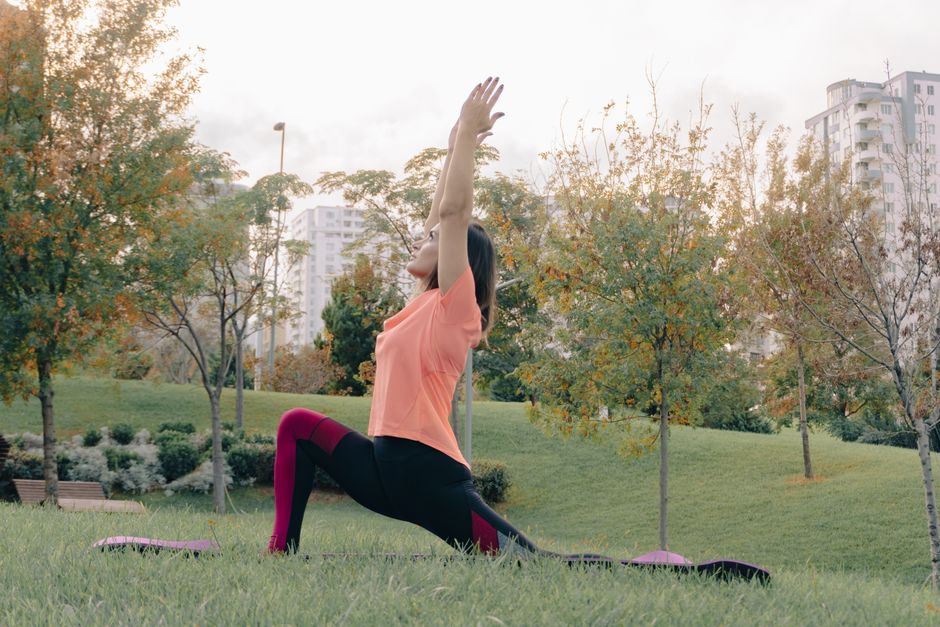
- Practice gentle yoga or stretching routines.
Foam Rolling and Massage
Self-myofascial release techniques like foam rolling can reduce muscle tightness and improve circulation. Regular massages can also aid in muscle recovery, making them a valuable part of your routine.
"Incorporate foam rolling into your cooldown routine to enhance recovery and flexibility."
Supplements and Their Impact
Are Supplements Necessary?
While a balanced diet should provide all necessary nutrients, certain supplements can enhance recovery. Consult with a healthcare professional before adding supplements to your regimen.
Common Recovery Supplements
- Protein Supplements: Useful for post-workout recovery.
- BCAAs: Branched-chain amino acids may reduce muscle soreness.
- Omega-3 Fatty Acids: Known for their anti-inflammatory properties.
Incorporating Traditional Nigerian Practices
The Power of Herbal Remedies
In Nigeria, traditional herbal remedies have been used for centuries to promote healing and recovery. Herbs like moringa and bitter leaf are known for their anti-inflammatory properties.
Importance of Community Support
Incorporate community activities into your recovery process. Whether it's joining a local fitness group or participating in traditional dance classes, community support can enhance motivation and recovery.
Conclusion
Muscle recovery is an integral part of maintaining a healthy and active lifestyle. By understanding and implementing effective recovery techniques tailored to your needs, you can enhance your fitness journey and overall well-being. Embrace a holistic approach that includes rest, nutrition, active recovery, and traditional practices to achieve optimal results. Remember, recovery is not just about resting; it's about building a stronger, more resilient you.