In our fast-paced world, especially here in Nigeria where the hustle never seems to stop, finding time for proper muscle recovery can seem like a luxury. But if you're serious about maintaining your health and fitness, understanding how to effectively recover your muscles is crucial. Whether you're hitting the gym in Lagos or engaging in traditional dance in Enugu, recovery plays a pivotal role in ensuring that your body is ready for the next challenge. Muscle recovery isn't just about resting; it’s about actively engaging in practices that promote healing and growth.
In this article, we'll dive deep into practical, actionable strategies for muscle recovery. We'll explore methods that are not only effective but also accessible to everyone, ensuring your body gets the care it deserves. So, grab a cup of zobo and let's explore the world of muscle recovery together.
The Importance of Muscle Recovery
Understanding Muscle Fatigue
Muscle fatigue is a common consequence of intense physical activity. Whether you're an athlete or someone who enjoys regular exercise, muscle fatigue can impact your performance and overall well-being. It's caused by the depletion of energy stores and the accumulation of lactic acid in the muscles.
Key takeaway: Recognizing the signs of muscle fatigue early can help you address issues before they lead to injury.
Benefits of Proper Recovery
Proper muscle recovery not only reduces the risk of injury but also enhances performance. By allowing your muscles to repair and strengthen, you'll notice improved endurance, flexibility, and strength.
- Reduces the risk of overuse injuries
- Improves performance in future workouts
- Enhances mental well-being
"Recovery is where the magic happens – it's the foundation of consistent progress in any fitness journey."
Effective Muscle Recovery Techniques
Active Recovery
Active recovery involves low-intensity exercises that promote blood flow and help reduce muscle stiffness. Activities such as walking, cycling, or swimming are excellent for maintaining movement without overstraining your muscles.
Consider taking a leisurely walk around your neighborhood or participating in community sports to keep your body active while allowing it to recover.
Stretching and Flexibility Exercises
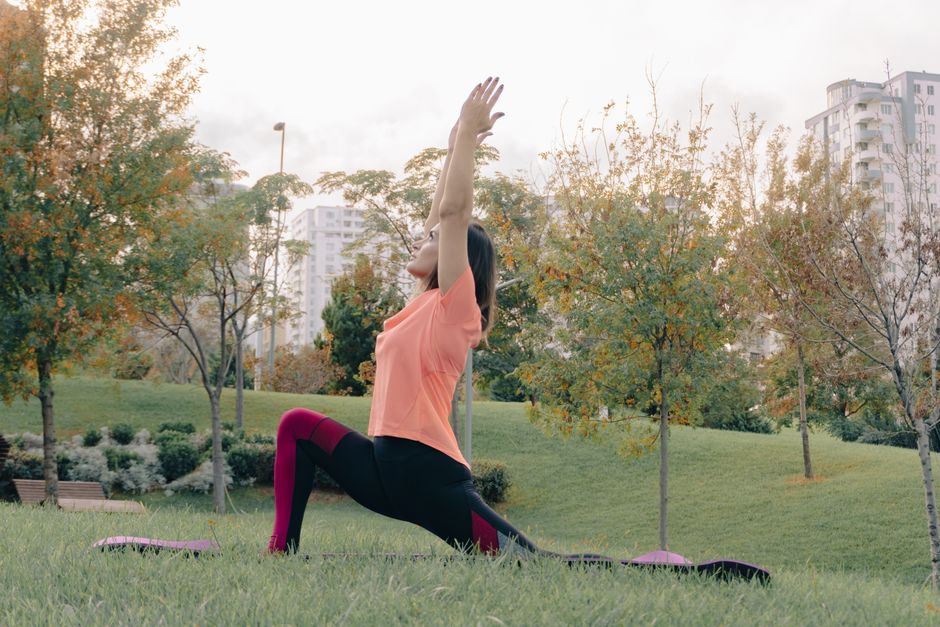
Incorporating stretching into your routine can significantly aid muscle recovery. Flexibility exercises such as yoga not only alleviate muscle tension but also improve overall range of motion.
- Perform dynamic stretches before workouts
- Incorporate static stretches post-exercise
- Attend local yoga classes for guided sessions
Nutritional Support for Recovery
Hydration
Staying hydrated is a basic yet vital aspect of muscle recovery. Water helps transport nutrients to your muscles and aids in flushing out toxins. Aim to drink at least 8 glasses of water daily, more if you're exercising intensely.
For a local twist, consider hydrating with coconut water which is widely available in Nigerian markets and is packed with electrolytes.
Protein and Carbohydrates
Protein is essential for muscle repair while carbohydrates replenish your energy stores. Include a balanced diet of lean meats, beans, and grains to support your recovery process.
- Consume protein-rich foods like beans and lean chicken
- Include complex carbohydrates such as yam or plantains
- Consider protein shakes for convenient post-workout nutrition
Tools and Technologies for Muscle Recovery
Foam Rollers and Massage Devices
Foam rollers are a fantastic tool for self-myofascial release, helping to reduce muscle tightness and improve blood circulation. Similarly, massage devices can provide deep tissue relief, perfect for targeting specific muscle groups.
Investing in a foam roller or handheld massage device can be a game-changer for your recovery routine.
Wearable Technology
Modern technology offers various wearables that monitor your physical activity, sleep patterns, and recovery status. Devices such as fitness trackers can provide insights to optimize your recovery strategies effectively.
"Technology and tradition can blend beautifully when it comes to optimizing recovery – embrace both."
Final Thoughts
Muscle recovery is an integral part of any fitness regimen, transcending the boundaries of occupation or lifestyle. By understanding and implementing effective recovery strategies, you're not just taking care of your muscles but investing in your long-term health and performance. Remember, recovery is personal; what works for one might not work for another. So, explore different methods, listen to your body, and find what suits you best.
Implement these recovery techniques and watch as your performance improves, and your risk of injury decreases. After all, in the words of a Nigerian proverb, "The patient dog eats the fattest bone." Your patience and dedication to recovery will yield rewarding results.