In the hustle and bustle of Nigerian life, where energy is often spent on daily challenges, there's a vital component that many overlook: muscle recovery. Whether you're hitting the gym, engaging in a local football match, or managing physical tasks, effective recovery is crucial for maintaining peak performance and overall well-being.
Muscle recovery isn't just about resting; it's about optimizing the body's natural healing processes to enhance physical performance and prevent injury. In a country as vibrant and dynamic as Nigeria, understanding the nuances of recovery can significantly impact your health journey.
Let's dive into the essentials of muscle recovery, explore practical tips tailored for Nigerians, and unlock the secrets to a sustainable and energetic lifestyle.
Understanding Muscle Recovery
What is Muscle Recovery?
Muscle recovery is the process through which muscles repair and strengthen after physical activity. When you exercise, tiny tears occur in your muscles. Recovery involves repairing these tears, leading to stronger muscles over time.
During recovery, the body works to remove metabolic waste, replenish energy stores, and reduce muscle soreness. This process is essential for improving performance and preventing injuries.
"Effective muscle recovery is key to maximizing physical potential and preventing burnout."
Why is Muscle Recovery Important?
Neglecting muscle recovery can lead to fatigue, reduced performance, and increased risk of injuries. For athletes and fitness enthusiasts in Nigeria, a recovery-focused approach ensures longevity and sustainability in their pursuits.
Furthermore, muscle recovery supports mental well-being, as a well-rested body is less prone to stress and anxiety.
Effective Muscle Recovery Strategies
Incorporate Active Recovery
Active recovery involves low-intensity exercises that promote blood flow and help the muscles recover without additional strain. Activities like walking, swimming, or yoga are ideal.
- Consider taking a leisurely stroll around your neighborhood or a gentle swim at the local pool.
- Join a yoga class that focuses on gentle movements to enhance flexibility and relaxation.
Prioritize Sleep
Sleep is arguably the most crucial aspect of muscle recovery. During sleep, the body undergoes various processes that repair tissues, release growth hormones, and consolidate memory.
- Aim for 7-9 hours of quality sleep each night to ensure optimal recovery.
- Create a sleep-friendly environment by keeping your bedroom cool and dark.
Nutrition for Recovery
Fueling your body with the right nutrients supports the recovery process. Focus on a balanced diet that includes proteins, carbohydrates, and healthy fats.
- Include protein-rich foods like beans, chicken, or fish in your meals to aid muscle repair.
- Consume carbohydrates like yams or rice to replenish glycogen stores.
- Don't forget healthy fats from sources like avocados and palm oil.
Hydration and Its Role in Recovery
Stay Hydrated
Hydration is crucial for muscle function and recovery. Water helps transport nutrients to cells, remove waste products, and regulate body temperature.
- Drink at least 8-10 glasses of water daily, more if you're active or in hot climates.
- Incorporate hydrating foods like cucumbers and watermelon into your diet.
Electrolyte Balance
Ensure you're replenishing electrolytes lost through sweat, especially in Nigeria's warm climate. Electrolytes like sodium, potassium, and magnesium are vital for muscle function.
- Consider adding a pinch of salt to your meals or drinking coconut water for natural electrolytes.
- Bananas and dark leafy greens are excellent sources of potassium.
The Role of Stretching and Flexibility
Incorporate Stretching
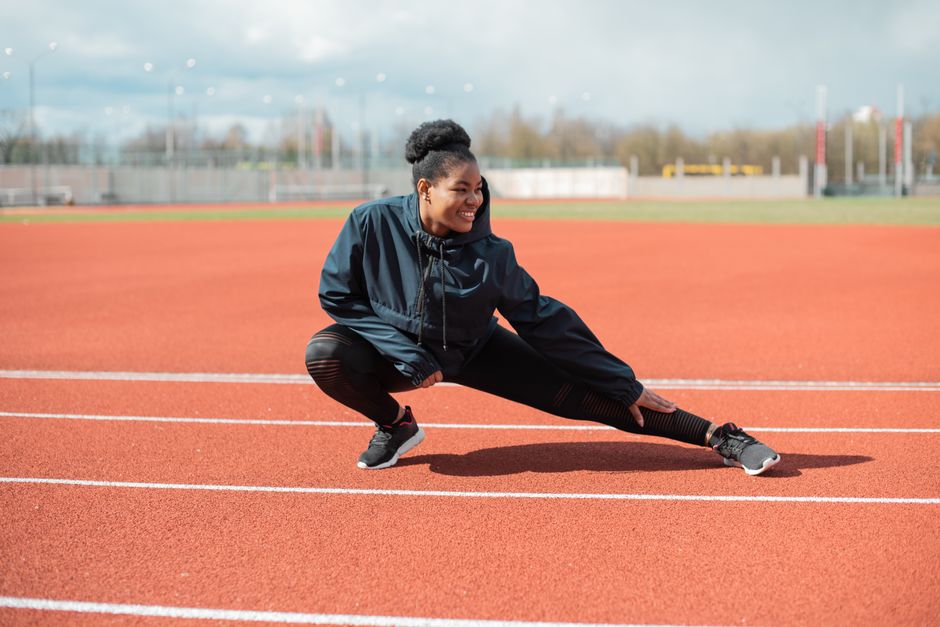
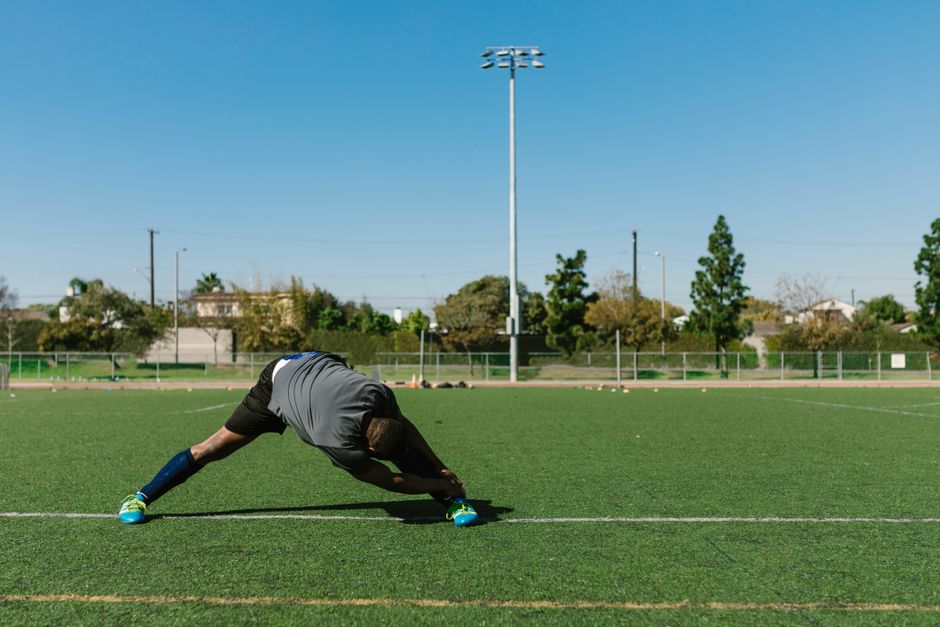
Stretching helps improve flexibility and reduces muscle tension. It also enhances blood flow, contributing to faster recovery.
- Start or end your day with a simple stretching routine.
- Focus on major muscle groups like legs, back, and arms.
Yoga for Recovery
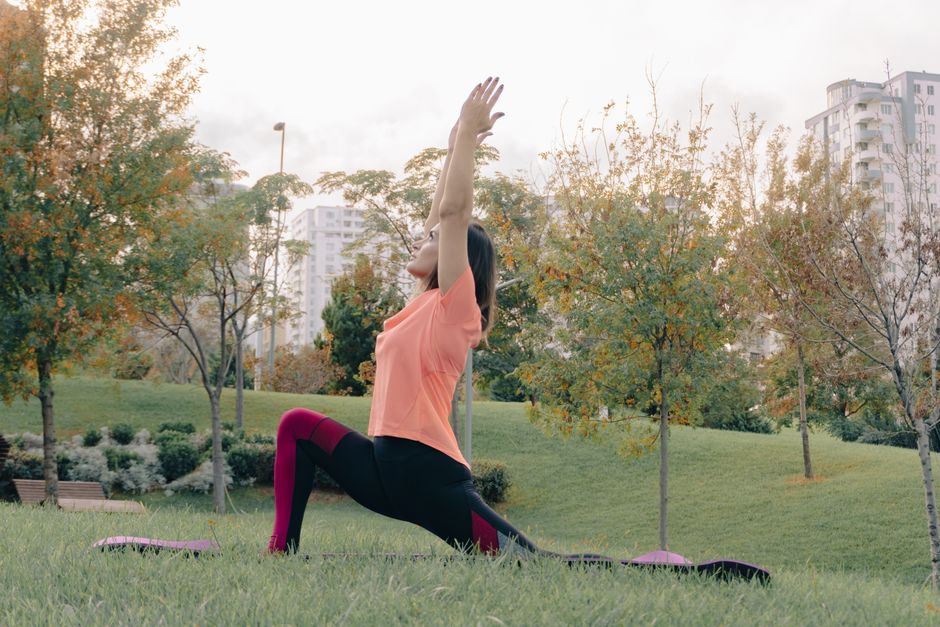
Yoga combines stretching with mindfulness, offering a holistic approach to recovery. It reduces stress and improves flexibility and balance.
- Join a local yoga class or follow online sessions that focus on recovery and relaxation.
- Practice poses like the child's pose, cat-cow, and downward dog to stretch and relax muscles.
Conclusion
Mastering muscle recovery isn't just about taking a break; it's about actively engaging in practices that support the body's natural healing mechanisms. For Nigerians who juggle busy schedules and various physical activities, understanding and implementing these recovery strategies can lead to improved performance, reduced risk of injury, and a healthier lifestyle.
By prioritizing recovery as much as you do your workouts, you ensure longevity in your fitness journey and overall well-being. So, next time you tackle your fitness goals, remember that recovery is just as crucial as the effort you put into your workouts.