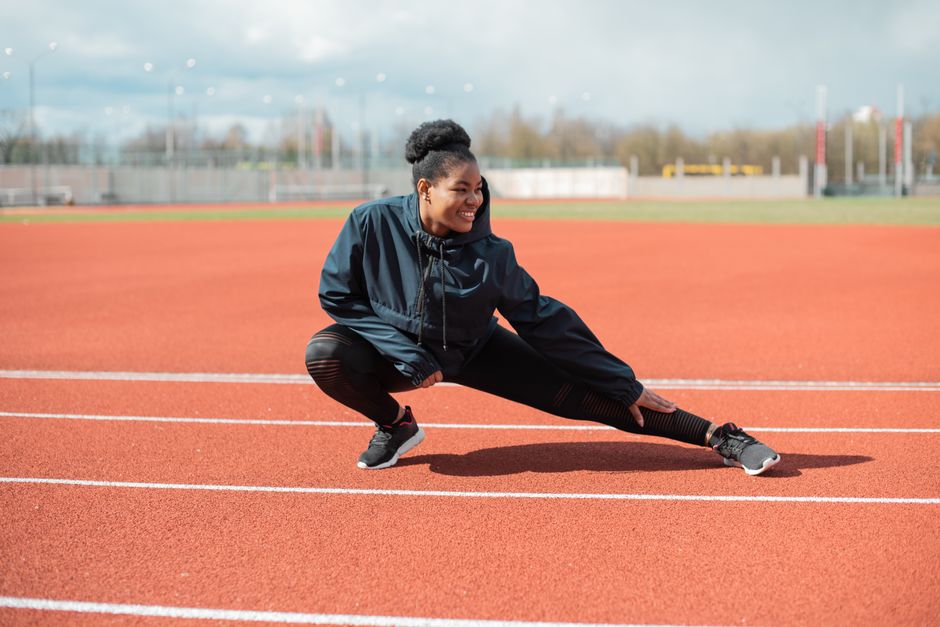
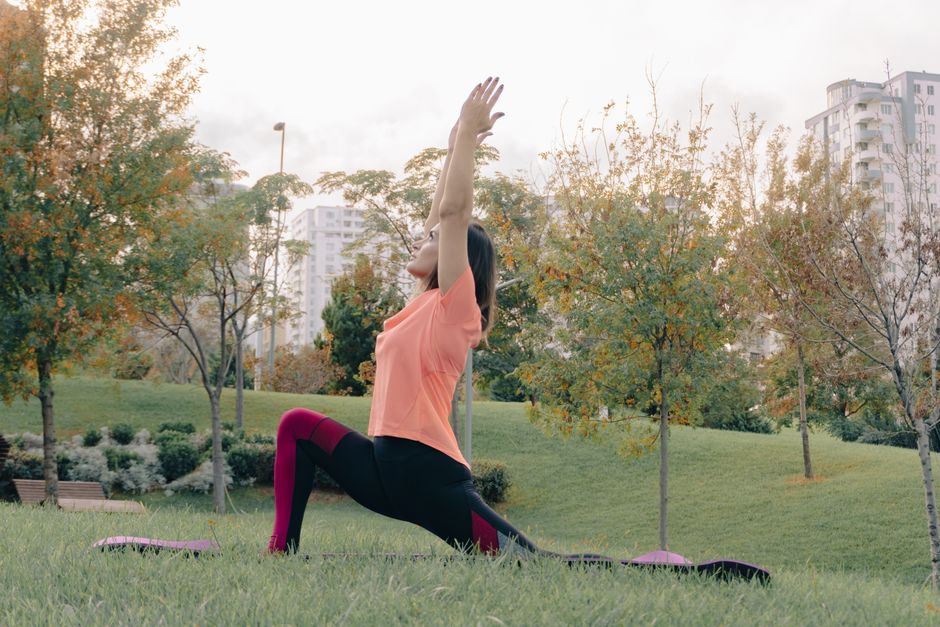
Our bodies are like well-orchestrated machines, and after a grueling workout or a long day, they crave recovery and restoration. In Nigeria, where bustling city life often accompanies physical exertion, understanding muscle recovery is crucial for maintaining overall health and performance. Today, we will delve into effective strategies that not only promote recovery but are also adaptable to our unique Nigerian environment.
Whether you are an athlete, a fitness enthusiast, or someone who simply wishes to recover from day-to-day physical activities, these insights will help you feel rejuvenated.
Ready to transform your rest periods into a powerful healing tool for your muscles? Let's dive in!
Understanding Muscle Recovery
What is Muscle Recovery?
Muscle recovery is the process by which your muscles repair and strengthen after physical activity. It involves replenishing energy stores, repairing muscle fibers, and removing waste products accumulated during exercise.
The recovery process is not just a phase; it's an opportunity for growth and improvement.
Why is Recovery Important?
Recovery is crucial because it prevents injuries, enhances performance, and ensures that the muscles are ready for subsequent workouts. Without proper recovery, you risk overtraining and injuring yourself, which can lead to prolonged downtime and lost progress.
Essential Muscle Recovery Strategies
Proper Nutrition
Nourishing your body with the right nutrients is a fundamental part of recovery. In Nigeria, where diverse cuisines offer a wealth of options, choosing the right diet can significantly impact recovery.
- Protein Intake: Protein is essential for muscle repair. Include sources like beans, fish, and chicken in your diet.
- Hydration: Staying hydrated helps transport nutrients to muscles and removes waste. Aim to drink water consistently throughout the day.
- Carbohydrates: They replenish glycogen stores. Casava, yam, and plantain are excellent Nigerian options.
Ensuring Adequate Sleep
Sleep is a critical aspect of muscle recovery. It is during sleep that the body undergoes major restorative processes.
- Quality Sleep: Aim for 7-9 hours of uninterrupted sleep each night. Create a calming bedtime routine to improve sleep quality.
- Consistent Schedule: Try to sleep and wake up at the same time daily to regulate your body's internal clock.
Incorporating Rest Days
Rest days are vital to prevent overworking your muscles. They allow your body to heal and adapt to the stresses of exercise.
- Active Rest: Opt for light activities like walking or yoga on rest days to promote blood flow without straining your muscles.
- Listen to Your Body: If you're feeling particularly fatigued, it might be a sign to take an extra rest day.
The Role of Physical Therapies
Massage Therapy
Massage can enhance recovery by improving circulation and reducing muscle tension. Nigerian cities are home to many skilled therapists who offer a range of services to suit different needs.
Regular massages can be the perfect antidote to muscle soreness and stiffness.
Cryotherapy and Heat Therapy
Cryotherapy involves cold treatments, while heat therapy uses warmth to soothe muscles. Both can be effective, depending on the type of muscle soreness or injury.
- Ice Packs: Use them post-exercise to reduce inflammation.
- Warm Baths: A warm soak can relax tight muscles and improve circulation.
Mind-Body Connection
Meditation and Mindfulness
Stress can impede muscle recovery, making mindfulness practices a beneficial addition. Meditation helps manage stress levels, enhancing your overall recovery process.
Yoga for Recovery
Incorporating yoga into your routine can increase flexibility and circulation, both crucial for effective muscle recovery. Many local yoga classes in Nigeria cater to different skill levels, making it accessible to all.
- Flexibility: Yoga poses help stretch and elongate muscles.
- Breathing Techniques: These can help relax the mind and body, promoting recovery.
Final Thoughts
Embracing these muscle recovery strategies ensures that you not only recover efficiently but also maintain a high level of muscle performance. By integrating proper nutrition, adequate sleep, rest days, physical therapies, and mindfulness into your lifestyle, you can achieve optimal recovery. Whether in the vibrant streets of Lagos or the serene landscapes of Jos, these practices can be seamlessly adapted to your daily routine.
Remember, your body deserves the best care possible. By prioritizing recovery, you're not only investing in your physical well-being but also enhancing your quality of life.