In the bustling life of Nigeria, where energy and productivity are key to thriving, taking care of your body is crucial. Whether you're an athlete training for the next marathon in Lagos or a busy professional navigating the vibrant Lagos traffic, optimizing muscle recovery can significantly improve your health and performance. Muscle recovery isn't just for athletes; it's a critical component of overall health that affects how we function daily.
Understanding the nuances of muscle recovery can transform how you approach fitness and rest. It's not just about feeling less sore after the gym; it's about enhancing your body's natural healing processes to ensure you're always at your best. Let's dive into the world of muscle recovery, exploring practical tips and proven techniques tailored to the Nigerian lifestyle.
Understanding Muscle Recovery
Before diving into the techniques, it's essential to understand what muscle recovery is and why it matters. When you exercise, your muscle fibers experience tiny tears. This might sound alarming, but it's a natural part of strength-building. As these fibers repair, they become stronger and more resilient.
The Science Behind Muscle Recovery
Muscle recovery involves several biological processes that repair muscle tissue, replenish energy stores, and remove waste products like lactic acid. This process is critical for muscle growth and maintaining overall health.
"Recovery is the bridge between effort and success. Proper recovery ensures not just performance enhancement but also longevity in physical health." - Dr. Adewale, Sports Physician
Factors such as nutrition, hydration, and rest play pivotal roles in this process, making it essential to incorporate them into your daily routine.
Importance of Rest
Rest is an integral part of muscle recovery. It is during rest that your body repairs muscle fibers and restores energy. Skipping rest can lead to overtraining, which increases the risk of injuries and burnout.
- Active Rest: Engage in low-intensity activities like walking or yoga to promote circulation.
- Sleep: Aim for at least 7-9 hours of sleep to allow your body to fully recover.
Nutritional Strategies for Muscle Recovery
Nutrition plays an indispensable role in muscle recovery. Consuming the right nutrients can accelerate the recovery process, reduce soreness, and improve muscle performance.
Protein Intake
Protein is crucial for repairing and building muscle tissue. Incorporate high-quality protein sources like beans, fish, and eggs into your meals.
Including protein-rich Nigerian dishes such as Egusi soup can help meet your daily protein requirements.
Carbohydrates and Hydration
Carbs replenish glycogen stores, providing energy for recovery. Fufu and Jollof rice are excellent carbohydrate sources.
Staying hydrated is equally important. Water aids in nutrient transport and waste removal. Aim to drink at least 8-10 glasses of water daily, especially in the hot Nigerian climate.
Effective Techniques for Muscle Recovery
Muscle recovery techniques help alleviate soreness and enhance the recovery process. Incorporating these methods into your routine can make a significant difference.
Massage and Foam Rolling
Massages increase blood flow and alleviate muscle tension. If professional massages aren't accessible, self-massage using a foam roller is a great alternative.
"Regular massages can improve circulation and reduce muscle tightness, enhancing recovery." - Chinyere, Licensed Massage Therapist
Cold and Heat Therapy
Cold therapy, such as ice baths, reduces inflammation and soreness. Heat therapy can be used later to relax muscles and improve flexibility. Alternating between the two can maximize benefits.
The Role of Supplements
While real food should be the foundation of your recovery plan, supplements can provide additional support. Nonetheless, they should be used judiciously and with professional guidance.
Common Recovery Supplements
- Protein Powders: Convenient way to meet protein needs, particularly post-workout.
- Branched-Chain Amino Acids (BCAAs): Help reduce muscle breakdown during exercise.
- Omega-3 Fatty Acids: Reduces inflammation, supporting recovery.
Consult with a healthcare provider before starting any new supplement to ensure it aligns with your nutritional needs.
Incorporating Stretching and Yoga
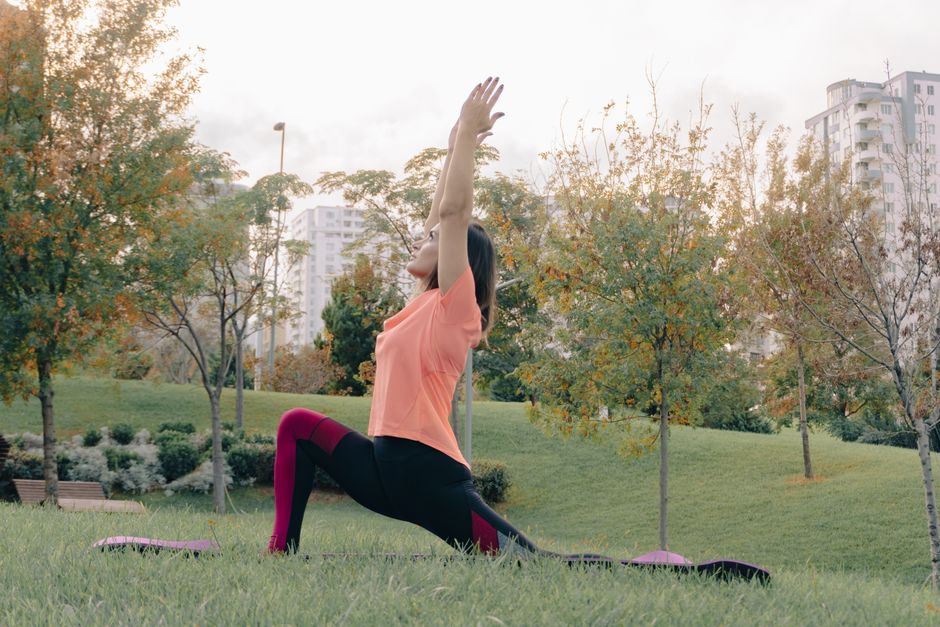
Stretching and yoga are excellent for enhancing flexibility, reducing tension, and promoting relaxation. These practices can be done anywhere, making them convenient for any schedule.
Benefits of Stretching
Stretching increases blood flow, improves flexibility, and reduces the risk of injuries.
- Dynamic Stretching: Ideal for warming up; involves active movements that stretch the muscles.
- Static Stretching: Best post-workout; involves holding a stretch to improve flexibility.
Yoga Practices
Yoga combines stretching with mindfulness, which can enhance both physical and mental recovery.
Regular yoga practice can help reduce stress, improve concentration, and enhance muscle recovery, making it a valuable addition to your routine.
Conclusion
Muscle recovery is more than just a post-workout ritual; it's a lifestyle choice that can enhance your health, performance, and quality of life. By incorporating these practical tips and techniques tailored for the Nigerian lifestyle, you can embrace a healthier, more energized version of yourself.
Remember, recovery is a personal journey, and what works for one person might not work for another. Listen to your body, experiment with different methods, and find a recovery routine that suits your needs. Your body will thank you for it.