Ever felt like your muscles just won't cooperate the day after a workout? You're not alone. Many people in Nigeria, from Lagos to Kaduna, experience muscle soreness and fatigue post-exercise. The solution? Mastering the art of muscle recovery. Understanding how to effectively recover can not only improve your athletic performance but also enhance your daily life. Whether you're a weekend footballer or someone who hits the gym regularly, knowing how to recover properly is crucial.
Muscle recovery isn't just about resting. It involves a holistic approach, considering nutrition, hydration, and even mental well-being. With these tips tailored for Nigerians, you'll be on your way to faster and more efficient recovery, allowing you to tackle your goals with renewed energy.
The Importance of Muscle Recovery
Muscle recovery plays a critical role in any fitness regimen. It's the period during which the body repairs itself, making muscles stronger and more resilient. Without adequate recovery, you risk injury, fatigue, and burnout.
Preventing Injury
One of the primary benefits of proper muscle recovery is injury prevention. When muscles are overworked without time to heal, it leads to strains and tears.
- Listen to your body: If you're feeling unusual pain, it might be time to rest.
- Incorporate rest days: Ensure at least one day in your weekly routine is dedicated to rest.
- Use the R.I.C.E method: Rest, Ice, Compression, and Elevation can help manage acute injuries.
Enhancing Performance
Effective recovery is instrumental in boosting performance. It allows your body to adapt to the stress of exercise, improving both strength and endurance.
- Stay hydrated: Water aids in nutrient transport and muscle function.
- Fuel with proper nutrition: Balance your diet with carbohydrates, proteins, and fats.
- Optimize sleep: A good night's sleep is essential for muscle repair and growth.
"Recovery isn't just the absence of exercise; it's a vital component of training," says fitness expert Nkechi Okechukwu.
Nutritional Strategies for Muscle Recovery
Nourishing your body with the right nutrients is crucial for effective recovery. Foods rich in protein and carbohydrates aid in muscle repair and replenish glycogen stores.
Protein Power
Proteins are the building blocks of muscles. Consuming them post-workout can speed up recovery.
- Include lean meats like chicken and fish in your diet.
- Try plant-based proteins like beans and lentils for a nutritious alternative.
- Consider protein supplements if you're unable to meet your needs through food alone.
Carbohydrates for Energy
Carbs replenish glycogen stores depleted during exercise. They're essential for energy restoration.
- Opt for complex carbohydrates like brown rice and yam.
- Include fruits such as bananas and oranges in your diet.
- Ensure a balanced intake post-workout for optimal recovery.
Stretching and Flexibility
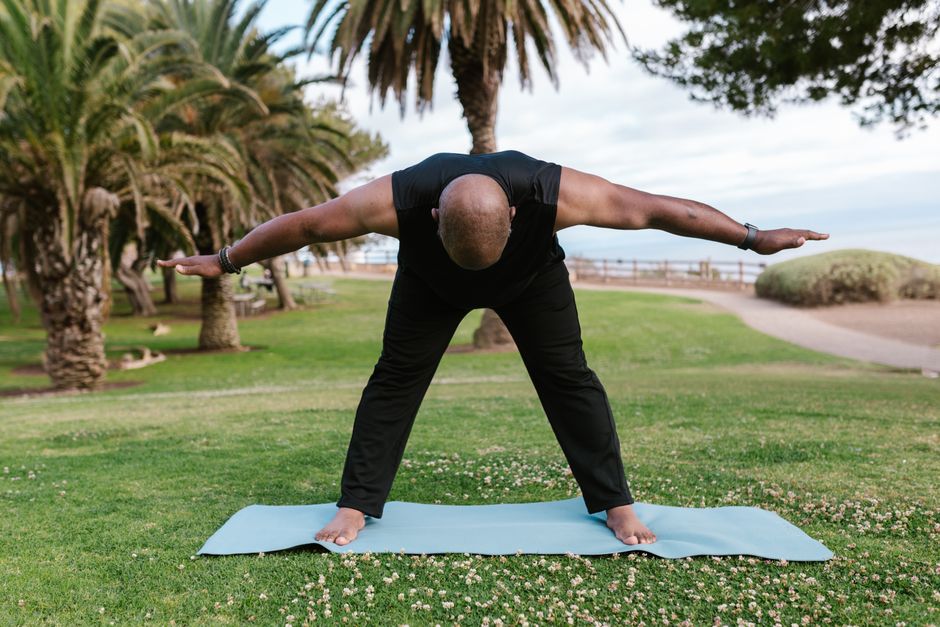
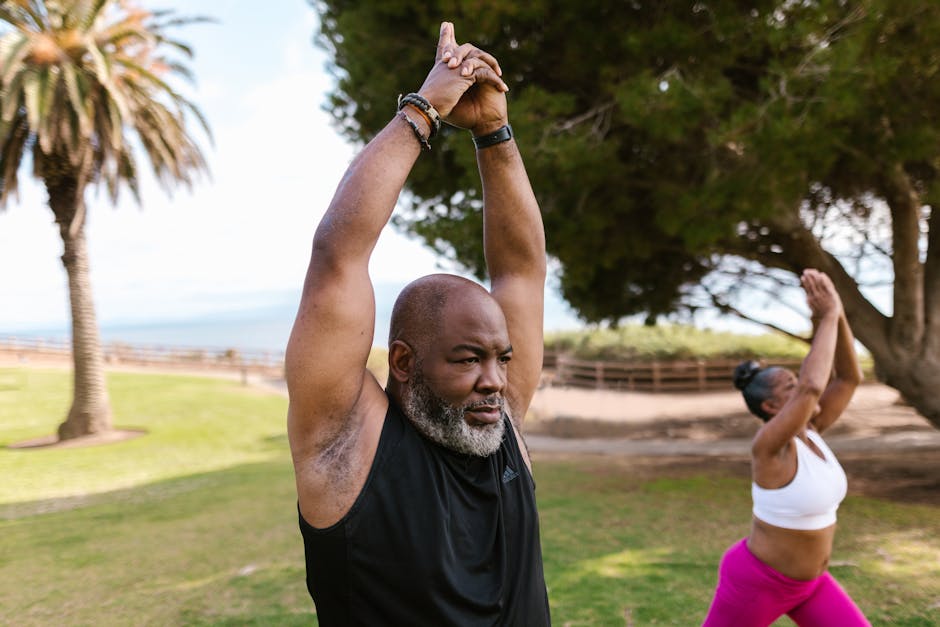
Incorporating stretching into your routine can significantly aid muscle recovery. It improves flexibility, reduces tension, and enhances circulation.
Dynamic Stretching
Dynamic stretching before workouts prepares muscles for activity, reducing the risk of injury.
- Perform leg swings and arm circles to warm up.
- Include lunges and squats to activate large muscle groups.
- Keep movements controlled to avoid overstretching.
Static Stretching
Static stretching post-exercise helps in muscle cooldown and relaxation.
- Hold stretches for 20-30 seconds to improve flexibility.
- Focus on major muscle groups worked during your session.
- Incorporate yoga poses like the downward dog for a full-body stretch.
Traditional Nigerian Practices in Recovery
Embracing traditional methods can enhance modern recovery practices. Nigerian culture is rich in practices that promote well-being.
Herbal Remedies
Herbs like ginger and turmeric have anti-inflammatory properties that can aid recovery.
- Use ginger tea to soothe muscles and reduce pain.
- Incorporate turmeric in meals for its healing benefits.
Massage Techniques
Massage therapy is a common healing practice in Nigerian culture, known to relieve tension and promote relaxation.
- Seek professional massage services for targeted relief.
- Self-massage using oils can also help alleviate muscle soreness.
Final Thoughts
Muscle recovery is a multifaceted aspect of fitness that requires attention and dedication. By integrating these strategies, not only will you enhance your recovery, but you'll also improve your overall performance and well-being. Remember, taking the time to properly recover is as important as the workouts themselves. With the guidance provided, Nigerian readers can embark on a personalized recovery journey, combining both modern techniques and traditional wisdom. Your body will thank you for it!