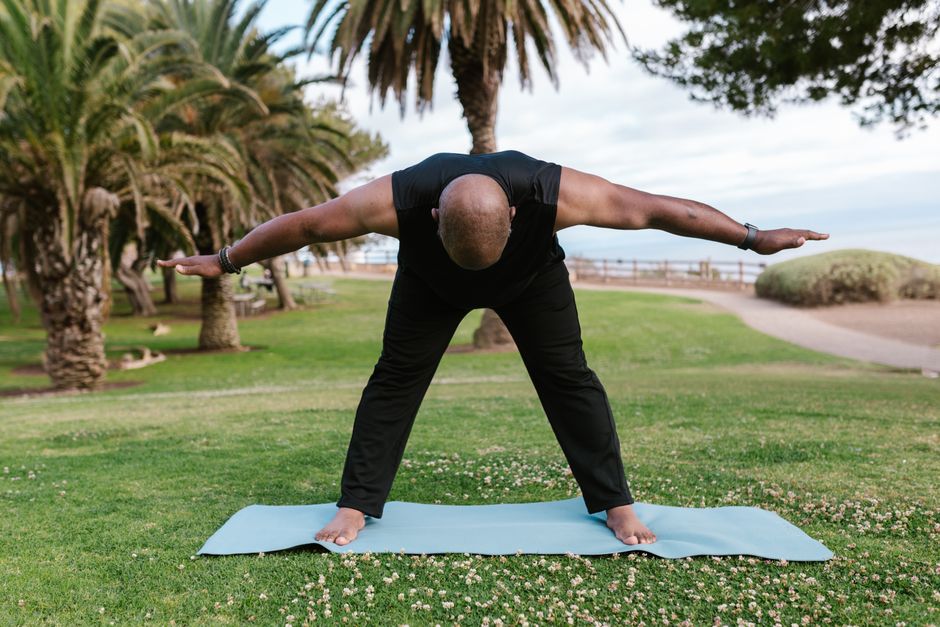
After a long day of hustle and bustle, especially in the vibrant city life of Nigeria, our bodies often crave rest and recovery. Whether you're an athlete, a fitness enthusiast, or just someone who enjoys an evening walk through the lively streets of Lagos, muscle recovery is crucial. It’s the key to preventing injuries and ensuring that you are ready for the next day’s activities. But the big question is, how can you enhance this recovery process effectively? Enter the world of stretching – a simple yet powerful tool that not only aids in muscle recovery but also enhances flexibility and overall well-being.
Stretching is often overlooked, yet it holds the power to transform your recovery routine. By incorporating effective stretching techniques, you can unlock a plethora of benefits that your muscles will thank you for. So, grab your mat and let’s dive into the art of stretching for muscle recovery.
Understanding Muscle Recovery
Before we delve into stretching techniques, it's essential to understand what muscle recovery entails. Muscle recovery is the process your body undergoes after physical exertion, where it repairs and rebuilds tissues that have been stressed or damaged during exercise or daily activities.
Why is Muscle Recovery Important?
Muscle recovery is vital for several reasons:
- Prevents Injuries: Proper recovery helps in preventing injuries that may arise from overworked muscles.
- Enhances Performance: Well-recovered muscles perform better, allowing you to push your limits safely.
- Improves Muscle Growth: During recovery, muscles rebuild stronger and larger, aiding in muscle growth.
The Role of Nutrients and Rest
Nutrients and rest play a critical role in muscle recovery. Consuming a balanced diet rich in protein, carbohydrates, and healthy fats provides the necessary building blocks for muscle repair. Coupled with adequate rest, your body gets the time it needs to heal and strengthen itself.
The Benefits of Stretching
Stretching is more than just a warm-up or cool-down exercise; it’s a vital component of muscle recovery. Here’s why:
Increases Blood Flow to Muscles
Stretching increases blood circulation, ensuring that your muscles receive an adequate supply of oxygen and nutrients. This boost in circulation aids in faster recovery and reduces muscle soreness.
Improves Flexibility and Range of Motion
Regular stretching helps in improving your flexibility and range of motion. This not only makes daily activities easier but also reduces the risk of injuries.
"Flexibility is key to maintaining an active lifestyle without injuries."
Reduces Muscle Tension and Stress
Muscle tension and stress can build up during workouts or a long day at work. Stretching helps in releasing this tension, leading to relaxed and recovered muscles.
Effective Stretching Techniques
Now that we understand the benefits, let’s explore some effective stretching techniques that you can incorporate into your routine.
Static Stretching
This involves holding a stretch for a prolonged period, usually 15-60 seconds. It’s effective post-exercise, allowing muscles to lengthen and relax.
- Examples: Hamstring stretches, calf stretches, and shoulder stretches.
Dynamic Stretching
Dynamic stretching involves controlled movements that improve range of motion and prepare the muscles for activity. It’s ideal before exercising.
- Examples: Leg swings, arm circles, and walking lunges.
PNF Stretching
Proprioceptive Neuromuscular Facilitation (PNF) stretching involves stretching and contracting muscles. It’s considered one of the most effective forms for increasing flexibility.
- Example: Partner-assisted leg hold stretch.
Incorporating Yoga
Yoga is a fantastic way to incorporate stretching into your routine. With poses targeting various muscle groups, yoga not only improves flexibility but also enhances mental well-being.
"Yoga is a journey of the self, through the self, to the self." - The Bhagavad Gita
Creating a Stretching Routine
Creating a stretching routine doesn’t have to be complicated. Here’s how you can start:
Identify Your Needs
Understand which areas need the most attention. If you notice tightness in specific muscles, focus on stretches that target those areas.
Set a Schedule
Consistency is key. Set aside time each day, whether it’s in the morning or before bed, to commit to your stretching routine.
Listen to Your Body
Pay attention to what your body is telling you. Stretch to the point of mild discomfort but not pain.
Overcoming Common Misconceptions
There are several misconceptions about stretching that can hinder its effectiveness. Let’s debunk a few:
Stretching Only After Workouts
While post-workout stretching is crucial, incorporating stretches throughout the day can also be beneficial.
More Stretching Equals More Flexibility
Quality over quantity! It’s about how you stretch, not how long or how often.
"Effective stretching is about technique and consistency, not just effort."
Stretching Prevents All Injuries
While stretching reduces injury risk, it should be combined with other recovery practices like proper nutrition and rest.
Conclusion
Stretching is a simple yet powerful practice that can significantly enhance muscle recovery and overall well-being. By incorporating various techniques and creating a consistent routine, you can enjoy the benefits of improved flexibility, reduced muscle tension, and faster recovery. Whether you're navigating the bustling streets of Abuja or the peaceful countryside of Nigeria, let stretching be your companion in your journey towards a healthier, happier life.