Muscle recovery is an essential part of any fitness or activity regimen, especially in Nigeria where sports and physical activity play a significant role in daily life. Whether you're a fitness enthusiast in Lagos or a football player in Kano, understanding how to effectively recover your muscles can be the key to achieving optimal performance and preventing injury.
Effective muscle recovery techniques don't just enhance your performance but also keep you motivated and free from injuries. With the right strategies, you can transform your post-workout fatigue into a source of renewed energy and strength. In this article, we'll explore the best practices for muscle recovery that you can easily incorporate into your routine.
Understanding Muscle Recovery
Before diving into specific techniques, it's important to understand what muscle recovery is and why it matters. When you exercise, your muscles undergo stress, causing tiny tears in the muscle fibers. This may sound harmful, but it's actually a part of the muscle-building process.
The Importance of Rest
Rest is an integral component of muscle recovery. During rest, the body repairs damaged muscle fibers, leading to increased strength and endurance over time. Skipping rest can lead to overtraining, causing more harm than good.
- Prioritize sleep: Aim for 7-9 hours of quality sleep per night to facilitate effective recovery.
- Include rest days: Plan at least one to two rest days in your weekly workout regimen.
Nutrition for Recovery
Fueling your body with the right nutrients is crucial for muscle repair and growth. In Nigeria, we have access to a variety of nutritious foods that can aid in muscle recovery.
- Protein: Essential for repairing muscle fibers. Incorporate foods like beans, chicken, and fish.
- Carbohydrates: Help replenish glycogen stores. Think rice, yam, and plantain.
- Hydration: Drink enough water to stay hydrated, especially after intense workouts.
Active Recovery Techniques
Active recovery involves engaging in low-intensity exercises that promote blood flow and help reduce muscle soreness without putting too much strain on the body.
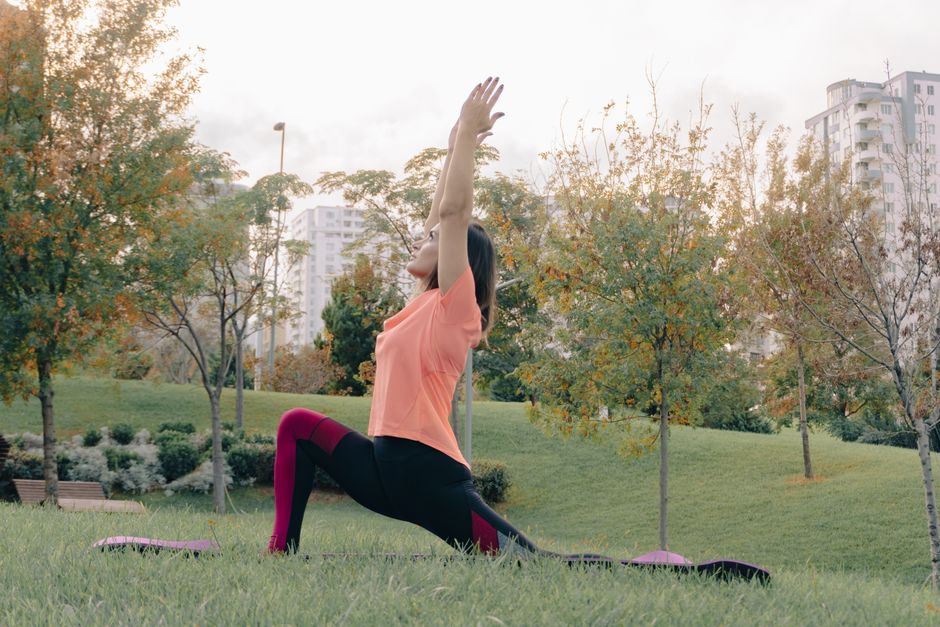
Yoga and Stretching
Yoga and stretching are excellent for enhancing flexibility, reducing muscle tension, and promoting relaxation.
- Try a gentle yoga routine with poses like the Downward Dog and Child's Pose.
- Incorporate dynamic stretches before workouts and static stretches after.
Foam Rolling
Foam rolling is a form of self-myofascial release that helps ease muscle tightness and improve recovery.
- Use a foam roller to target major muscle groups such as calves, quadriceps, and back.
- Spend 1-2 minutes on each muscle group, rolling slowly and gently.
"Effective muscle recovery is not only about resting but actively taking steps to enhance repair and growth."
Cold and Heat Therapy
Applying cold and heat to muscles can be an effective way to aid recovery. Cold therapy reduces inflammation, while heat therapy increases blood flow.
Cold Therapy
Cold therapy, such as ice baths or cold compresses, can be used immediately after a workout to reduce swelling and numb soreness.
- Take an ice bath or apply ice packs to sore areas for 10-15 minutes.
- Use cold therapy sparingly to avoid overuse.
Heat Therapy
Heat therapy is beneficial for relaxing muscles and increasing flexibility, particularly useful a day or two after exercising.
- Apply a warm towel or heating pad to tense areas for 15-20 minutes.
- Consider using a hot bath infused with Epsom salts.
Monitoring Progress and Adjusting Strategies
Effective muscle recovery isn't a one-size-fits-all solution. It's essential to monitor your body's response to different techniques and adjust accordingly.
Listen to Your Body
Pay attention to signs of overtraining or inadequate recovery, such as persistent soreness, fatigue, or decreased performance.
- Track your workouts and recovery using a journal or fitness app.
- Make adjustments to your routine if necessary, prioritizing your well-being.
Consult with Professionals
If you're unsure about your recovery strategies, consulting with a fitness professional or physiotherapist can provide personalized guidance.
- Seek advice from a certified personal trainer or sports therapist.
- Consider a tailored recovery plan to meet your specific needs.
Conclusion
Muscle recovery is a critical yet often overlooked component of a successful fitness regimen. By understanding and implementing effective recovery techniques, you can enhance your performance, prevent injuries, and maintain motivation. From proper rest and nutrition to active recovery exercises and therapy, each step plays a vital role in your journey towards better health and fitness.
Remember, recovery isn't just about what you do after the workout - it's an ongoing process that supports your body's ability to grow stronger and more resilient. So next time you hit the gym or the track, don't forget to give your muscles the care they deserve.