After a long day of physical exertion, whether from a demanding workout or a busy day hustling in the bustling streets of Lagos, our muscles need ample recovery to perform optimally. Muscle recovery is often overlooked, yet it is a critical component of maintaining overall health and enhancing athletic performance. In Nigeria, with its vibrant culture and spirited people, understanding effective recovery strategies can be the key to sustained energy and vitality.
Many Nigerians engage in various forms of physical activity, from traditional dance to soccer, and ensuring muscle recovery is essential for continued participation in these activities. In this article, we'll dive deep into practical, science-backed muscle recovery techniques tailored for the Nigerian lifestyle. So, whether you're an athlete, a fitness enthusiast, or just someone looking to feel better in your day-to-day life, keep reading to discover how to maximize your muscle recovery.
Understanding Muscle Recovery
Muscle recovery is the process through which the body repairs and strengthens muscle tissue after physical activity. It is during recovery that muscles grow stronger and more resilient. Proper recovery involves various physiological processes that repair damaged fibers, remove metabolic waste, and replenish energy stores.
Why Muscle Recovery is Important
Effective muscle recovery is crucial for several reasons:
- Prevents Injury: Adequate recovery helps prevent overuse injuries such as strains and sprains.
- Enhances Performance: Well-recovered muscles perform better and more efficiently.
- Reduces Muscle Soreness: Proper recovery techniques can minimize delayed onset muscle soreness (DOMS).
- Improves Overall Well-being: Good recovery practices contribute to overall physical and mental well-being.
For Nigerians, who often balance demanding physical activities with daily responsibilities, understanding and implementing muscle recovery strategies is critical.
Effective Muscle Recovery Techniques
Rest and Sleep
Rest and sleep are fundamental to muscle recovery. During sleep, the body releases growth hormones that contribute to tissue repair and growth.
"Sleep is the best meditation." – Dalai Lama
Nigerian readers should aim for 7-9 hours of quality sleep each night. Creating a sleep-friendly environment by reducing noise and light can help improve sleep quality.
Nutrition and Hydration
A balanced diet rich in protein, carbohydrates, and healthy fats is essential for muscle recovery. Protein, in particular, is vital for repairing and building muscle tissues.
- Protein Sources: Incorporate lean meats, eggs, beans, and plantain into your diet.
- Carbohydrates: Consume whole grains like millet, oats, and yam to replenish energy stores.
- Hydration: Drink plenty of water throughout the day to maintain hydration, which is crucial for metabolic processes involved in recovery.
Active Recovery
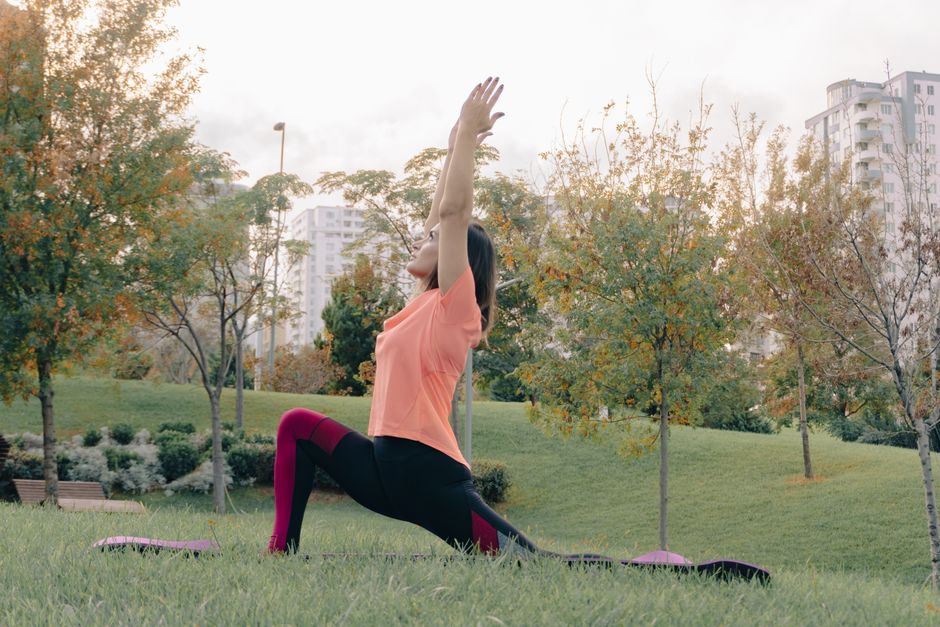
Engaging in low-intensity activities such as walking, cycling, or light yoga can promote circulation and help eliminate metabolic waste products from muscles.
Consider using active recovery days to explore nearby parks or engage in cultural activities, which also provide mental relaxation.
Stretching and Yoga
The Benefits of Stretching
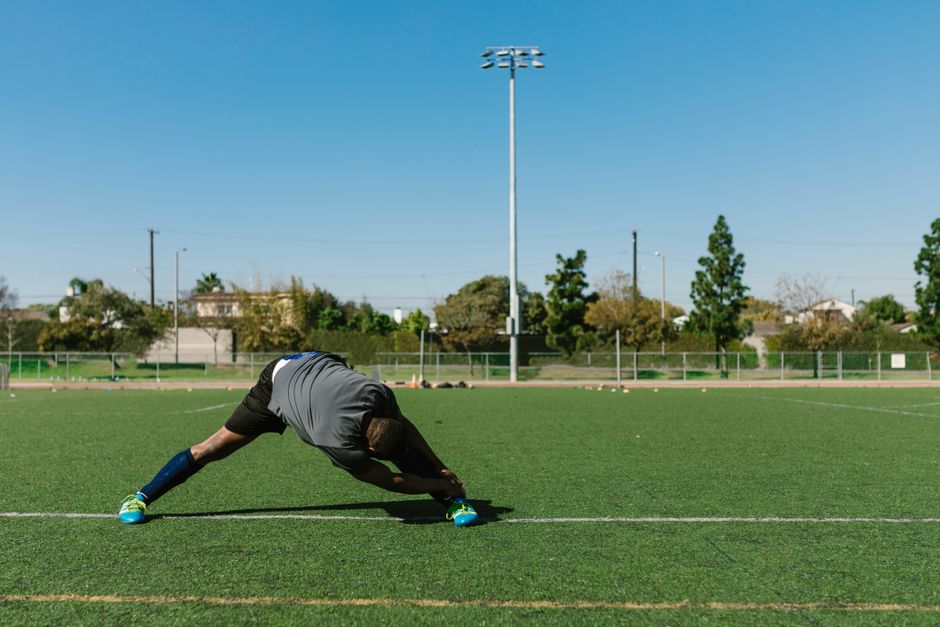
Stretching post-exercise can enhance flexibility, reduce muscle stiffness, and improve blood flow to muscles.
- Focus on dynamic stretches before exercise and static stretches after workouts.
- Include exercises like the butterfly stretch and arm circles into your stretching routine.
Incorporating Yoga
Yoga combines stretching, balance, and mindfulness, making it an excellent practice for muscle recovery. It also helps reduce stress, which can impede recovery.
Try incorporating a few yoga sessions a week, either at home with online videos or by joining a local class. Yoga can also serve as a social activity, building community and promoting cultural exchange.
Managing Stress and Mental Recovery
Stress management is an often-overlooked aspect of muscle recovery. Chronic stress can hinder recovery by increasing muscle tension and reducing sleep quality.
Techniques to Manage Stress
- Meditation: Practice mindfulness meditation to enhance relaxation and mental clarity.
- Deep Breathing Exercises: Use deep breathing techniques to reduce stress and promote relaxation.
- Cultural Activities: Engaging in cultural activities like music and dance can be excellent stress relievers.
Final Thoughts
Muscle recovery is a multifaceted process that requires attention to rest, nutrition, active recovery, and stress management. For Nigerians, integrating these strategies into daily life can enhance both physical performance and overall health. By prioritizing muscle recovery, you can ensure that you remain active, engaged, and full of vitality, embracing the energetic spirit of Nigeria.