Muscle recovery is often overlooked but plays a crucial role in improving performance and maintaining a healthy lifestyle. Whether you're an athlete in Lagos or a fitness enthusiast in Abuja, understanding how to aid your muscles in recovering can make a big difference in your overall well-being. Let's explore some practical tips tailored to Nigerians for optimizing muscle recovery.
Understanding Muscle Recovery
Before diving into specific techniques, it's essential to understand what muscle recovery entails. Muscle recovery refers to the body's process of repairing and rebuilding the muscles after they have been stressed through physical activity.
The Science Behind Recovery
When you work out, especially during high-intensity exercises, your muscle fibers experience microscopic tears. This is a normal process that triggers growth, making your muscles stronger and more resilient over time.
The recovery process is crucial for maximizing gains and preventing injuries.
Significance for Nigerians
For Nigerians, incorporating effective muscle recovery techniques can help in adapting to the local climate, dietary preferences, and lifestyle habits that might influence recovery.
- Adapting to the tropical climate
- Incorporating local foods rich in muscle-repairing nutrients
- Balancing work and exercise routines
Effective Muscle Recovery Techniques
There are various strategies you can adopt to enhance your muscles' recovery process. Here are some tried-and-tested methods:
Nutrition and Hydration
Nutrition plays a pivotal role in muscle recovery. Consuming a balanced diet rich in proteins, carbohydrates, and healthy fats can aid in muscle repair.
- Local dishes like jollof rice with grilled chicken provide a good mix of carbohydrates and proteins.
- Hydrating with water and beverages like zobo (hibiscus tea) can help replenish lost fluids.
Staying hydrated is key to efficient recovery and overall health.
Rest and Sleep
Quality sleep is non-negotiable for effective muscle recovery. It is during sleep that the body releases growth hormone, which plays a critical role in muscle repair.
- Aim for 7-9 hours of sleep daily.
- Create a sleep-friendly environment, free from noise and distractions.
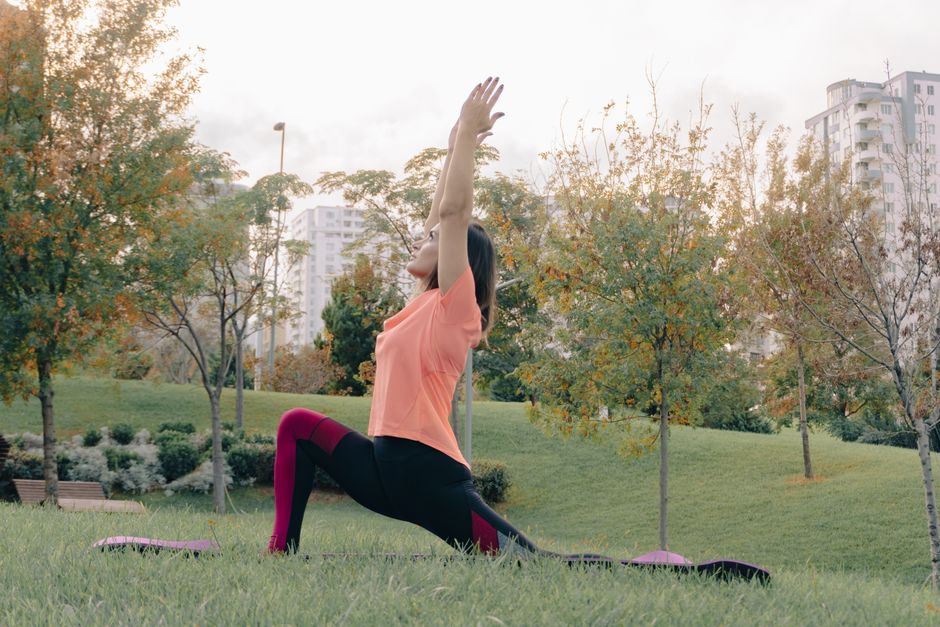
Incorporating Stretching and Yoga
Stretching and yoga are excellent ways to promote flexibility and aid muscle recovery. These practices help in reducing muscle stiffness and enhancing blood circulation.
Stretching Routines
Regular stretching before and after workouts can significantly reduce the risk of injury and expedite recovery.
- Dynamic stretches before workouts prepare the muscles.
- Static stretches post-workout help in muscle relaxation.
Yoga Practices
Incorporating yoga into your routine can offer numerous recovery benefits. Yoga helps in mental relaxation, which is crucial for physical recovery.
Yoga not only enhances flexibility but also promotes mental calmness, aiding in holistic recovery.
Utilizing Nigerian Resources
Nigeria offers a wealth of natural resources that can be harnessed to improve muscle recovery.
Traditional Remedies
Traditional remedies like shea butter and moringa are rich in antioxidants and anti-inflammatory properties, which can aid in muscle recovery.
- Shea butter can be used for muscle massages to reduce soreness.
- Moringa supplements can boost your nutrient intake.
Modern Solutions
Modern recovery tools such as foam rollers and percussion massage devices are becoming increasingly popular in Nigeria.
- Foam rollers help in myofascial release, reducing muscle knots.
- Massage devices can provide deep tissue relief.
Conclusion
Muscle recovery is a vital component of maintaining an active and healthy lifestyle. By understanding and implementing these recovery techniques, Nigerians can optimize their physical performance and enhance overall well-being. Remember, your body is your most important asset, so take the time to care for it properly.