For many active Nigerians, whether athletes, fitness enthusiasts, or those juggling a busy lifestyle, maximizing muscle recovery is essential. Muscle recovery is not just about bouncing back from an intense workout; it's about maintaining energy, reducing injury risks, and ensuring that your body is ready for the next challenge. In a country where many lead dynamic and physically demanding lives, understanding how to effectively recover can make a significant difference in performance and overall well-being.
Muscle recovery involves more than just resting your body. It encompasses a range of activities and practices that help repair muscles, replenish energy stores, and reduce muscle soreness. From traditional methods to innovative practices, let's dive into how you can enhance muscle recovery, tailored specifically for Nigerians.
Understanding the Science Behind Muscle Recovery
The Physiology of Muscle Recovery
When you exercise, especially through strength training or endurance activities, your muscles experience tiny tears. This process, while sounding harmful, is actually beneficial as it leads to stronger and larger muscles. However, for these muscles to repair and grow, appropriate recovery is crucial.
Our bodies use three primary phases to recover muscles: the inflammatory phase, the repair phase, and the remodeling phase. During the inflammatory phase, your body increases blood flow to the damaged muscle to remove waste products. In the repair phase, new muscle fibers are produced, and in the remodeling phase, these fibers mature and strengthen.
The Role of Nutrition in Recovery
Proper nutrition plays a pivotal role in muscle recovery. Consuming adequate protein helps repair damaged muscle fibers, while carbohydrates replenish depleted glycogen stores. Hydration, often overlooked, is also essential as it supports every phase of the recovery process.
- Protein: Foods rich in protein, such as beans, lean meats, and fish, are crucial for muscle repair.
- Carbohydrates: Including rice, yam, and plantains can help replenish glycogen.
- Hydration: Drinking enough water and fluids, especially in Nigeria's warm climate, cannot be overstated.
Practical Techniques for Effective Muscle Recovery
Active Recovery Methods
Active recovery involves engaging in low-intensity exercises post-workout. This could be as simple as a walk in a local park or a light jog around your neighborhood. These activities help increase blood circulation without putting additional stress on your muscles.
Rest and Sleep
Never underestimate the power of a good night's sleep. Quality sleep is when your body does most of its repair work. Aiming for 7-9 hours of restful sleep each night can significantly improve recovery.
"Sleep is the golden chain that ties health and our bodies together." – Thomas Dekker
Incorporating Stretching and Yoga
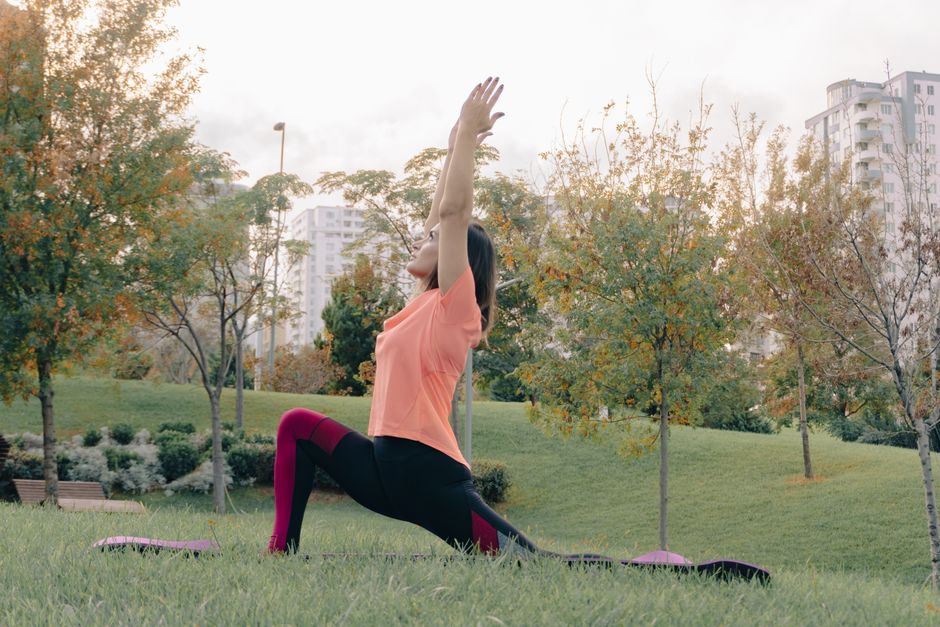
Incorporating yoga and stretching into your routine helps maintain flexibility and reduce muscle stiffness. Nigerian yoga classes are becoming more popular and accessible, offering a holistic way to enhance recovery.
- Try a gentle yoga session at home with online tutorials tailored to all levels.
- Focus on stretches that target sore areas, like the hamstrings or shoulders.
Innovative Approaches to Muscle Recovery
Massage and Foam Rolling
Massage therapy and foam rolling are effective for alleviating muscle soreness and tension. In Nigeria, traditional massage techniques are often used alongside modern practices to enhance recovery.
"After a tough workout, foam rolling can feel like a mini-massage session." – Fitness Expert
Cold and Heat Therapy
Using cold and heat therapy can reduce inflammation and promote muscle relaxation. Cold showers, common in many Nigerian households, can serve as an effective post-workout tool.
Overcoming Common Recovery Challenges
Balancing Recovery with Daily Life
Balancing muscle recovery with a busy lifestyle can be challenging. Time management and prioritizing self-care are key. Integrate recovery activities into your daily routine, such as stretches during work breaks or short meditation sessions.
Understanding Your Body's Signals
Listening to your body is crucial. Overtraining can lead to prolonged recovery times and potential injuries. Recognize signs of fatigue and give yourself permission to rest when needed.
Conclusion
Maximizing muscle recovery is not just about bouncing back quickly; it's about creating a sustainable lifestyle that supports your physical endeavors. For Nigerians, embracing both traditional methods and modern practices can lead to a more effective recovery process. By integrating these strategies into your routine, you can unlock your body's full potential and maintain an active and vibrant life.