In a bustling country like Nigeria, where sports and physical activities are an integral part of our culture, athletes are continually pushing their limits. Whether it's football, athletics, or traditional wrestling, the need for effective muscle recovery cannot be overstated. Ensuring that your body recovers optimally after intense workouts or competitions is crucial not only for performance enhancement but also for injury prevention. In this comprehensive guide, we'll explore various strategies and techniques that Nigerian athletes can employ to maximize muscle recovery.
Understanding Muscle Recovery
Muscle recovery is a critical phase that occurs after exercise, where the body repairs damaged tissues and replenishes energy stores. This process is essential for muscle growth, improved performance, and overall health.
Why Muscle Recovery Matters
Improper recovery can lead to fatigue, decreased performance, and even injuries. For Nigerian athletes, understanding the importance of muscle recovery can be the key to sustaining long-term success in sports.
- Reduces the risk of injuries
- Enhances muscle growth
- Improves performance and endurance
The Science Behind Muscle Recovery
When you exercise, especially during high-intensity training, your muscle fibers experience microscopic tears. The recovery process involves repairing these tears and building stronger muscle fibers.
"Effective muscle recovery is the backbone of athletic success."
Nutritional Strategies for Muscle Recovery
Importance of a Balanced Diet
A balanced diet rich in proteins, carbohydrates, and fats is fundamental for muscle recovery. Nigerian athletes should focus on consuming local foods that are readily available and nutrient-dense.
- Proteins: Egusi soup, beans, and grilled chicken
- Carbohydrates: Yam, rice, and plantain
- Healthy fats: Groundnuts, palm oil, and avocados
Hydration: The Unsung Hero
Hydration plays a crucial role in muscle recovery. Water helps transport nutrients to cells and remove waste products from the body. Athletes should aim to stay hydrated before, during, and after workouts.
"Never underestimate the power of proper hydration in muscle recovery."
Rest and Sleep: The Cornerstones of Recovery
Rest and sleep are perhaps the most vital components of muscle recovery. During sleep, the body releases growth hormones that aid in tissue repair and muscle growth.
Sleep Quality Over Quantity
While the duration of sleep is important, the quality of sleep has a greater impact on recovery. Creating a conducive sleep environment can drastically improve recovery outcomes.
- Maintain a regular sleep schedule
- Create a comfortable sleeping area
- Avoid screen time before bed
Active Rest Days
Active rest days involve engaging in low-intensity activities that promote blood flow without straining the muscles. Activities like walking, cycling, or stretching are excellent options.
Effective Techniques for Muscle Recovery
Foam Rolling and Massage
Foam rolling and massage therapy help release muscle tension and improve blood circulation, speeding up the recovery process. They are especially popular among Nigerian athletes for their accessibility and effectiveness.
- Release tight muscles
- Improve flexibility
- Enhance blood flow
Stretching and Yoga
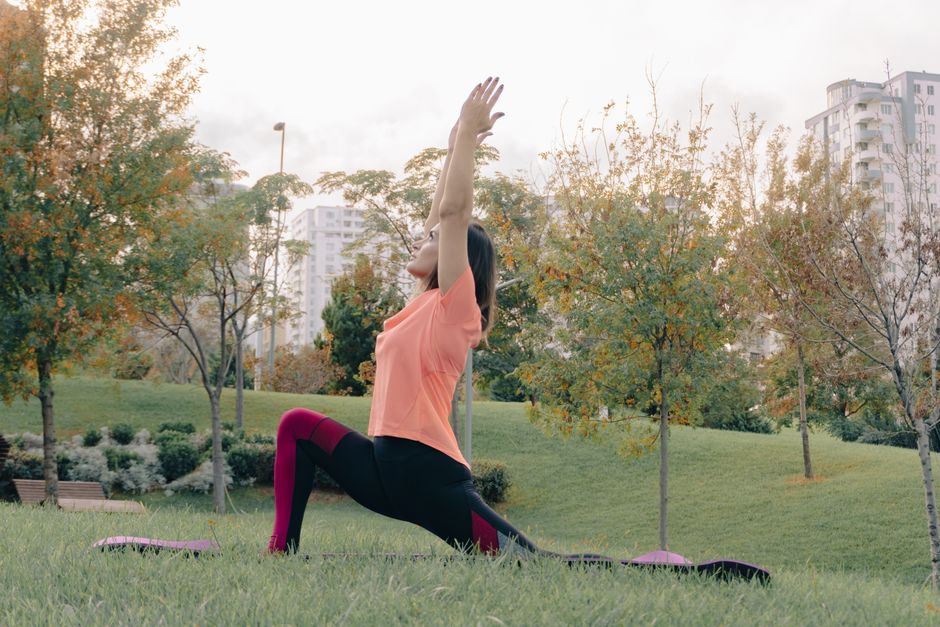
Incorporating stretching and yoga into your routine can significantly enhance flexibility and prevent injuries. These practices are also excellent for mental relaxation and stress reduction.
"Stretching is to the body what prayer is to the soul."
Final Thoughts
Muscle recovery is not just an afterthought but a fundamental part of any athlete's routine. By focusing on nutrition, rest, and effective recovery techniques, Nigerian athletes can improve their performance and reduce the risk of injuries. Remember, consistency is key, and making muscle recovery a priority will yield long-term benefits for your athletic endeavors.