In the bustling streets of Lagos or the serene landscapes of Abuja, athletes face unique challenges. Whether you're sprinting across a football field or lifting weights in a local gym, muscle recovery is crucial to maintaining peak performance and preventing injuries. Understanding how to properly care for your muscles can make a significant difference in your athletic journey.
Muscle recovery isn't just about rest; it's a comprehensive strategy that involves nutrition, hydration, active recovery, and more. For Nigerian athletes, this means incorporating culturally relevant and accessible practices into your routine. Let's explore how you can optimize your muscle recovery and keep pushing towards your fitness goals.
The Importance of Muscle Recovery
Why Muscle Recovery Matters
Proper muscle recovery is essential for preventing injuries and enhancing athletic performance. When you push your body through intense workouts, your muscles undergo stress and micro-tears that need to be repaired. This recovery process not only builds strength but also prepares your muscles for the next challenge.
"Think of muscle recovery as the unseen half of your workout. It's just as important as the exercise itself."
For Nigerian athletes, muscle recovery can be the difference between achieving new personal records and facing setbacks due to injury.
Common Barriers to Effective Recovery
- Lack of Knowledge: Many athletes focus solely on physical training, overlooking the importance of recovery.
- Time Constraints: Busy schedules can make it challenging to dedicate enough time to recovery practices.
- Limited Resources: Access to recovery tools and facilities can be limited in certain areas.
Understanding and addressing these barriers can help you implement effective recovery strategies.
Nutrition and Hydration for Recovery
Fueling Your Body
The food you consume plays a significant role in muscle recovery. In Nigeria, where diverse and nutritious foods abound, athletes can take advantage of local ingredients to support their recovery.
- Protein: Essential for muscle repair. Consider dishes like suya or beans and plantain, which are rich in protein.
- Carbohydrates: Replenish energy stores with staples like rice, yam, and fufu.
- Fats: Healthy fats found in palm oil and groundnuts aid in the absorption of nutrients.
The Role of Hydration
Staying hydrated is crucial for muscle recovery. Water supports nutrient transportation and temperature regulation, both vital during recovery.
"Hydration is not just about quenching thirst—it's about keeping your body functioning at its best."
Consider traditional Nigerian drinks like zobo and kunu, which can be refreshing and hydrating post-workout options.
Active Recovery Techniques
The Benefits of Active Recovery
Active recovery involves low-intensity exercises that aid muscle repair and reduce soreness without adding extra strain.
- Walking or Jogging: Light cardiovascular activity helps to increase blood flow to muscles.
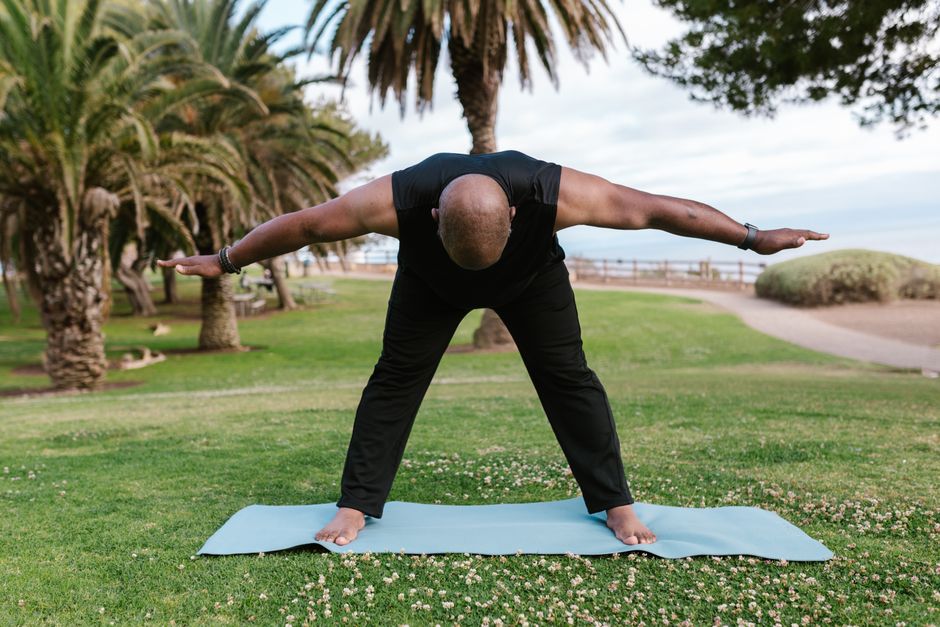
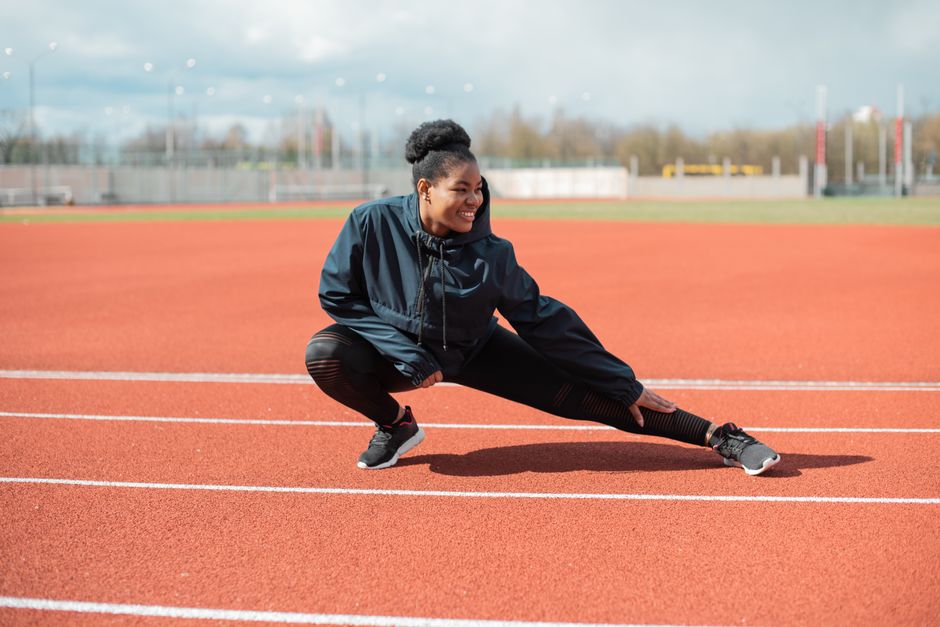
- Stretching: Incorporate gentle stretching to enhance flexibility and prevent stiffness.
- Swimming: Low-impact exercise that soothes sore muscles and improves circulation.
Integrating Active Recovery into Your Routine
Active recovery doesn't require special equipment or locations. Whether you're cooling down on the beach or stretching in your living room, these practices are adaptable and effective.
Remember, the goal is to keep moving without putting too much strain on your muscles.
Mindfulness and Relaxation
The Power of Restful Mindfulness
Muscle recovery isn't just physical; mental well-being plays a crucial role in the recovery process. Practices like mindfulness and meditation can accelerate recovery by reducing stress and promoting relaxation.
"A calm mind can be a powerful tool in the recovery process, helping your body to heal more efficiently."
Practical Mindfulness Techniques
- Deep Breathing: Spend a few minutes daily focusing on deep, calming breaths.
- Meditation: Use guided meditation apps or simple practices to center your mind.
- Yoga: Combine physical poses with mindfulness to enhance both mental and physical recovery.
Final Thoughts
Muscle recovery is an integral part of any athletic routine, and for Nigerian athletes, it can be effectively supported through culturally relevant and accessible practices. By incorporating balanced nutrition, staying hydrated, engaging in active recovery, and practicing mindfulness, you can enhance your recovery process and sustain your athletic performance.
Remember, the journey to peak performance is not just about how hard you train but also how well you recover. Embrace these strategies, and you'll be well on your way to achieving your fitness goals with resilience and vigor.