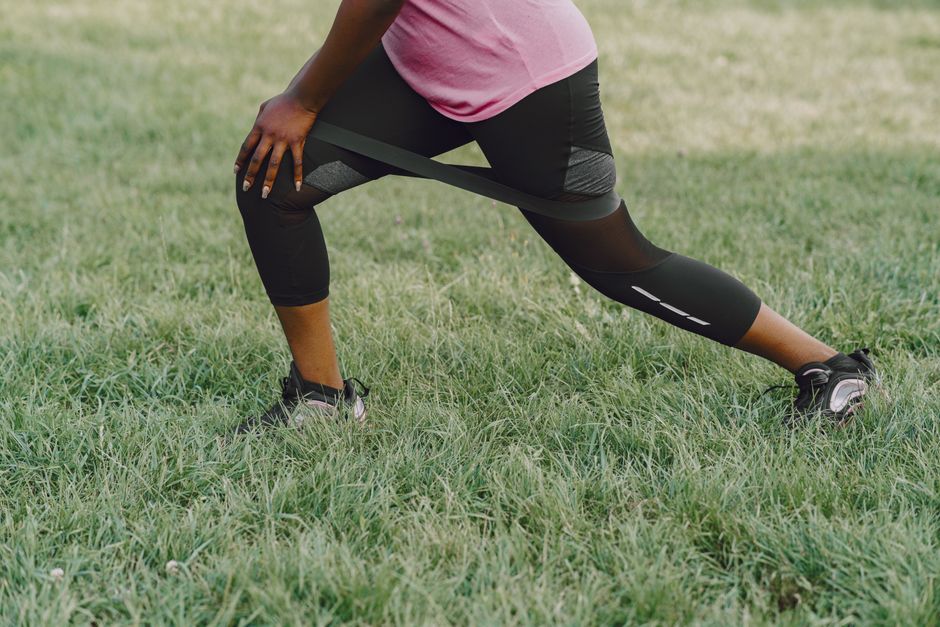
Muscle recovery is crucial for athletes, whether you're a seasoned runner in Lagos or a passionate footballer in Abuja. Understanding how to optimize recovery can not only enhance your performance but also minimize the risk of injuries. So, let's dive into effective strategies that are especially beneficial for Nigerian athletes.
In the bustling streets of Nigeria, where sports play a significant role in daily life, muscle recovery often takes a backseat. Yet, it is this very aspect that can turn an average workout into an exceptional one. Whether you're training under the hot Nigerian sun or in a well-equipped gym, recovering effectively is key.
Let's explore practical muscle recovery strategies that fit seamlessly into the dynamic Nigerian lifestyle, helping you bounce back stronger and ready to conquer your next athletic challenge.
The Science of Muscle Recovery
Understanding Muscle Fatigue
Muscle fatigue is a natural result of intense physical activity. When you push your muscles to the limit, tiny tears occur in the muscle fibers. This is why recovery is essential; it allows these fibers to repair and grow stronger.
"Recovery is where the real magic happens. It's not just about giving your muscles a break, but about coming back stronger."
Importance of Adequate Rest
Rest is a non-negotiable part of recovery. It is during sleep that your body produces growth hormones crucial for muscle repair. Aim for 7-9 hours of quality sleep each night to facilitate optimal recovery.
- Power Naps: Short naps of 20-30 minutes can rejuvenate your mind and body, especially after an intense morning training session.
- Relaxation Techniques: Practices like meditation or listening to soothing music can promote a restful sleep environment.
Nutrition: Fueling Recovery
Hydration: The Unsung Hero
Staying hydrated is paramount, especially in Nigeria's tropical climate. Water aids in the transport of nutrients and waste removal, vital for muscle recovery.
Proteins and Carbohydrates
Your post-workout meal should include a good balance of proteins and carbohydrates. Proteins repair muscle fibers, while carbohydrates replenish glycogen stores.
- Local Superfoods: Foods like beans, fish, and plantain are excellent sources of protein and energy.
- Post-Workout Snack: Consider a smoothie with bananas and peanuts for a quick recovery boost.
Active Recovery Techniques
Stretching and Mobility Work
Incorporating stretching into your routine can improve flexibility and reduce muscle stiffness. Focus on dynamic stretches before workouts and static stretches after.
- Yoga: Integrating yoga sessions can enhance flexibility and mental focus, ideal for recovery days.
- Foam Rolling: Utilize foam rollers to relieve muscle tightness and improve blood circulation.
Low-Intensity Exercises
Activities like walking, swimming, or cycling at a low intensity can enhance recovery by promoting blood flow without taxing your muscles.
Hot and Cold Therapy
Contrast Baths
Alternating between hot and cold water can reduce muscle soreness and inflammation. Start with a warm bath to relax muscles, followed by a cold one to constrict blood vessels.
Sauna and Steam Rooms
Frequent visits to a sauna or steam room can aid in muscle relaxation and toxin removal, enhancing the recovery process.
"Incorporating recovery techniques like hot and cold therapy is like giving your muscles a spa day."
Mindfulness and Mental Recovery
The Role of Stress Management
Stress can hinder muscle recovery. Engage in activities that promote relaxation, such as deep breathing exercises or reading.
Visualization and Goal Setting
Visualizing success and setting realistic goals can boost motivation and mental resilience, contributing to overall recovery.
Conclusion
Muscle recovery is an art that every athlete should master. From understanding the science behind recovery to implementing practical strategies, each step you take brings you closer to peak performance. Remember, recovery is not just about resting; it's about preparing your body for the challenges ahead.
By integrating these muscle recovery techniques into your routine, you'll not only enhance your athletic performance but also cultivate a healthier relationship with your body. Whether you're competing in local marathons or enjoying a friendly match in your community, recovery will always be your secret weapon.