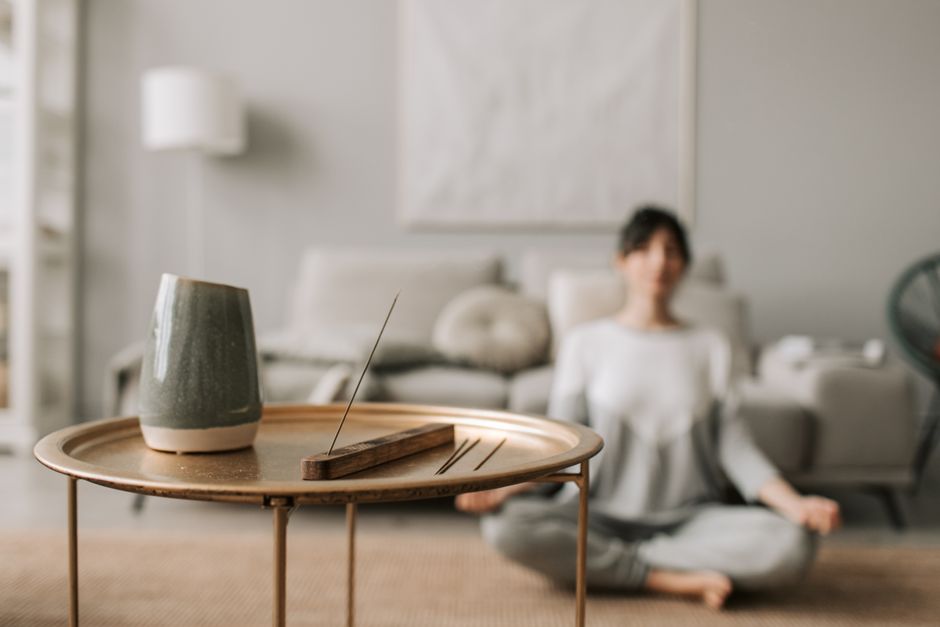
Mindfulness, a practice rooted in ancient traditions, has gained global recognition for its benefits to mental health and overall well-being. In Nigeria, where the hustle and bustle of daily life can often feel overwhelming, many individuals are turning to mindfulness as a way to find balance and peace. But how does one begin this journey, and how does the approach evolve as you become more experienced?
For those just starting out, mindfulness can seem daunting. The idea of sitting quietly with your thoughts might feel intimidating or even uncomfortable. However, for seasoned practitioners, mindfulness becomes a natural part of life, integrating seamlessly into daily activities. This article explores these different stages, providing insights and practical tips for both beginners and those more experienced in the art of mindfulness.
Understanding Mindfulness: The Basics
Before diving into the specifics, it's essential to understand what mindfulness is. At its core, mindfulness is about paying attention to the present moment, without judgment. This might sound simple, but in practice, it can be quite challenging.
For Beginners: Starting Small
If you're new to mindfulness, the best approach is to start small. Begin with just five minutes a day. Find a quiet space in your home, perhaps a corner of your living room or even your bedroom, where you can sit comfortably.
- Focus on your breath. Inhale deeply through your nose and exhale slowly through your mouth.
- Notice any sensations in your body and allow them to be present without trying to change them.
- Gradually increase the time as you become more comfortable with the practice.
It's important to be patient with yourself. Mindfulness is not about clearing your mind of thoughts but observing them without attachment.
For Experienced Practitioners: Deepening the Practice
Once you've established a regular mindfulness routine, you might find yourself wanting to deepen your practice. This could involve extending your meditation sessions to 30 minutes or exploring different types of mindfulness exercises, such as mindful walking or eating.
- Incorporate mindfulness into everyday activities like washing dishes or walking to work.
- Explore guided meditations to focus on specific areas like stress relief or gratitude.
- Join a local mindfulness group to connect with others and share experiences.
Experienced practitioners often report a greater sense of peace and clarity, allowing them to handle daily challenges with more resilience.
Overcoming Common Challenges
For Beginners: Finding Consistency
One of the biggest challenges for beginners is finding consistency in their practice. Life can be busy, and it’s easy to let mindfulness fall by the wayside.
"Consistency is key. Set a regular time each day for your practice, just like you would for a meal or a workout," advises Chioma, a mindfulness coach based in Lagos.
Consider setting a daily reminder on your phone to help establish a routine.
For Experienced Practitioners: Staying Engaged
For those who have been practicing mindfulness for some time, the challenge can be staying engaged and avoiding complacency. The practice might start to feel repetitive or even mundane.
Try mixing up your routine by attending workshops or retreats. These can offer new techniques and perspectives, keeping your practice fresh and invigorating.
Mindfulness Tools and Resources
For Beginners: Utilizing Apps and Guided Meditations
Technology can be a great tool for beginners. Apps like Headspace or Calm offer guided meditations that can make starting your practice easier.
- Headspace: Offers a free basics course to introduce you to meditation fundamentals.
- Calm: Provides a variety of meditations for sleep, focus, and relaxation.
These resources can be particularly helpful when you're unsure about how to begin or need some structured guidance.
For Experienced Practitioners: Exploring Advanced Courses
As your understanding of mindfulness deepens, you might want to explore more advanced resources. Consider online courses or books that delve into specific aspects of mindfulness or offer advanced techniques.
- "The Mind Illuminated" by John Yates: Combines ancient teachings with modern neuroscience for advanced practitioners.
- Online courses from universities like Yale or Stanford: Offer more in-depth studies of mindfulness and its benefits.
Final Thoughts
Whether you're just starting your mindfulness journey or have been practicing for years, it's important to remember that mindfulness is a personal and evolving practice. What's most important is that it serves you well, helping you navigate life's challenges with greater ease and compassion. Embrace the journey, wherever you are, and allow mindfulness to enrich your life in meaningful ways.