Have you ever felt that satisfying burn after a good workout, only to be left with sore muscles the next day? Whether you're training for the next Lagos marathon or simply enjoying a vigorous session at your local gym, muscle recovery is crucial. Without proper recovery, you may find yourself facing fatigue, injuries, or even setbacks in your fitness journey. But fret not, we've got you covered with effective muscle recovery techniques tailored for Nigerian fitness enthusiasts!
Muscle recovery is not just about resting. It incorporates several strategies that help your body heal and grow stronger. From protein-rich meals to stretching rituals, understanding these methods will optimize your recovery process, ensuring you bounce back stronger. Let's dive into the science behind muscle recovery and explore practical strategies you can implement right away.
Understanding Muscle Recovery
The Science Behind Muscle Recovery
Muscle recovery is the process by which the body repairs damaged muscle fibers after exercise. When you work out, especially during activities like weightlifting, tiny tears occur in your muscle fibers. The recovery phase allows these fibers to heal and grow back stronger.
This process is crucial for muscle growth, endurance, and overall performance. Understanding how recovery works can help you optimize your fitness regimen and achieve your goals faster.
The Importance of Adequate Rest
Rest is a critical component of muscle recovery. Without it, you risk overtraining, which can lead to injury and decreased performance. The body requires time to repair itself and replenish energy stores depleted during exercise.
"Rest days are just as important as training days. They allow your muscles to recover and grow, making you stronger and more resilient."
Effective Muscle Recovery Techniques
Nutrition: Fuel for Recovery
A balanced diet rich in proteins, carbohydrates, and fats is vital for muscle recovery. Proteins, in particular, play a crucial role in repairing and building muscle tissues.
- Protein-rich foods: Incorporate lean meats, fish, eggs, and legumes into your meals. Did you know a local favorite, suya, is a great protein source when consumed in moderation?
- Hydration: Staying hydrated helps transport nutrients to muscles and flushes out toxins. Make it a habit to drink water throughout the day, especially after strenuous workouts.
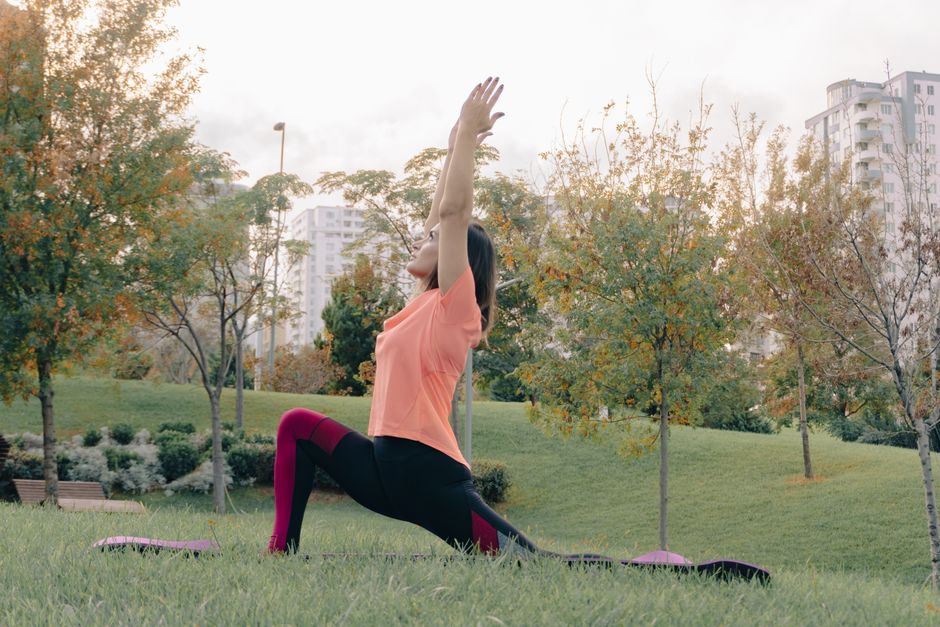
Stretching and Yoga
Stretching and yoga are excellent for improving flexibility and blood circulation, both of which aid in muscle recovery.
- Dynamic stretching: Engage in dynamic stretches before workouts to prepare your muscles and prevent injuries.
- Yoga sessions: Consider joining a local yoga class or following online tutorials. Poses like downward dog and child’s pose can significantly aid muscle relaxation.
Massage and Foam Rolling
Massage therapy and foam rolling are popular recovery techniques that help reduce muscle soreness and improve circulation.
- Foam rolling: Use a foam roller on tender spots to release muscle tightness and improve flexibility.
- Professional massage: Treat yourself to a massage at a local spa in Lagos. The relaxation will do wonders for your recovery process.
Sleep: The Ultimate Recovery Tool
Never underestimate the power of a good night’s sleep. During sleep, the body releases growth hormones that aid in muscle repair and recovery.
- Sleep hygiene: Maintain a regular sleep schedule, avoid caffeine before bed, and create a relaxing bedtime routine.
- Quality over quantity: Focus on sleep quality by ensuring your sleeping environment is conducive to rest.
The Role of Supplements in Muscle Recovery
Common Supplements for Recovery
Supplements can provide an additional boost to your recovery efforts, but they should not replace a balanced diet.
- Whey protein: A convenient source of protein, ideal for post-workout recovery.
- BCAAs: Branched-chain amino acids can reduce muscle soreness and enhance recovery.
Before incorporating any supplements, consider consulting with a healthcare professional to ensure they align with your health goals.
Creating a Personalized Recovery Plan
Listen to Your Body
Your body knows best. Pay attention to signs of overtraining or fatigue, and adjust your recovery plan accordingly.
- Feeling sore: If you're sore, consider taking an extra rest day or switching to a low-impact activity.
- Track your progress: Keep a recovery journal to note what works and what doesn't, adjusting your plan as needed.
Remember, recovery is not a one-size-fits-all approach. What works for you may differ from what works for others, so it's essential to find what suits your needs.
Conclusion
Muscle recovery is an integral part of any fitness journey, allowing you to return to your workouts stronger and more resilient. By incorporating proper rest, nutrition, stretching, and other recovery techniques into your routine, you can optimize your performance and reduce the risk of injuries.
Whether you're a seasoned athlete or just starting, prioritize muscle recovery. Your body will thank you, and you'll be well on your way to achieving your fitness goals. Remember, it's not just about working harder but also about working smarter. Happy recovering, and see you at the gym!