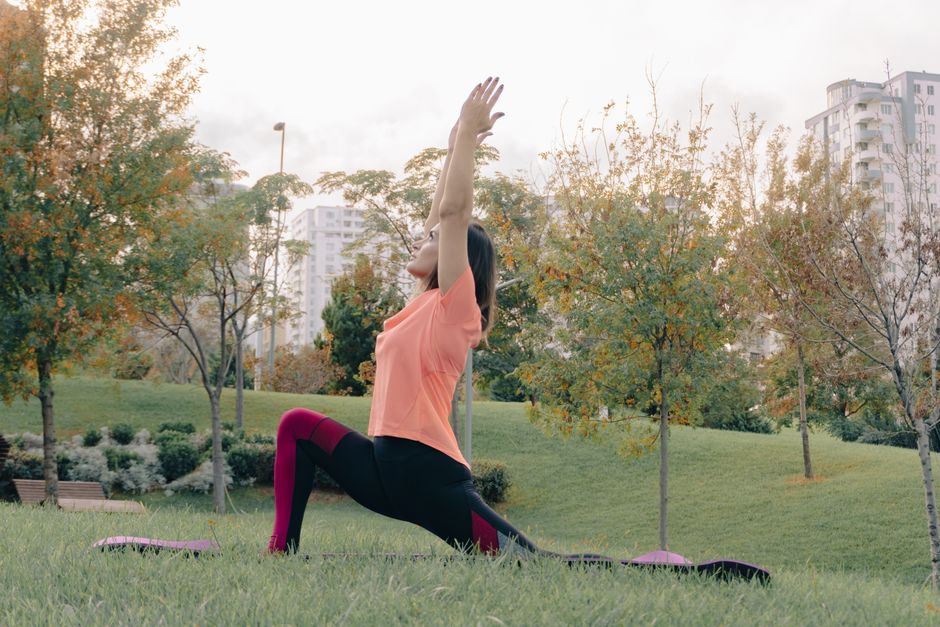
When it comes to maintaining an active lifestyle, muscle recovery plays a crucial role in ensuring you're ready for the challenges of the day. Whether you're an athlete, a fitness enthusiast, or simply someone who enjoys a brisk walk around your neighborhood in Lagos, understanding how to optimize muscle recovery can significantly impact your performance and well-being.
Muscle recovery is not just about resting after a strenuous workout; it's about engaging in practices that aid in repairing muscles, reducing soreness, and preparing your body for its next endeavor. In Nigeria, where the hustle and bustle of daily life often leaves little room for downtime, effective recovery strategies are more important than ever.
Let's dive into some practical, science-backed muscle recovery strategies that are not only effective but also easy to incorporate into your daily routine.
Understanding Muscle Recovery
The Importance of Muscle Recovery
Muscle recovery is essential for repairing tissue that breaks down during exercise, reducing the risk of injury, and improving future performance. In Nigeria, where physical activity ranges from casual sports to demanding manual labor, ensuring adequate recovery is crucial.
Understanding the recovery process helps you plan your workouts and rest periods, ensuring that your muscles have the necessary time and nutrition to repair and grow stronger.
"Recovery is where the magic happens. It's the time your muscles rebuild and grow stronger." - Fitness Expert
Physiological Aspects of Muscle Recovery
Muscle recovery involves several physiological processes, including inflammation, protein synthesis, and hormonal changes. These processes are influenced by factors such as diet, hydration, sleep, and stress levels.
By optimizing these factors, you can enhance your body's natural ability to recover, enabling you to bounce back quicker from strenuous activities.
Nutrition for Muscle Recovery
The Role of Protein
Protein is a vital component of muscle recovery, providing the building blocks necessary for repairing damaged muscle fibers. In Nigeria, traditional foods like beans, fish, and chicken are excellent sources of protein.
- Include protein-rich foods in your meals, especially post-workout.
- Consider protein supplements if your dietary intake is insufficient.
Hydration and Electrolyte Balance
Staying hydrated is crucial for efficient muscle recovery. Water aids in transporting nutrients to cells and removing metabolic waste.
In the hot Nigerian climate, it's especially important to replenish electrolytes lost through sweat. Coconut water and traditional soups are excellent for restoring electrolyte balance.
Rest and Sleep
The Power of Sleep
Quality sleep is one of the most powerful recovery tools available. During sleep, your body releases growth hormones that facilitate muscle repair.
Ensure you get 7-9 hours of uninterrupted sleep each night to optimize recovery. Consider creating a bedtime routine that includes relaxing activities like reading or a warm bath.
Active Rest Days
Incorporating active rest days into your routine can enhance recovery. These are days where you engage in low-intensity activities like walking or yoga.
- Explore local parks or beaches for a refreshing walk.
- Join a community yoga class to gently stretch and relax your muscles.
Recovery Techniques
Stretching and Foam Rolling
Stretching and foam rolling are effective techniques for alleviating muscle tightness and improving flexibility.
Incorporate a stretching routine post-workout, focusing on major muscle groups. Foam rolling can help release muscle knots and improve circulation.
Massage Therapy
Massage therapy can significantly aid in muscle recovery by reducing soreness and promoting relaxation.
Consider visiting a local massage therapist or using self-massage techniques at home with essential oils.
Mind-Body Practices
Yoga and Meditation
Yoga and meditation are excellent for enhancing recovery by reducing stress and promoting relaxation.
Join a local yoga class or practice at home using online resources. Meditation can be as simple as taking 10 minutes each day to focus on your breathing.
- Find a quiet space in your home or garden for meditation.
- Use guided meditation apps to help you get started.
"Yoga not only stretches your body but also calms your mind, making it a powerful recovery tool." - Yoga Instructor
Mindful Breathing
Mindful breathing exercises can improve oxygen delivery to muscles, aiding in recovery.
Practice deep breathing techniques, inhaling through the nose and exhaling through the mouth, to enhance recovery and reduce stress.
Conclusion
Muscle recovery is a vital component of maintaining a healthy and active lifestyle. By implementing these strategies, you can optimize your recovery process, ensuring that you're ready to conquer each day with energy and vigor.
Whether you're navigating the bustling streets of Abuja or winding down in a small village, these recovery practices are adaptable and effective. Prioritize your recovery, and you'll find yourself stronger and more resilient, ready to face whatever life throws your way.