In the bustling life of Nigeria's cities, where the echoes of bustling markets mix with the rhythmic beats of energetic Afrobeat music, staying active is a part of everyday life. Whether you're navigating the busy streets of Lagos or participating in a vibrant community dance session, your muscles are constantly at work. But with all this activity, how do you ensure that your muscles recover effectively, enabling you to maintain your active lifestyle without succumbing to fatigue or injury?
Muscle recovery is an essential part of any fitness routine, yet it's often overlooked. In this guide, we delve into practical and effective strategies to enhance muscle recovery tailored specifically for Nigerians. From dietary tips to lifestyle changes, we cover it all to help you stay active and healthy.
Understanding Muscle Recovery
What is Muscle Recovery?
Muscle recovery refers to the process your body goes through to repair and rebuild muscle fibers after exercise. This is crucial for improving strength, endurance, and overall fitness. When we exercise, especially during strength training, our muscles undergo tiny tears. Recovery is the body’s way of healing these tears, making the muscles stronger and more resilient.
Why is Muscle Recovery Important?
Proper muscle recovery can prevent injuries, reduce muscle soreness, and improve your performance. For those living in Nigeria, where physical activities can range from vigorous dancing to daily commutes on foot, neglecting recovery can lead to prolonged fatigue and reduced productivity.
By focusing on muscle recovery, you can enhance your performance and prevent injuries, ensuring a sustainable and active lifestyle.
Nutrition Tips for Muscle Recovery
Protein-Rich Foods
Protein is the building block of muscle repair. Incorporate foods such as beans, chicken, and fish into your diet. In Nigeria, dishes like jollof rice with grilled chicken or egusi soup with fish are not only delicious but also packed with protein.
- Beans: A staple in many Nigerian homes, beans are an excellent source of protein and fiber.
- Chicken: Grilled or boiled, chicken provides lean protein necessary for muscle repair.
- Fish: Rich in Omega-3 fatty acids, fish aids in reducing inflammation and speeding up recovery.
Hydration is Key
Staying hydrated is crucial for muscle recovery. Water helps transport nutrients to your cells and clear out toxins. In Nigeria’s warm climate, drinking enough water becomes even more important.
- Carry a reusable water bottle to ensure you're hydrated throughout the day.
- Incorporate hydrating fruits like watermelon or oranges into your diet.
Importance of Rest and Sleep
Prioritizing Quality Sleep
Sleep is when the body does most of its recovery work. Ensure you get 7-9 hours of quality sleep each night to promote muscle recovery. A consistent sleep schedule can also aid in better rest.
Rest Days in Your Routine
Rest days are just as important as workout days. Allowing your muscles to rest and recover can prevent overtraining and minimize injury risks. Schedule regular rest days, especially after intense exercise sessions.
Consider listening to your body and allowing it to rest when needed. Pushing through fatigue can lead to injury.
Exercises and Techniques for Recovery
Stretching and Flexibility Exercises
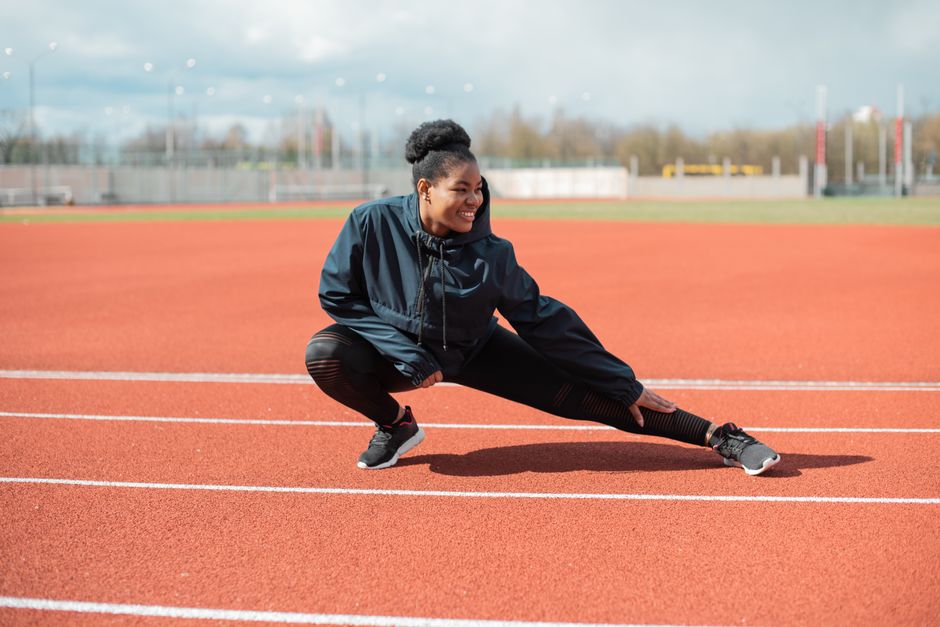
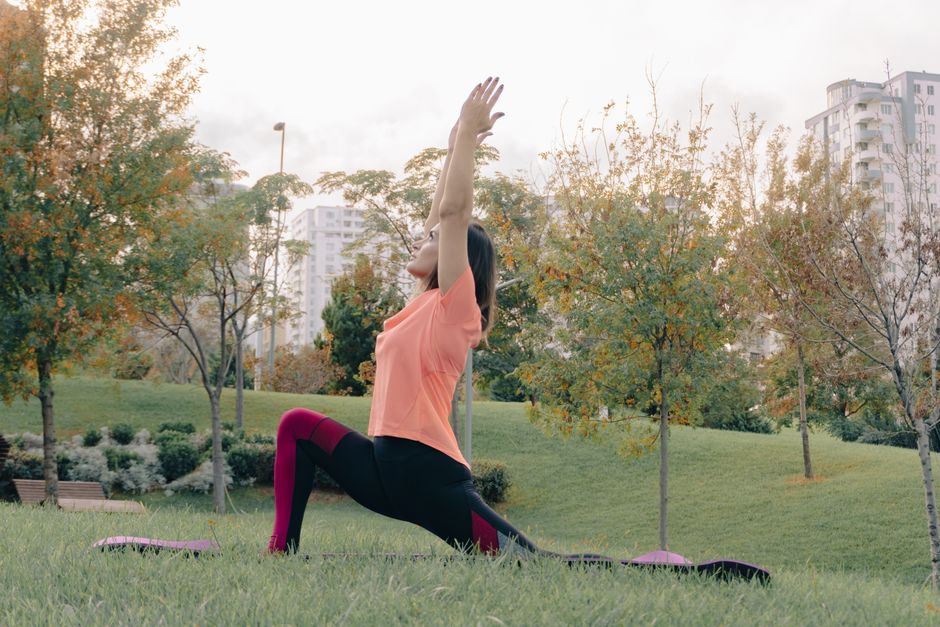
Stretching helps in improving flexibility and reducing muscle tension. After workouts, include a stretching routine that targets major muscle groups used during your exercise.
Foam Rolling and Massage
Foam rolling and massage can alleviate muscle tightness and enhance blood flow to tissues, aiding recovery. Consider visiting local spas or using at-home foam rollers for a self-massage experience.
- Foam Rolling: Focus on major muscle groups like calves, thighs, and back.
- Regular Massages: Incorporate these as a treat and a recovery tool.
Embracing Traditional Nigerian Practices
Herbal Remedies and Natural Oils
Incorporate traditional herbal remedies and natural oils known for their anti-inflammatory properties. Ginger, turmeric, and shea butter are popular choices in Nigerian households.
Community Support and Shared Activities
Participate in community events or group exercises. The support and motivation from others can enhance your recovery process. Dance groups or local sports teams can be a great way to stay active and recover together.
Embracing local practices not only aids recovery but also connects you to the rich cultural heritage of Nigeria.
Conclusion
Muscle recovery is a crucial component of maintaining a healthy, active lifestyle, especially in a vibrant and dynamic country like Nigeria. By prioritizing nutrition, rest, and recognizing the importance of cultural practices, you can enhance your recovery process, allowing you to continue enjoying the activities you love. Remember, recovery is not a luxury—it's a necessity. With these strategies, you can ensure your muscles are ready to take on any challenge that comes your way, from the bustling streets of Lagos to the serene landscapes of Abuja.