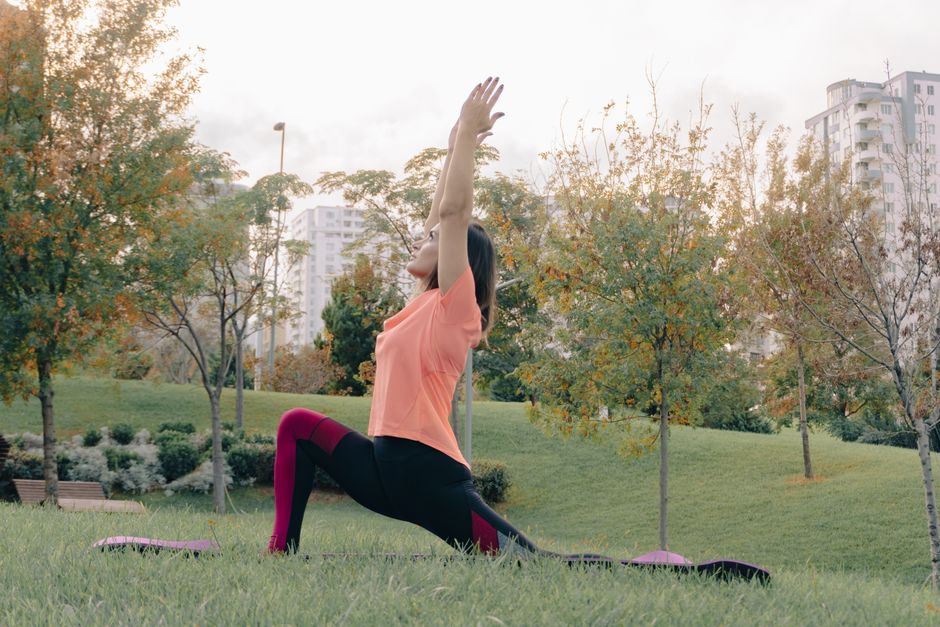
In the hustle and bustle of daily life in Nigeria, finding time for exercise and maintaining a healthy lifestyle can seem overwhelming. Whether you're an athlete training for the next marathon in Lagos, a fitness enthusiast, or simply someone looking to stay active, understanding the importance of muscle recovery is crucial. By optimizing your recovery process, you can improve performance, reduce the risk of injury, and ensure that your body is ready for the next challenge.
Muscle recovery isn't just about resting after a workout; it's a comprehensive process that involves several elements, including nutrition, sleep, hydration, and active recovery. In this article, we'll explore practical strategies and tips to enhance muscle recovery, specifically tailored for our Nigerian readers. Let's dive into the world of muscle recovery and discover how you can make the most of your fitness efforts.
The Importance of Muscle Recovery
Before we delve into the how-tos, let's understand why muscle recovery is so essential. When you exercise, especially in our hot and humid Nigerian climate, your muscles experience stress and microscopic tears. Recovery is the process where your muscles repair, grow stronger, and adapt to the new levels of exertion.
Avoiding Overtraining
One of the most common pitfalls for fitness enthusiasts is overtraining. Overtraining occurs when you don't allow your body sufficient time to recover, which can lead to fatigue, decreased performance, and even injuries.
"Appropriate recovery is not just resting; it's about strategic breaks and active rest to build resilience."
- Plan rest days strategically within your workout routine.
- Listen to your body's signals and adjust your training intensity accordingly.
- Include variety in your training to prevent repetitive strain injuries.
Nutrition and Hydration
Your diet plays a significant role in muscle recovery. Consuming the right nutrients can speed up the healing process and prepare your body for future workouts.
Protein for Muscle Repair
Protein is the building block of muscle repair. It's crucial to include enough protein in your diet, especially after workouts, to aid recovery.
- Incorporate protein-rich foods like beans, fish, and poultry into your meals.
- Consider protein supplements if your diet lacks natural protein sources.
Importance of Hydration
Staying hydrated is vital, particularly in Nigeria's warm climate. Water helps transport nutrients to your muscles and flushes out toxins.
- Aim to drink at least 8-10 glasses of water daily.
- Include hydrating foods like watermelon and cucumber, commonly available in Nigerian markets.
Sleep and Rest
Ample sleep is one of the most effective ways to ensure proper recovery. During sleep, your body goes into a mode of repairing tissues and muscles.
Quality Sleep Tips
Quality sleep is as important as quantity. Creating the right environment can significantly improve sleep quality.
- Maintain a consistent sleep schedule, even on weekends.
- Create a comfortable sleep environment free from noise and distractions.
- Reduce screen time before bed to enhance sleep quality.
Active Recovery Techniques
Active recovery keeps your muscles moving without the strain of intense workouts. It promotes blood circulation and speeds up recovery.
Yoga and Stretching
Practicing yoga and stretching exercises can help relax your muscles, reduce soreness, and improve flexibility.
- Consider a light yoga session or stretching post-workout to cool down.
- Focus on areas prone to tightness, like hamstrings and calves.
Utilizing Local Resources for Recovery
Traditional Nigerian Remedies
There are numerous traditional remedies available locally that can aid in muscle recovery. For instance, ginger and turmeric are popular for their anti-inflammatory properties.
- Try drinking ginger tea post-exercise to reduce muscle soreness.
- Add turmeric to your meals for its healing benefits.
Conclusion
Enhancing muscle recovery is an essential part of any fitness journey, especially in an active and vibrant place like Nigeria. By incorporating these practical strategies into your routine, you can optimize your workouts, prevent injuries, and enjoy a healthier, more balanced lifestyle. Remember, recovery is just as important as exercise itself — give your muscles the care they deserve, and they will reward you with strength and resilience.