Whether you're a seasoned athlete or just starting your fitness journey, muscle recovery is a crucial aspect of ensuring longevity and peak performance in sports. Especially in Nigeria, where the climate and unique lifestyle offer both opportunities and challenges, understanding how to effectively recover is more important than ever. Implementing proper recovery strategies can mean the difference between reaching your fitness goals and facing recurring injuries.
Muscle recovery is not just about resting after a workout; it's a holistic approach that involves nutrition, hydration, stretching, and even mental relaxation. For Nigerian readers, incorporating local foods and traditional practices can enhance this process, making recovery not just effective but also culturally resonant.
Let's delve into some practical, evidence-based strategies for optimizing muscle recovery, tailored specifically for Nigerian athletes and fitness enthusiasts.
The Importance of Muscle Recovery
Understanding the Recovery Process
Muscle recovery is the process through which your body repairs and strengthens muscle fibers damaged during exercise. This process is vital for building muscle mass, improving endurance, and preventing injuries.
- Repair: After exercise, microscopic tears occur in muscle fibers. Recovery allows the body to repair these tears, leading to muscle growth and strength.
- Inflammation Reduction: Exercise-induced inflammation can cause soreness. Effective recovery strategies help reduce this inflammation, promoting faster healing.
- Replenishment: During exercise, glycogen stores are depleted. Recovery involves replenishing these energy reserves, essential for future workouts.
Why Nigerians Need to Focus on Muscle Recovery
The Nigerian climate, characterized by high temperatures and humidity, can exacerbate dehydration and fatigue, making recovery even more critical. Moreover, the rich cultural heritage offers unique recovery foods and practices that can be leveraged for enhanced results.
Nigerians can benefit greatly from integrating traditional foods like yams and plantains into their recovery diets, which are rich in carbohydrates and fiber.
Effective Muscle Recovery Strategies
Nutrition and Hydration
Fueling your body with the right nutrients is essential for muscle recovery. In Nigeria, access to a variety of fresh produce and traditional foods provides an excellent foundation for a recovery diet.
- Protein: Essential for muscle repair. Incorporate lean meats, fish, and legumes such as beans and lentils.
- Carbohydrates: Replenish glycogen stores with rice, yams, and plantains.
- Hydration: Maintain electrolyte balance, especially in Nigeria's hot climate. Coconut water and zobo (sorrel) are excellent hydrating beverages.
Stretching and Mobility Work
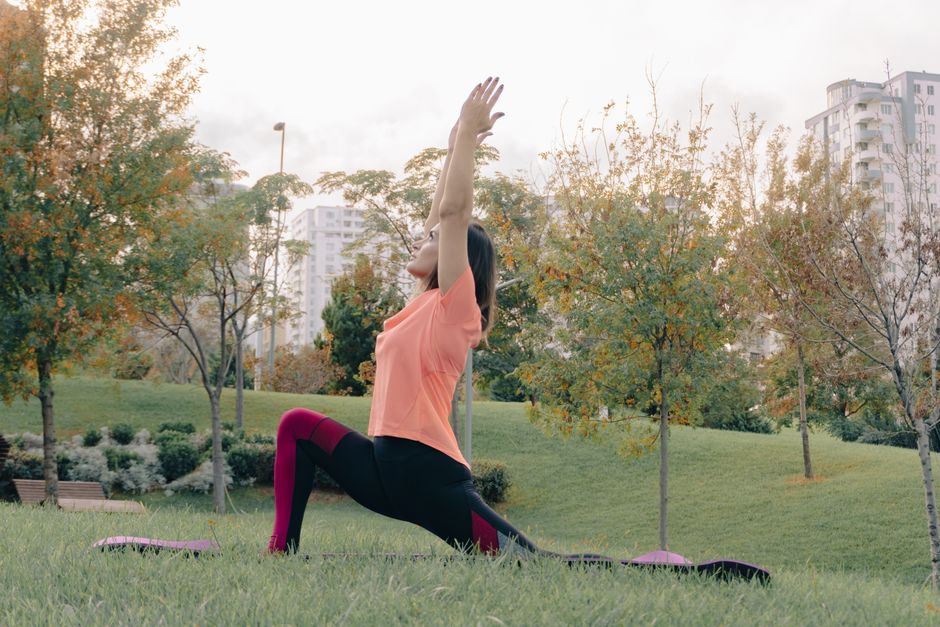
Incorporating stretching and mobility exercises into your routine can enhance flexibility and reduce muscle stiffness. Simple stretches after workouts can significantly aid in muscle recovery.
- Dynamic Stretching: Before workouts to increase blood flow to muscles.
- Static Stretching: Post-workout to relax and lengthen muscles.
- Yoga: Enhances flexibility and mental relaxation. Consider practices such as Vinyasa or Hatha yoga.
Rest and Sleep
The Role of Rest in Recovery
Rest is as crucial as the workout itself. It is during rest that the body repairs and strengthens itself. Adequate rest prevents overtraining, which can lead to injuries and burnout.
- Active Recovery: Light activities such as walking or cycling on rest days to keep muscles engaged without overexertion.
- Sleep: Aim for 7-9 hours of quality sleep to facilitate muscle recovery and overall well-being.
Adequate sleep is the most effective recovery tool. It is during deep sleep that muscle regeneration and growth hormone release occur most efficiently.
Traditional Nigerian Practices for Recovery
Leveraging Cultural Wisdom
Nigeria's rich cultural traditions offer unique practices that can be incorporated into modern recovery routines. These practices not only aid in physical recovery but also promote mental relaxation.
- Herbal Baths: Using locally available herbs like neem and eucalyptus for muscle relaxation.
- Massage Therapy: Traditional massage techniques can improve blood circulation and reduce muscle tension.
- Local Remedies: Utilizing traditional drinks like kunu, which is rich in carbohydrates, for energy replenishment.
Final Thoughts
Muscle recovery should be an integral part of every athlete's routine, tailored to fit personal needs and cultural backgrounds. For Nigerians, the combination of modern science and traditional wisdom provides a unique advantage. By embracing proper nutrition, hydration, rest, and cultural practices, athletes can achieve peak performance while maintaining their health. Remember, recovery is not a sign of weakness; it's a crucial component of a strong and sustainable fitness journey.