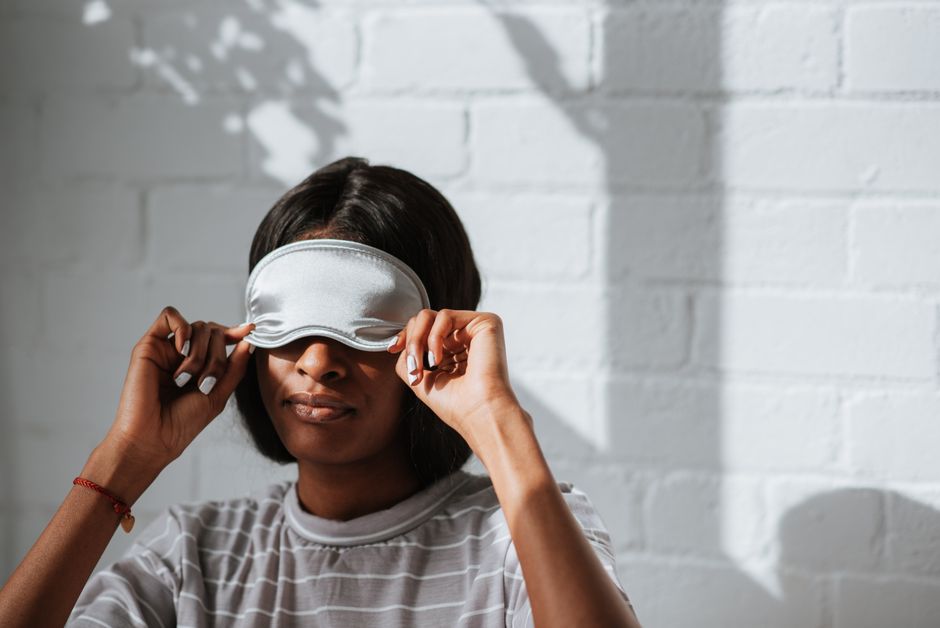
Getting a good night's sleep is crucial for maintaining health and well-being, yet many Nigerians struggle with it despite following the usual advice. You've probably heard tips like 'avoid caffeine before bed' or 'maintain a regular sleep schedule.' But what happens when these strategies don't work? You're left tossing and turning, watching the minutes tick by, and feeling desperate for rest. This troubleshooting guide is here to help you explore less conventional solutions tailored to your lifestyle.
Let's delve into specific scenarios where traditional sleep advice falls short, and discover how to address these unique challenges with practical, actionable solutions.
Identifying Your Unique Sleep Disruptors
Environmental Factors
For many in bustling Nigerian cities, noise pollution and heat can disrupt sleep. If you've already tried using earplugs or fans, but still struggle, consider soundproofing your room with heavy curtains or investing in noise-canceling technology, like white noise machines. The key is to create a serene atmosphere that drowns out external disturbances.
Nutritional Influences
Traditional Nigerian diets, rich in spices and carbohydrates, can impact sleep. If cutting down caffeine hasn't helped, evaluate your evening meals. Spicy and heavy foods can disrupt digestion and disturb sleep. Try eating lighter, more digestible meals in the evening, and see if this brings any improvement.
Behavioral Adjustments
Stress and Anxiety Management
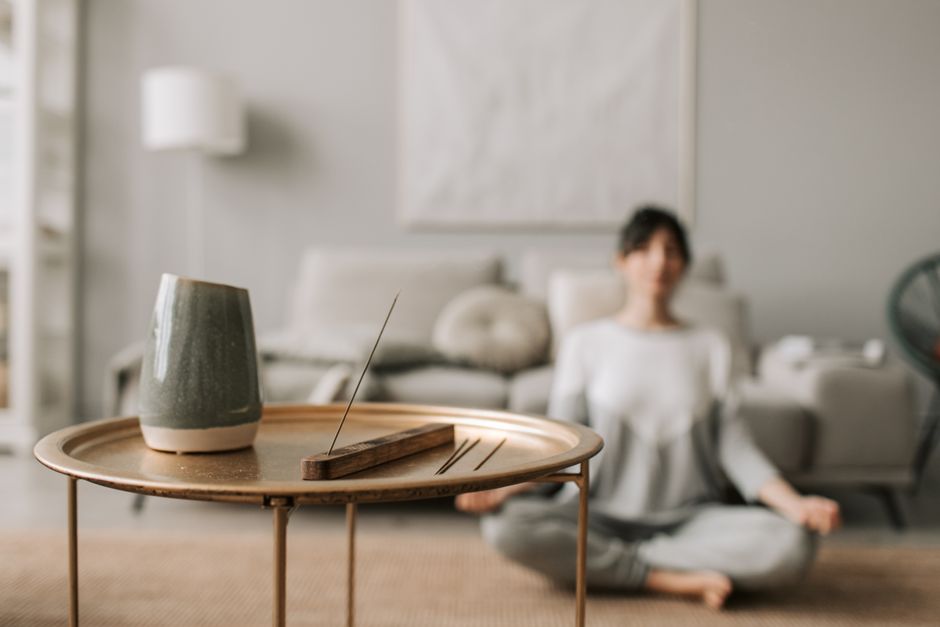
Stress is a common sleep thief. If standard relaxation techniques like meditation aren't cutting it, consider alternative therapies such as acupuncture or aromatherapy. Incorporating these into your evening routine could help calm your mind and prepare your body for rest.
Effect of Technology
The blue light from screens can be disruptive. If reducing screen time hasn't worked, try using apps designed to filter blue light or setting devices to 'night mode'. Additionally, consider replacing evening screen time with calming activities like reading or listening to music.
Physical and Medical Considerations
Medical Conditions
If underlying health issues are suspected, such as sleep apnea or restless leg syndrome, consulting a healthcare professional is crucial. You might need specialized treatments or devices like CPAP machines to improve your sleep quality.
Exercise Timing and Type
Exercise is beneficial, but timing matters. If evening workouts are leaving you wired, switch to morning sessions. Alternatively, explore calming exercises like yoga or tai chi in the evening to help relax your body.
Alternative and Natural Remedies
Herbal Solutions
When sleep aids don't deliver, exploring herbal options such as valerian root or chamomile tea might be beneficial. However, ensure these remedies align with any medical advice you are receiving.
Traditional Nigerian Practices
Exploring indigenous practices can also be insightful. This might include traditional herbal remedies known locally to promote sleep, which can offer cultural resonance and effectiveness.
"When conventional sleep tips don't work, it's time to explore creative solutions tailored to your unique lifestyle and environment."
Conclusion
Finding the right solution when traditional sleep tips don't work can be challenging, but not impossible. By understanding your unique sleep disruptors and exploring tailored solutions, you can create a personalized approach to achieving restful sleep. Remember, it's about finding what works best for you, and sometimes, that means stepping outside the usual advice to uncover new strategies.