In the bustling life of a Nigerian athlete, muscle recovery often takes a back seat to intensive training and competition. Yet, effective recovery is not just a luxury; it's a necessity for maintaining peak performance and avoiding injuries. From the football fields of Lagos to the tracks in Abuja, understanding how to properly recover can make the difference between a gold medal moment and a sidelined season.
Muscle recovery doesn't have to be complex or expensive. With the right strategies, you can optimize recovery times, improve performance, and extend your athletic career. Let's delve into the art of muscle recovery, focusing on practical, actionable tips tailored for the Nigerian context.
Understanding Muscle Recovery
The Science Behind Recovery
When you exercise, especially at high intensities, you create micro-tears in your muscle fibers. This might sound counterintuitive, but it's a natural part of building strength and endurance. The recovery process is what allows your muscles to repair and grow stronger. During recovery, your body works to repair these fibers by fusing them, which increases the mass and size of the muscles.
Why Recovery Matters
Ignoring recovery can lead to overtraining, which can cause fatigue, decreased performance, and even injury. This is particularly important for Nigerian athletes who often train in hot, humid conditions, which can exacerbate these issues.
"Recovery is not a sign of weakness. It's a crucial part of training that can enhance your overall performance." - Dr. Adesola Ojo, Sports Medicine Specialist
Effective Recovery Techniques
Rest and Sleep
For many, rest seems like the most obvious form of recovery, yet it's often the most neglected. Sleep is where the magic happens. During deep sleep, your body releases growth hormones, which are essential for tissue growth and muscle repair.
- Create a Sleep Schedule: Going to bed and waking up at the same time every day can enhance your sleep quality.
- Curb Late-Night Activities: Limit screen time, caffeine, and heavy meals before bed to improve sleep continuity.
Nutrition and Hydration
Your body needs the right nutrients to repair and grow muscle tissue. Consuming a balanced diet rich in proteins, carbohydrates, and fats is essential.
- Protein Intake: Ensure you consume adequate proteins post-workout to support muscle repair.
- Stay Hydrated: The Nigerian climate can lead to dehydration, which hampers recovery. Drink plenty of water throughout the day.
- Local Superfoods: Foods like beans, plantains, and yams are not only nutritious but also readily available across Nigeria.
Active Recovery and Stretching
Importance of Active Recovery
Active recovery involves engaging in low-intensity exercise after intense workouts, which can help maintain blood flow and reduce lactic acid buildup in muscles.
- Engage in Light Activities: Activities such as walking or cycling at a relaxed pace can be beneficial.
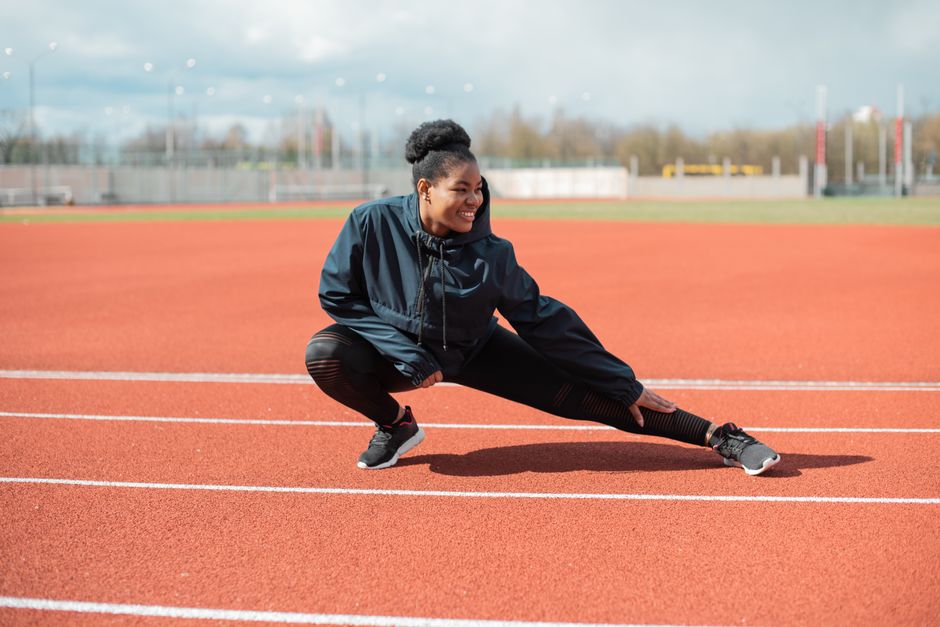
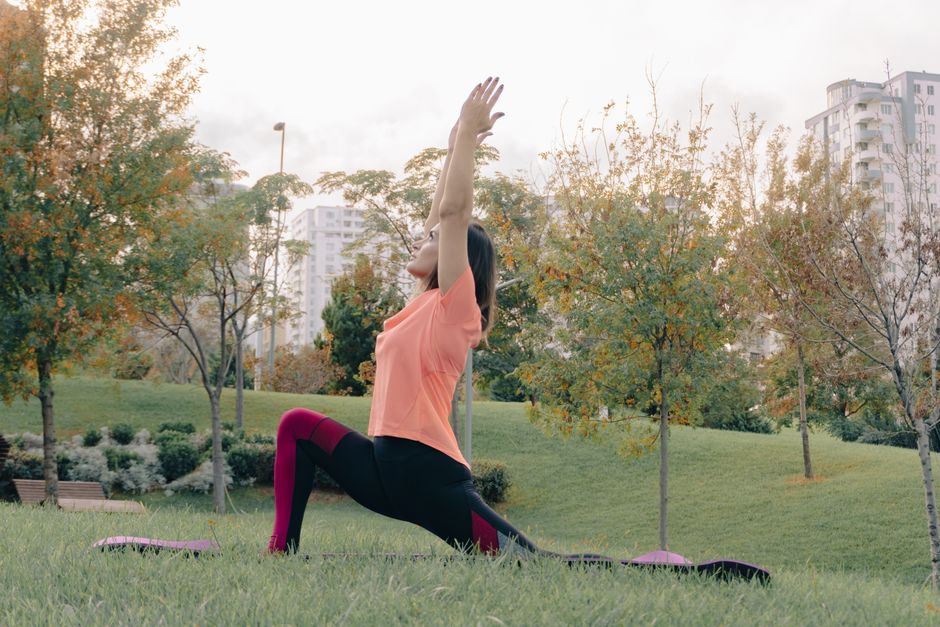
- Include Yoga and Stretching: Not only does this improve flexibility, but it also enhances circulation, aiding in muscle recovery.
Stretching Routines
Incorporating stretching into your routine can prevent stiffness and improve muscle function.
- Dynamic Stretching: Best done before workouts to prepare muscles.
- Static Stretching: Ideal for post-workout to increase flexibility.
Technological Aids for Recovery
Use of Technology
With advancements in technology, there are now numerous tools available that can aid in muscle recovery.
- Foam Rollers: These help in self-myofascial release, which can alleviate muscle tightness.
- Massage Guns: These devices can help in reducing muscle soreness and enhance blood flow.
Recovery Apps
There are several apps available that can guide you through recovery routines and track your progress.
- Sleep Cycle App: Helps monitor your sleep patterns, ensuring you get the rest you need.
- Hydration Reminder Apps: These can remind you to drink water throughout the day, crucial for Nigerian athletes.
Common Recovery Mistakes to Avoid
Overtraining
While dedication is admirable, pushing your body beyond its limits without adequate recovery can lead to injuries and setbacks.
"Listen to your body. Rest when needed, and don't push through pain." - Coach Femi Adebola, Athletic Trainer
Ignoring Pain
Many athletes make the mistake of ignoring pain, attributing it to normal soreness. However, persistent pain could indicate an underlying issue that needs attention.
Final Thoughts
Muscle recovery is a vital component of any successful training regimen, especially for Nigerian athletes who face unique environmental and cultural challenges. By prioritizing recovery through adequate rest, nutrition, hydration, and utilizing modern technology, you can enhance your performance and reduce the risk of injury. Remember, effective recovery is not just about the physical aspects but also involves mental rest.
Incorporating these strategies into your routine will not only aid in muscle recovery but also ensure you remain at the top of your game, ready to face any challenge.