In the bustling lifestyle of Nigeria, where balancing work, family, and personal health can seem like a juggling act, prioritizing muscle recovery often takes a backseat. Yet, for fitness enthusiasts and athletes alike, understanding the intricacies of muscle recovery is crucial not only for performance improvement but also for injury prevention. In this article, we delve into practical techniques tailored for Nigerians to enhance muscle recovery.
When we think of muscle recovery, it’s not just about resting; it’s a holistic approach that involves a blend of rest, nutrition, hydration, and active techniques. With the right strategies, you can accelerate your recovery process and get back to your routine stronger and more resilient than before.
Let’s journey into the realm of muscle recovery, where we’ll explore science-backed methods that help your muscles repair and grow, effectively turning fatigue into strength, one day at a time.
Understanding Muscle Recovery
What Happens During Muscle Recovery?
Muscle recovery is a complex process where your body repairs damaged muscle fibers, leading to muscle growth and strength. When you exercise, especially during intense workouts, your muscles endure micro-tears. It’s during the recovery phase that these fibers rebuild stronger.
This process is crucial because it not only helps in gaining muscle mass but also prevents common injuries associated with overtraining, such as strains and sprains.
"Muscle recovery is not just downtime. It’s the time when your body rebuilds itself, stronger than before."
Essential Components of Muscle Recovery
- Rest: Adequate sleep and rest days are crucial. Aim for 7-9 hours of sleep per night.
- Nutrition: Consume protein-rich foods like beans, fish, and poultry to facilitate muscle repair.
- Hydration: Drink plenty of water to aid nutrient transport and muscle function.
- Active Recovery: Engage in low-intensity exercises to keep blood flowing and muscles loose.
Effective Muscle Recovery Techniques
Foam Rolling and Massage
Using a foam roller or getting a massage can significantly enhance muscle recovery by releasing tension and improving circulation. Foam rolling is a form of self-myofascial release, which helps in breaking down adhesions within muscle fibers.
Consider visiting a local massage therapist or using a foam roller at home. The key is consistency and targeting major muscle groups used during your workouts.
Stretching: Keeping Muscles Flexible
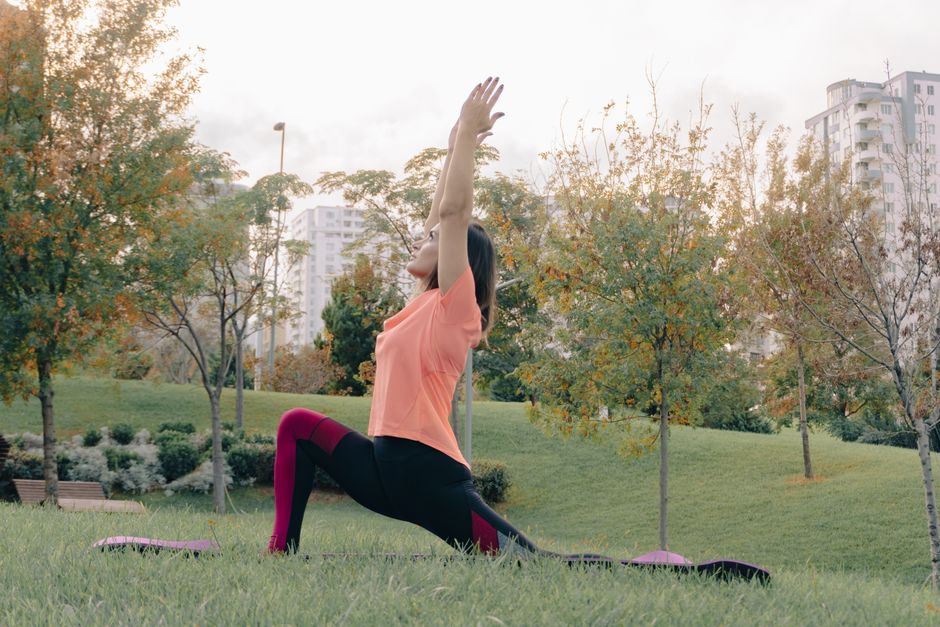
Incorporate dynamic stretching before workouts and static stretching afterward to maintain flexibility and prevent stiffness. This practice not only aids in recovery but also enhances overall athletic performance.
- Dynamic stretches: Arm circles, leg swings, and trunk twists.
- Static stretches: Hamstring stretches, calf stretches, and shoulder stretches.
Nutrition and Hydration for Recovery
Fueling Your Body Right
Nutrition plays a pivotal role in muscle recovery. Post-workout, aim to consume a balanced meal rich in protein and carbohydrates. Nigerian dishes such as egusi soup with chicken or a hearty bowl of jollof rice with fish can provide the necessary nutrients.
These meals not only satisfy your taste buds but also supply essential amino acids and glycogen to replenish muscle stores.
The Importance of Staying Hydrated
Hydration is often overlooked but crucial. Water is involved in almost every biological process, including nutrient transport and waste removal. Ensure you're drinking enough water throughout the day, especially post-exercise.
"Hydrate, replenish, and refuel. It’s the trifecta for recovery success."
Active Recovery and Lifestyle Adjustments
Embracing Low-Intensity Activities
Active recovery involves engaging in low-intensity activities such as walking, swimming, or cycling. These exercises help reduce lactic acid buildup and promote blood flow, aiding in quicker recovery times.
A stroll through a local park or a leisurely bike ride can offer both physical and mental relaxation, contributing to overall well-being.
Adjusting Lifestyle Habits
Beyond exercise, other lifestyle factors significantly impact recovery. Reducing stress through meditation or yoga can lower cortisol levels, a hormone that can impede recovery when elevated.
- Practice mindfulness techniques.
- Ensure a balance between work and relaxation.
- Pursue hobbies that bring joy and relaxation.
Final Thoughts
Prioritizing muscle recovery is not just for athletes but is essential for anyone pursuing a healthier lifestyle. By incorporating these techniques into your routine, you can enhance your fitness journey, prevent injuries, and enjoy a better quality of life.
Remember, the journey to fitness is not just about pushing your limits but also about knowing when to step back and allow your body the time it needs to heal and grow. Embrace the art of recovery, and you’ll find yourself reaching new heights in performance and health.