Imagine this: you have just finished an intense workout session at your local gym in Lagos, drenched in sweat but feeling accomplished. However, the next day, you wake up feeling sore and exhausted, struggling to get out of bed. This scenario is all too familiar to many fitness enthusiasts. The key to maintaining your fitness journey without burning out lies in effective muscle recovery. Whether you're an athlete, a gym-goer, or someone who enjoys a brisk walk, understanding how to recover your muscles properly can make all the difference.
Muscle recovery isn't just about feeling less sore; it's about improving your overall well-being and enhancing your performance. In this article, we'll dive deep into the art of muscle recovery, tailored especially for the Nigerian audience. We'll explore practical tips, local remedies, and effective strategies to keep you on top of your game.
Let's embark on this journey to discover how you can enhance your muscle recovery process and unlock a new level of fitness excellence.
Understanding Muscle Recovery
The Science Behind Muscle Recovery
Muscle recovery is the process your body goes through to repair and strengthen muscle fibers after intense physical activity. When you exercise, especially during resistance or strength training, you're essentially creating tiny tears in your muscle fibers. The recovery phase is when these fibers repair and grow stronger.
"Muscle recovery is essential for preventing injury and improving performance," says Dr. Akinola, a renowned sports physician in Abuja.
This process involves several biological mechanisms, including muscle protein synthesis, inflammation reduction, and replenishment of glycogen stores. Understanding these mechanisms can help you tailor your recovery strategies for better results.
Symptoms of Poor Muscle Recovery
- Persistent muscle soreness
- Fatigue
- Decreased performance
- Increased susceptibility to injuries
If you notice any of these symptoms, it's crucial to reassess your recovery strategy to avoid burnout and potential injuries.
Effective Muscle Recovery Techniques
Rest and Sleep
One of the most overlooked aspects of muscle recovery is adequate rest and sleep. During sleep, your body releases growth hormones that aid in muscle repair and growth. Aim for 7-9 hours of quality sleep each night.
"Prioritize sleep as part of your recovery routine," advises Nkechi, a fitness coach from Enugu.
Hydration and Nutrition
Staying hydrated is crucial for muscle recovery as it helps maintain the balance of electrolytes in your body. Incorporate a balanced diet rich in proteins, carbohydrates, and healthy fats to support muscle repair.
- Protein: Essential for muscle protein synthesis
- Carbohydrates: Replenish glycogen stores
- Fats: Provide energy and aid in nutrient absorption
Local Remedies for Muscle Recovery
Traditional Nigerian Herbs and Remedies
Nigeria is blessed with a rich variety of herbs and natural remedies that can aid in muscle recovery. Some popular options include:
- Scent Leaf: Known for its anti-inflammatory properties, it can be used in teas or as an essential oil.
- Turmeric: Often used in Nigerian cuisine, turmeric has potent anti-inflammatory effects due to its active ingredient, curcumin.
- Bitter Kola: Traditionally used to combat inflammation and pain.
Incorporating these natural remedies into your routine can complement other recovery strategies and provide holistic benefits.
Massage and Physiotherapy
Regular massages can significantly reduce muscle tension and improve circulation, promoting faster recovery. Consider visiting a licensed physiotherapist who can help you with targeted treatments.
Incorporating Stretching and Yoga
Benefits of Stretching
Stretching plays a vital role in muscle recovery by improving flexibility, reducing muscle stiffness, and enhancing blood flow. Incorporate both dynamic and static stretches into your routine.
Yoga for Recovery
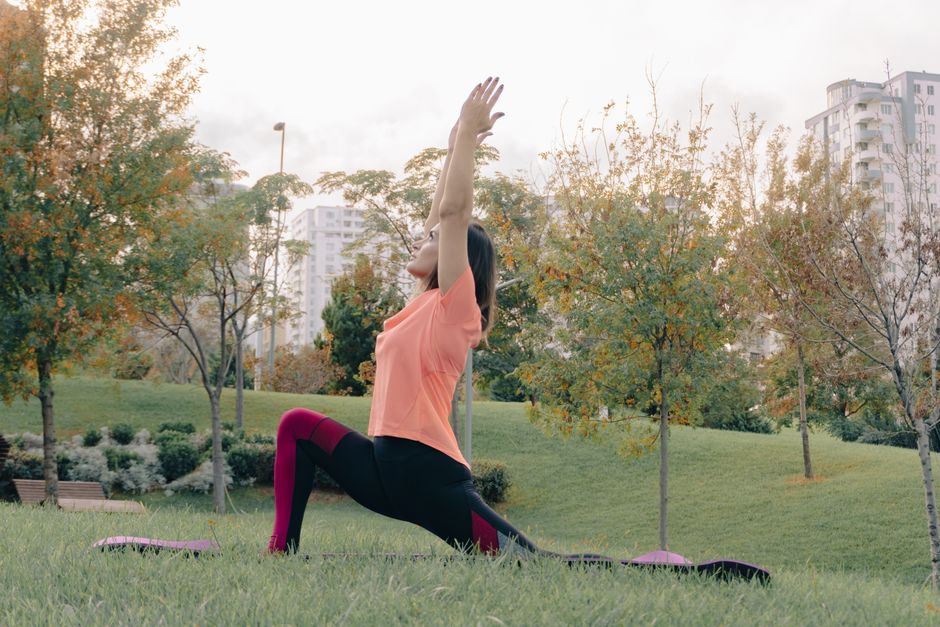
Yoga is an excellent way to enhance muscle recovery, offering a holistic approach that combines physical postures, breathing exercises, and meditation.
- Asanas (Postures): Help stretch and lengthen muscles
- Pranayama (Breathing Exercises): Enhance oxygen flow, promoting relaxation
- Meditation: Reduces stress, aiding recovery
Tracking Your Recovery Progress
Using Technology
With the advent of fitness technology, tracking your recovery has never been easier. Consider using fitness trackers and apps that monitor your sleep patterns, activity levels, and recovery metrics.
"Leverage technology to optimize your recovery process," suggests Tolani, a tech-savvy fitness enthusiast from Ibadan.
Listening to Your Body
While technology provides valuable insights, it's essential to listen to your body. Pay attention to signs of fatigue or soreness and adjust your workouts and recovery strategies accordingly.
Conclusion
Muscle recovery is a crucial component of any fitness regimen. By understanding the science behind recovery, incorporating effective techniques, and leveraging local resources, you can enhance your performance and enjoy a healthier lifestyle. Remember, recovery isn't just about taking a break; it's an integral part of the journey that ensures sustainability and success in your fitness endeavors. So, the next time you hit the gym or head out for a run, remember to prioritize your recovery as much as your workout.