In a world where we are constantly on the move, whether it’s navigating the bustling streets of Lagos or partaking in vibrant Yoruba dance routines, our muscles often bear the brunt. Muscle recovery is crucial for anyone living an active lifestyle in Nigeria, helping to boost performance and prevent injury. Understanding how to properly recuperate can make all the difference in maintaining your health and energy levels.
In this guide, we'll delve into effective muscle recovery strategies tailored for Nigerians, offering tips that fit seamlessly into your daily life. From traditional remedies to modern techniques, discover how to keep your body in peak condition.
Understanding Muscle Recovery
What is Muscle Recovery?
Muscle recovery refers to the body’s process of repairing and strengthening muscle fibers after physical exercise. This is vital for improving performance and preventing injuries.
During exercise, your muscle fibers undergo stress and small tears. Recovery is the period when your body repairs these fibers, making them stronger and more resilient.
Why is Muscle Recovery Important?
Effective muscle recovery reduces muscle soreness, prevents injuries, and improves overall performance. It allows you to consistently train without setbacks.
“Muscle recovery is the secret weapon of athletes. It’s not about how hard you train, but how well you recover.”
Best Practices for Muscle Recovery
Incorporate Rest Days
Rest days are crucial for muscle recovery. They allow your body to repair and strengthen itself without the added stress of exercise.
- Schedule regular rest days: Aim for at least one rest day per week.
- Listen to your body: If you’re feeling fatigued, it might be time for a break.
Stay Hydrated
Proper hydration aids in muscle recovery by flushing out toxins and delivering nutrients to your muscles.
- Drink plenty of water: Aim for at least 8-10 glasses a day, more if you’re exercising heavily.
- Incorporate hydrating foods: Fruits like watermelon and cucumber can help keep you hydrated.
Stretching and Yoga
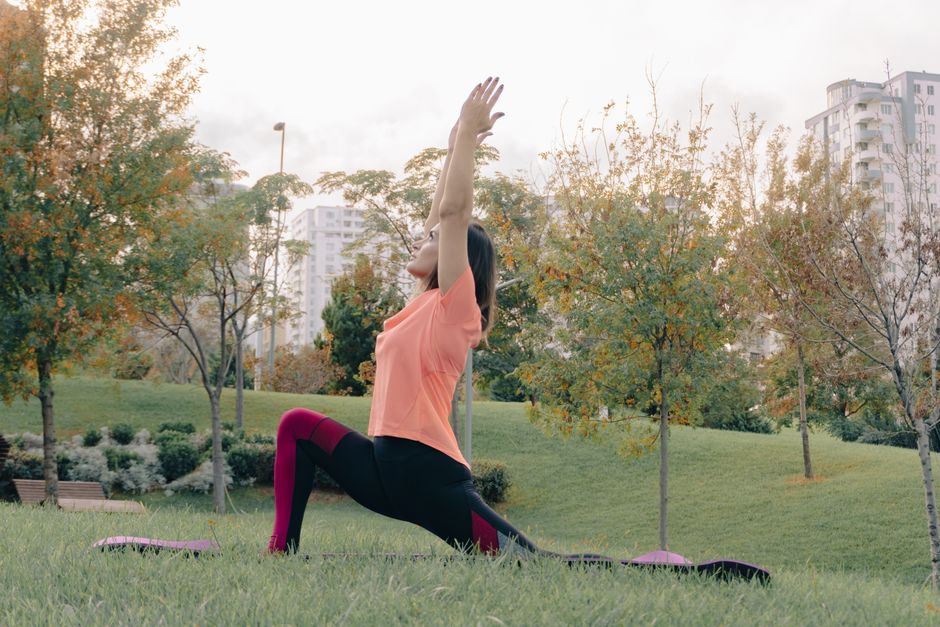
Incorporating stretching and yoga into your routine can greatly enhance muscle recovery and flexibility.
- Engage in dynamic stretching: Before workouts to prepare your muscles.
- Practice yoga: Regular sessions can improve flexibility and reduce muscle tension.
Nutrition and Muscle Recovery
Consume Protein-Rich Foods
Protein is essential for muscle repair. Consuming high-quality protein sources can aid in faster recovery.
- Include lean proteins: Such as chicken, fish, and beans in your diet.
- Try Nigerian staples: Like beans and egusi soup, which are rich in protein.
Importance of Carbohydrates
Carbohydrates replenish glycogen stores that fuel your muscles.
- Opt for complex carbs: Like brown rice, yams, and plantains.
- Balance your meals: Combine carbs with proteins for optimal recovery.
Traditional Nigerian Remedies for Recovery
Herbal Remedies
Many Nigerians turn to herbal remedies for muscle recovery, using natural ingredients available locally.
- Bitter leaf: Known for its anti-inflammatory properties, can be used in teas.
- Moringa: Rich in nutrients, supports overall muscle health.
Massage and Therapeutic Techniques
Massage can improve circulation and promote muscle recovery.
- Traditional massages: Using local oils can relax muscles and reduce soreness.
- Thermotherapy: Using heat packs to relieve muscle tension.
When to Seek Professional Help
Signs of Overtraining
It’s important to recognize when you might need professional intervention for recovery.
- Persistent muscle pain: That doesn’t improve with rest.
- Frequent injuries: Or inability to perform exercises.
Consult with a Specialist
If you’re experiencing ongoing issues, a healthcare professional can provide tailored recovery plans.
- Physiotherapists: Can offer targeted therapies and exercises.
- Dietitians: Can help optimize your nutrition for recovery.
Conclusion
Muscle recovery is a vital component of a healthy lifestyle, especially for those leading active lives in Nigeria. By incorporating effective recovery strategies, you can enhance your performance, prevent injuries, and maintain your health. Whether it’s through traditional remedies or modern techniques, prioritize your recovery to achieve your fitness goals safely.
Remember, it’s not just about how hard you push yourself, but how well you allow your body to recover and rebuild.