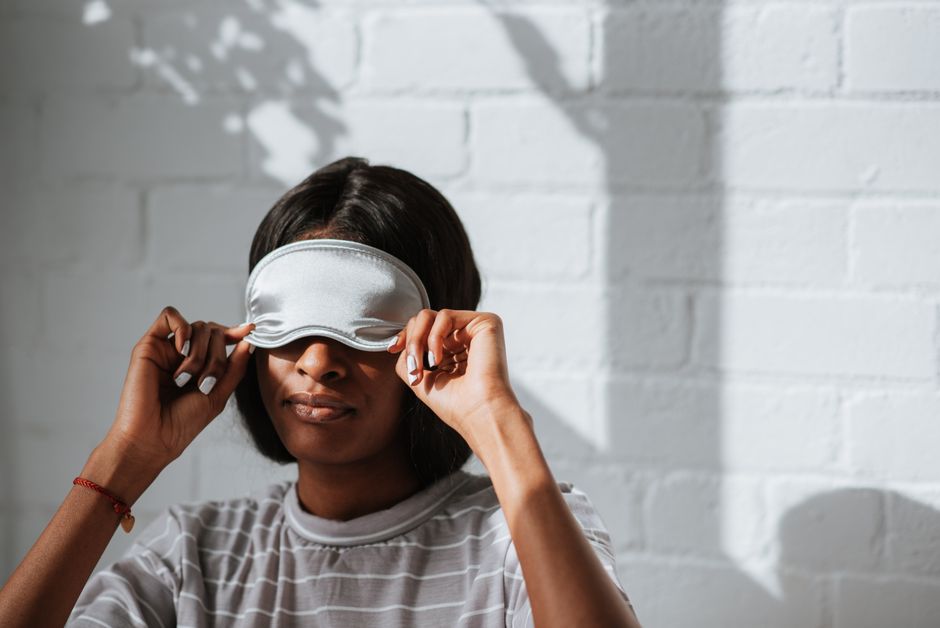
Do you find yourself scrolling through your phone late into the night, even when you know you should be sleeping? You’re not alone. Late-night phone usage is a common habit among many Nigerians, yet it’s a well-known saboteur of good sleep. Sleep is vital for our mental and physical well-being, but the allure of social media, news, or just the comforting glow of the screen can keep us awake much longer than intended.
The problem isn’t just the time lost to scrolling. It’s also about the blue light emitted by screens that tricks our brains into staying alert. This can lead to sleep deprivation, affecting everything from mood to cognitive function. Let’s dig into how this habit is harming us and, more importantly, how to kick it for good.
Understanding the Impact of Blue Light
Blue light, a type of light emitted by our screens, plays a significant role in disrupting sleep. This light affects the production of melatonin, the hormone responsible for regulating sleep-wake cycles.
Why Does Blue Light Matter?
Blue light exposure, especially before bedtime, signals your brain to stay awake. This means that checking your phone disrupts the natural sleep cycle, making it harder to fall asleep.
- Reduced Melatonin Production: Blue light interferes with the body’s ability to produce melatonin, delaying sleep and reducing sleep quality.
- Increased Alertness: The light keeps your brain stimulated, making it harder to wind down.
Recognizing how blue light affects your sleep is the first step to breaking the cycle of late-night screen time.
Common Mistake: Ignoring the Clock
Why We Keep Scrolling
Many people turn to their phones to feel connected, entertained, or informed. However, this habit often ignores the ticking clock.
The endless scroll can feel rewarding, but it’s also a time thief. Before you know it, hours have slipped by, and sleep is sacrificed.
Breaking the Cycle
- Set a Bedtime Alarm: Use your phone’s alarm feature to remind you when it’s time to put the device away.
- Create a Charging Station: Keep your phone away from your bed to reduce temptation.
- Use Night Mode: Activate blue light filters on your devices to minimize exposure.
Establishing a Healthy Night Routine
Creating a Sleep-Friendly Environment
Your bedroom should be a sanctuary for rest. Here’s how to set it up.
- Dim the Lights: Lower lighting levels as bedtime approaches to signal to your brain it’s time to wind down.
- Cool the Room: A cooler room temperature can improve sleep quality.
Beyond the physical environment, establishing a bedtime routine can prepare your body for sleep.
Relaxing Activities Before Bed
- Read a Book: Choose a book over a screen to relax your mind.
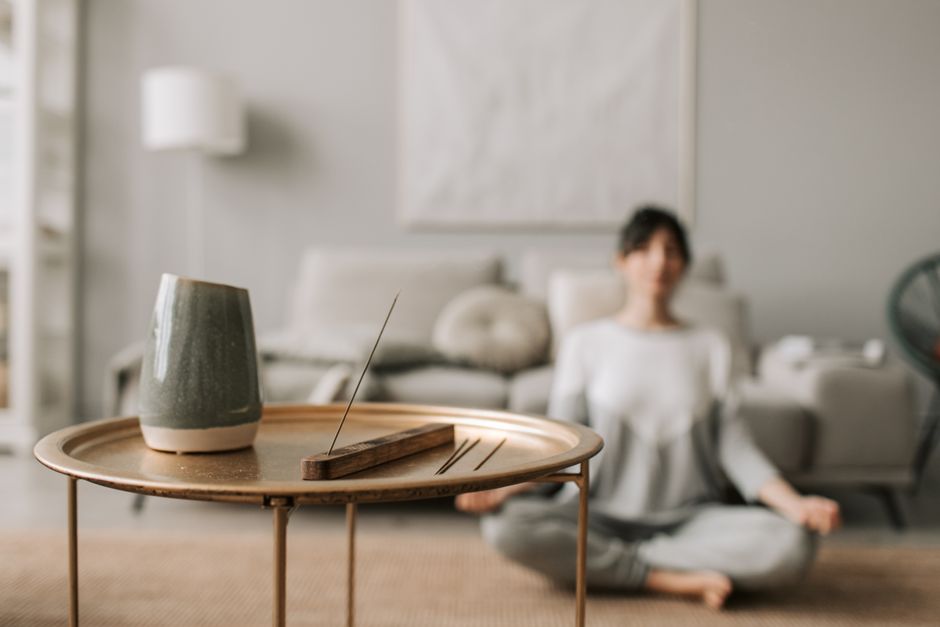
- Meditation: Practice mindfulness or breathing exercises to ease into sleep.
“Creating a sleep-friendly routine is essential for breaking the habit of late-night phone use.”
Using Technology Wisely
Apps to Help You Sleep
Ironically, some apps can encourage better sleep habits.
- Sleep Cycle: This app analyzes your sleep patterns and wakes you gently in your lightest sleep phase.
- Headspace: Offers guided meditation tailored for sleep and relaxation.
Setting Screen Limits
Most smartphones now have features that allow you to monitor and control screen time.
- Screen Time Limits: Set daily limits for app usage, particularly social media.
- Do Not Disturb Mode: Automatically silence notifications during sleep hours.
Final Thoughts
Breaking the cycle of late-night phone use is a challenge, but the rewards are profound. Better sleep leads to improved mood, enhanced cognitive performance, and overall well-being. By understanding the impact of blue light and implementing healthier habits, you can reclaim this precious time for rest and rejuvenation. Remember, small changes can make a big difference. Start tonight by putting your phone to rest before you do.