After a strenuous workout, your muscles need time and care to recover. Muscle recovery is crucial for building strength and enhancing performance, but it's often overlooked in many fitness routines. If you've ever felt sore after a session at the gym or during a football match in the bustling city of Lagos, you're not alone. Let's dive into how you can effectively recover your muscles and continue to make progress in your fitness journey.
Understanding Muscle Recovery
Muscle recovery involves several physiological processes that repair muscle fibers, replenish energy stores, and reduce inflammation. Understanding these processes can help you optimize your recovery strategy.
What Happens During Recovery?
When you exercise, you create micro-tears in your muscle fibers. During the recovery phase, your body repairs these tears, leading to stronger and larger muscles. This process isn't just about rest; it involves a combination of sleep, nutrition, and active recovery.
Why Is Recovery Important?
Effective recovery can prevent injury, reduce muscle fatigue, and improve overall athletic performance. It allows you to return to your workouts faster and with more energy, making it an essential part of any fitness regimen.
Key Strategies for Muscle Recovery
To ensure optimal recovery, incorporate a combination of strategies into your routine. Here's how you can get started:
Adequate Sleep
- Quality Sleep: Aim for 7-9 hours of uninterrupted sleep per night to allow your body to repair and rejuvenate.
- Consistent Sleep Schedule: Going to bed and waking up at the same time every day helps regulate your body's internal clock.
Nutrition and Hydration
- Protein Intake: Eat a protein-rich meal or shake post-workout to aid in muscle repair.
- Hydrate: Drink plenty of water to replace fluids lost during exercise and support metabolic functions.
Active Recovery
Engaging in low-intensity activities like walking or cycling can promote blood circulation, thereby speeding up recovery.
Stretching and Yoga for Muscle Recovery
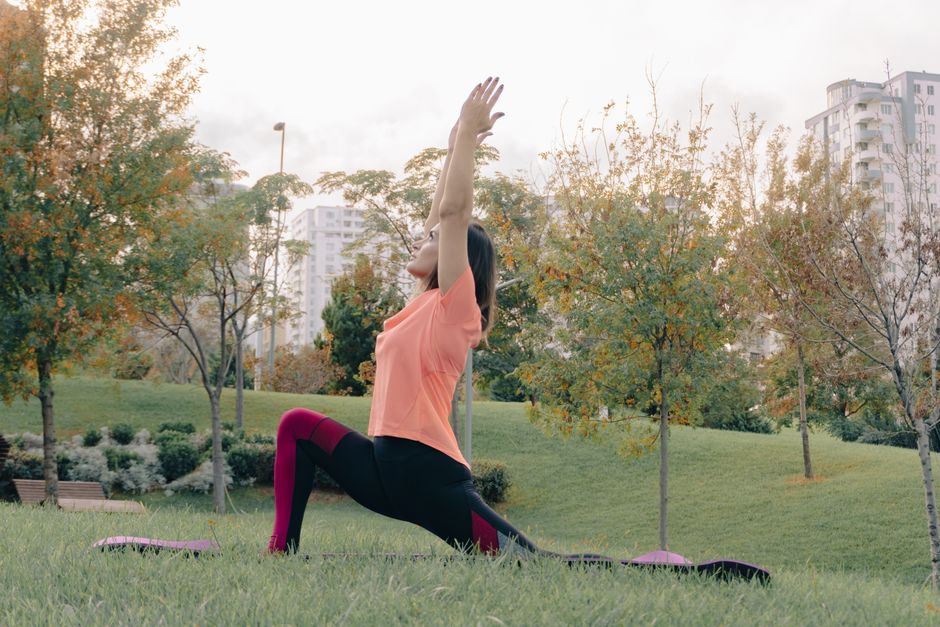
Incorporating stretching and yoga into your recovery plan can dramatically improve your flexibility and reduce stiffness.
Dynamic Stretching
- Pre-Workout: Perform dynamic stretching before your workout to prepare your muscles for exertion.
- Post-Workout: Engage in static stretches post-workout to enhance flexibility and relax your muscles.
Yoga Practices
Yoga not only aids in physical recovery but also helps reduce stress and improve mental clarity, making it a holistic approach to recovery.
Incorporating Recovery into Your Nigerian Lifestyle
Given the fast-paced lifestyle in cities like Abuja or Lagos, you might wonder how to fit recovery into your busy schedule. Here are some practical tips:
Time Management
- Schedule Recovery: Just like you plan your workouts, schedule time for recovery activities in your calendar.
- Efficient Workouts: Opt for high-intensity interval training (HIIT) to save time while still getting a comprehensive workout.
Cultural Adaptations
Adapting recovery practices to fit local culture can be beneficial. For instance, the use of local diets rich in protein and carbohydrates can support muscle recovery.
An effective recovery strategy is tailored to your individual needs and lifestyle, ensuring you can maintain balance and achieve your fitness goals.
Conclusion
Muscle recovery is a multifaceted process that requires a combination of rest, nutrition, and active recovery techniques. By incorporating these strategies into your fitness routine, you can enhance your performance, prevent injuries, and enjoy a healthier lifestyle. Whether you're navigating the busy streets of Lagos or enjoying the serene landscapes of Calabar, effective muscle recovery can keep you moving forward on your fitness journey.