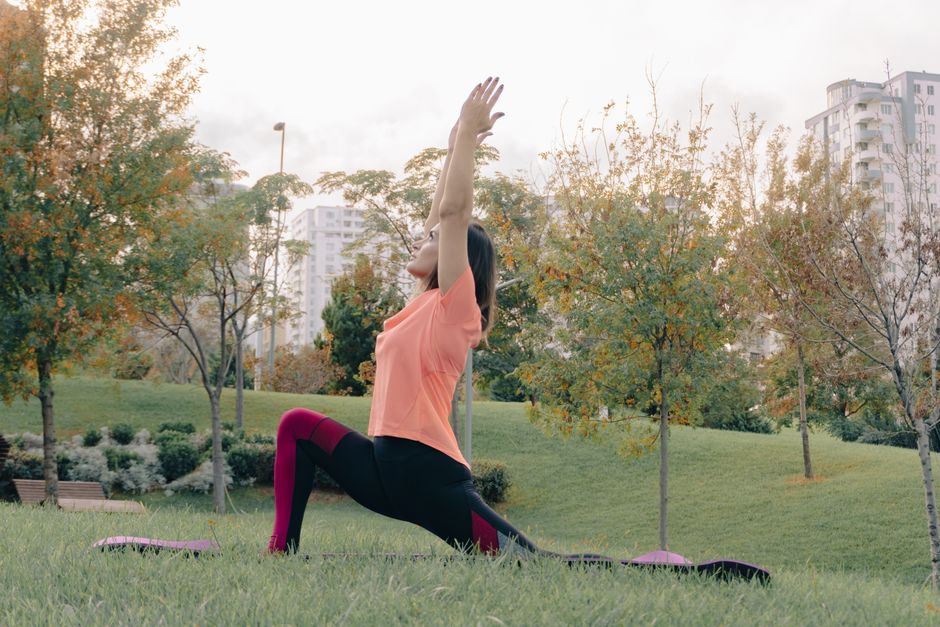
In the vibrant streets of Lagos or amidst the serene landscapes of Abuja, living an active lifestyle is both a necessity and a joy for many Nigerians. Whether you're someone who loves to jog along the bustling roads or enjoys the tranquility of a yoga session by the beach, keeping fit is a priority. But what happens when your body starts to complain? When those muscles ache a bit too much or an unexpected injury puts a halt to your routine? Fear not, for this guide is here to help you navigate the intricacies of injury prevention and muscle recovery, ensuring you stay on top of your game.
We will delve into the essentials of injury prevention techniques, explore effective muscle recovery strategies, and provide you with practical tips to integrate these into your daily life. From understanding the science behind muscle fatigue to discovering local remedies that have stood the test of time, this article covers it all. So, grab a glass of zobo, find a comfortable spot, and let's embark on this journey to better health and recovery.
Understanding Injury Prevention
Why Injury Prevention Matters
Injury prevention is crucial because it helps maintain the longevity of your physical health. Engaging in physical activities without considering potential risks can lead to significant setbacks.
Avoiding injuries not only keeps you active but also saves you from unnecessary medical expenses and time lost during recovery.
Common Injuries and Their Causes
- Sprains and Strains: Often caused by overexertion or improper technique.
- Fractures: Usually occur due to high-impact activities or accidents.
- Tendinitis: Frequently results from repetitive movements without adequate rest.
"Prevention is better than cure. Investing time in injury prevention can save months of recovery."
Effective Injury Prevention Techniques
Consider incorporating the following strategies into your routine to minimize the risk of injuries:
- Proper Warm-up: Start with gentle movements to increase blood flow and prepare your body.
- Correct Form and Technique: Learn and practice the correct form to avoid unnecessary strain on your muscles.
- Rest and Recovery: Ensure you allow adequate rest periods between workouts to facilitate muscle repair.
Exploring Muscle Recovery Strategies
Importance of Muscle Recovery
After an intense workout, muscle recovery is essential to restore strength and improve performance. It helps in reducing the chances of injury and enhances your overall fitness journey.
Effective recovery allows for muscle repair and growth, ensuring you can continue your activities with vigor.
Nutrition for Recovery
- Protein-rich Foods: Include beans, chicken, and fish to aid muscle repair.
- Hydration: Drink plenty of water and natural liquids like coconut water to keep your body hydrated.
- Vitamins and Minerals: Consume fruits and vegetables like oranges and spinach to replenish essential nutrients.
Active Recovery Techniques
Active recovery involves low-intensity activities that enhance circulation and promote healing. Examples include:
- Walking: Take leisurely walks to keep your muscles moving without overstraining them.
- Yoga and Stretching: Incorporate gentle stretches and poses to improve flexibility and relieve tension.
- Foam Rolling: Use a foam roller to massage sore muscles and improve blood flow.
Integrating Local Practices for Better Health
Traditional Remedies
Nigerian culture is rich with traditional practices that can aid in injury prevention and recovery. Some popular remedies include:
- Shea Butter Application: Known for its anti-inflammatory properties, shea butter can be massaged into sore muscles.
- Herbal Teas: Teas made from African herbs like moringa can boost immunity and aid recovery.
"Embrace the wisdom of our ancestors, blending modern science with traditional healing for optimal health."
Community Support and Group Activities
Joining local exercise groups or wellness communities can provide a support system to keep you motivated.
Participating in group activities not only encourages consistency but also offers an opportunity to learn new techniques from peers.
Developing a Personalized Plan
Assessing Your Needs
Evaluate your current fitness level and identify areas needing improvement. This helps tailor your injury prevention and recovery plan.
Setting Achievable Goals
Establish realistic goals that align with your lifestyle and fitness objectives, ensuring you stay motivated and on track.
Tracking Progress
Keep a journal or use apps to monitor your progress. Reflecting on your achievements can provide motivation and highlight areas for adjustment.
Conclusion
Embarking on a journey of injury prevention and muscle recovery is an investment in your long-term health and well-being. By understanding your body's needs and integrating effective strategies, you can enjoy the benefits of an active lifestyle while minimizing risks. Remember, the path to recovery is unique for everyone, so listen to your body and give it the care it deserves. With these insights, you're well-equipped to embrace a healthier, more active life with confidence.