In our fast-paced world, the importance of injury prevention and recovery cannot be overstated. Whether you're an athlete, a farmer in the bustling fields of Kaduna, or someone who enjoys the occasional game of football, injuries can be an unfortunate part of life. The key lies in how we prevent them and manage recovery if they occur. In this comprehensive guide, we'll delve into practical strategies, drawing on insights tailored for Nigerian lifestyles.
Injury prevention and recovery are crucial because they influence not just our physical well-being but also our mental health and productivity. Imagine a teacher in Lagos who sprains an ankle; the ripple effect impacts their ability to stand and teach, ultimately affecting students. Thus, understanding how to prevent and recover from injuries is beneficial for everyone.
We will focus on practical, evidence-based strategies that are easy to implement in everyday Nigerian life. From the bustling streets of Lagos to the serene landscapes of Enugu, these tips are designed to keep everyone safe, active, and healthy.
Common Types of Injuries and Their Causes
Understanding the Basics
Before diving into prevention techniques, it's essential to understand the types of injuries that are most common. In Nigeria, injuries often result from accidents, sports activities, or occupational hazards. Common injuries include sprains, strains, fractures, and cuts.
Sports-Related Injuries
Sports are a significant part of Nigerian culture, whether it's football, athletics, or traditional wrestling. Unfortunately, these activities can lead to injuries like sprained ankles, torn ligaments, and muscle strains.
Work-Related Injuries
Many Nigerians engage in labor-intensive jobs, which can lead to work-related injuries. Back pain from lifting heavy objects or repetitive strain injuries from manual labor are not uncommon.
Effective Strategies for Injury Prevention
Warm-Up and Cool Down
One of the simplest yet most effective ways to prevent injuries is by incorporating proper warm-up and cool-down routines. A warm-up increases blood flow to the muscles, enhancing flexibility and readiness for physical activities.
- Start with light aerobic exercises like jogging or skipping.
- Incorporate dynamic stretches targeting major muscle groups.
- After activities, cool down with static stretches to prevent stiffness.
Use of Protective Gear
Protective gear like helmets, knee pads, and wrist guards are essential, especially in sports and certain occupations. Ensure that gear fits properly and is regularly maintained.
Education and Training
Understanding the correct techniques for sports and work-related tasks can significantly reduce the risk of injury. Attend workshops or training sessions when available and encourage others to do the same.
Nutrition and Lifestyle for Injury Recovery
Balanced Diet for Healing
A balanced diet rich in vitamins and minerals can accelerate the healing process. Foods such as leafy greens, lean proteins, and fruits are vital in providing the necessary nutrients for recovery.
- Include vitamin C-rich foods like oranges and tomatoes to aid tissue repair.
- Consume calcium from sources like milk and yogurt for bone healing.
Hydration and Rest
Hydration plays a crucial role in recovery by helping maintain cellular functions and flushing out toxins. Equally important is rest. Giving the body adequate time to repair itself is essential for complete recovery.
"Rest is not idleness, but a necessity for healing."
Incorporating Stretching and Strengthening Exercises
Stretching for Flexibility
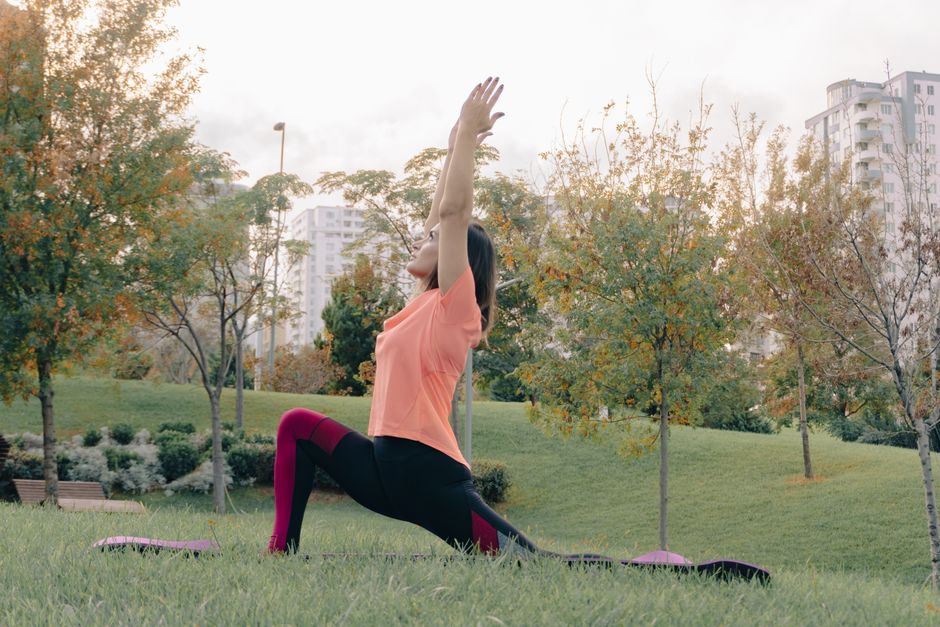
Regular stretching can improve flexibility, reduce muscle tension, and increase range of motion—all critical in preventing future injuries. Yoga is a fantastic way to incorporate stretching while promoting mental peace.
Strengthening Exercises
Building strength, especially in core muscles, can provide better support and stability. Incorporate exercises like planks and squats into your routine.
"Strong muscles are a protective shield against injuries."
When to Seek Professional Help
Signs You Shouldn't Ignore
While many injuries can be managed at home, some require medical attention. Severe pain, swelling, or inability to move a body part indicates the need for professional assessment.
Choosing the Right Healthcare Provider
In Nigeria, accessing quality healthcare can sometimes be challenging. Seek a qualified physiotherapist or orthopedic specialist who understands your needs and can provide personalized care.
Conclusion
Injury prevention and recovery are vital aspects of maintaining a healthy lifestyle. With the right strategies, from proper warm-ups to balanced nutrition, we can all enjoy our daily activities with reduced risk. Remember, prevention is always better than cure, and when injuries do occur, a structured recovery plan can make all the difference. Stay informed, stay prepared, and embrace a life of health and activity.