Injuries can be a significant setback in anyone's fitness journey, regardless of the level of expertise. In Nigeria, where sports and physical activities are a major part of life, from football on the streets to dancing at cultural festivals, staying injury-free is crucial. Injury prevention isn't just about avoiding the pain; it's about maintaining the joy of movement and ensuring long-term health. In this comprehensive guide, we'll explore practical tips and strategies tailored for Nigerians, helping you to stay active and injury-free.
Whether you're a weekend warrior or a professional athlete, understanding how to prevent injuries can make all the difference. From simple warm-up routines to the importance of proper footwear, our focus will be on relatable, actionable advice. So, let's dive into the world of injury prevention and empower you to enjoy your favorite activities with confidence.
Understanding Common Injuries
Types of Common Injuries in Nigeria
In Nigeria, common injuries vary depending on the activity. Footballers often face knee injuries, while dancers may suffer from ankle sprains. Understanding the types of injuries common in your activity can help in prevention.
- Ankle Sprains - These are often the result of sudden twists and turns.
- Knee Injuries - Common among runners and footballers due to repetitive stress.
- Back Pain - Frequent among those who lift heavy objects or have poor posture.
Causes of Injuries
Injuries can result from various factors, including poor technique, inadequate equipment, and overtraining. Understanding these causes is the first step in prevention.
"Prevention is better than cure, especially when it comes to injuries that can disrupt your daily life and physical activities."
Essential Warm-Up and Cool-Down Exercises
The Importance of Warming Up
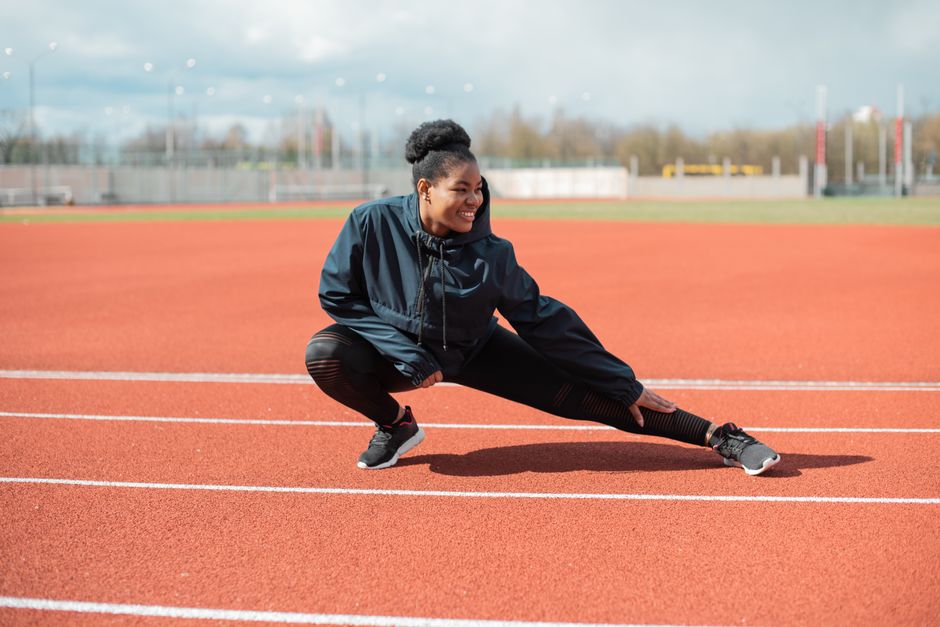
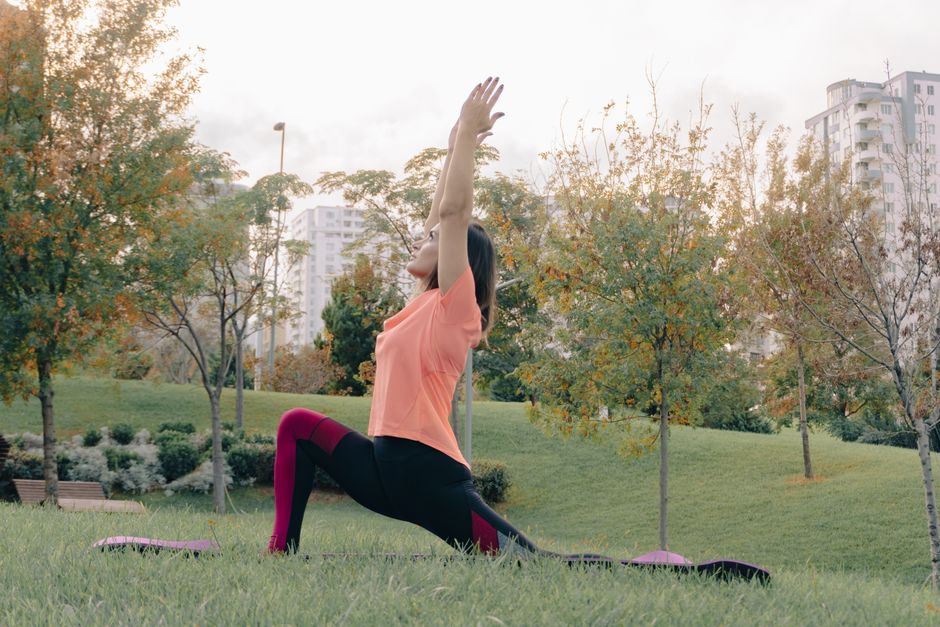
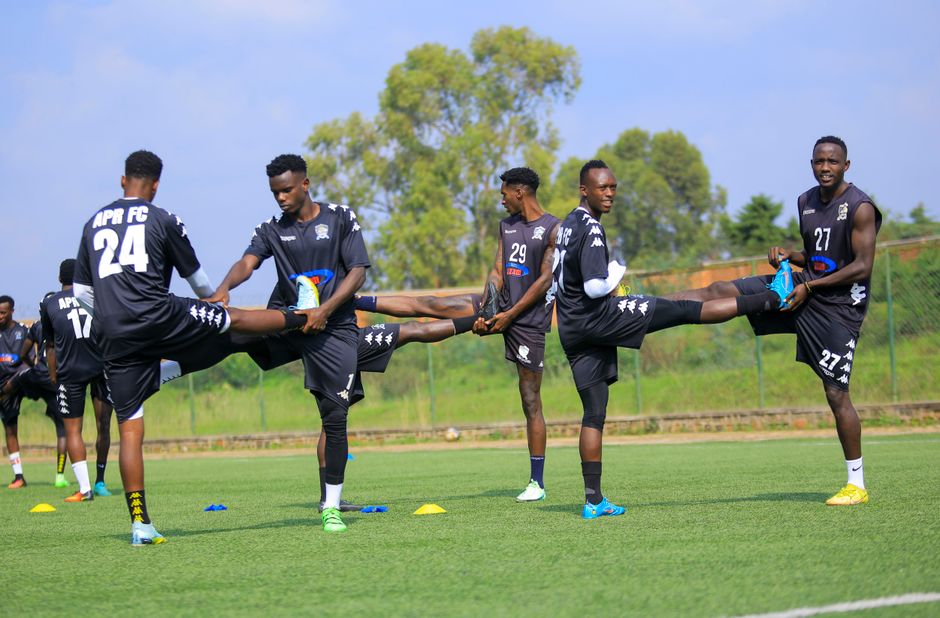
Warming up is crucial because it increases blood flow to muscles, which reduces the risk of injury. A proper warm-up should last about 10-15 minutes and include dynamic stretching.
Effective Cool-Down Techniques
Cooling down helps your body recover and return to a resting state. It usually involves gentle exercises and static stretching to prevent muscle stiffness.
- Dynamic Stretching - Examples include leg swings and arm circles.
- Static Stretching - Focus on holding stretches to release tension.
- Breathing Exercises - Helps in calming the body and reducing stress.
Choosing the Right Equipment
Importance of Proper Footwear
The right footwear is essential for injury prevention. It provides support and reduces the impact on your joints. Consider the surface you'll be exercising on and choose shoes accordingly.
Using Protective Gear
In sports like football or cycling, using protective gear like shin guards or helmets can prevent serious injuries. Always ensure that the gear fits properly and is in good condition.
"Investing in quality gear might seem expensive initially, but it saves you from long-term injury costs."
Listening to Your Body
Recognizing Signs of Overtraining
Overtraining can lead to burnout and injuries. Listen to your body for signs like persistent fatigue, irritability, and decreased performance.
Rest and Recovery
Rest days are essential as they allow your body to repair and strengthen itself. Make sure to get adequate sleep and hydration to support recovery.
- Sleep - Aim for 7-9 hours of quality sleep each night.
- Hydration - Drink enough water, especially in Nigeria's hot climate.
- Nutrition - A balanced diet supports muscle repair.
Conclusion
Injury prevention is a crucial aspect of maintaining an active and healthy lifestyle in Nigeria. By understanding common injuries, practicing proper warm-up and cool-down routines, choosing the right equipment, and listening to your body, you can significantly reduce the risk of injury. Remember, the goal is not just to avoid pain but to enjoy activities that bring you joy and health. Empower your fitness journey with these strategies and continue to thrive in your active pursuits. Stay safe, stay strong!