Injury prevention is a crucial aspect of maintaining a healthy lifestyle, especially in Nigeria where daily activities can sometimes pose unexpected risks. Whether you're navigating the bustling streets of Lagos or enjoying a rural jog, being mindful of potential hazards is key. This guide will equip you with practical strategies to stay injury-free, ensuring you can enjoy life’s adventures without setbacks.
From understanding the importance of proper footwear to adjusting your workout routines, we’ll walk through effective methods to protect yourself. Let’s delve into the world of injury prevention, with a focus on solutions that resonate with the Nigerian context.
Understanding Common Injuries in Nigeria
Everyday Risks
Living in Nigeria means facing unique challenges that can lead to injuries. Common sources of everyday risks include poorly maintained roads and crowded public transportation. Being aware of these hazards is the first step towards prevention.
Sports and Exercise Injuries
Sports are a popular pastime in Nigeria, from football to athletics. However, without proper precautions, injuries such as sprains and strains are common. Understanding how to prepare and protect your body is essential.
"Prevention is better than cure. Taking small, consistent steps in daily activities can significantly reduce injury risks."
Practical Tips for Injury Prevention
Choose the Right Footwear
Wearing appropriate shoes that provide adequate support is critical, particularly on uneven terrains. Invest in quality footwear that suits your activity level and environment.
Warm-Up and Cool Down
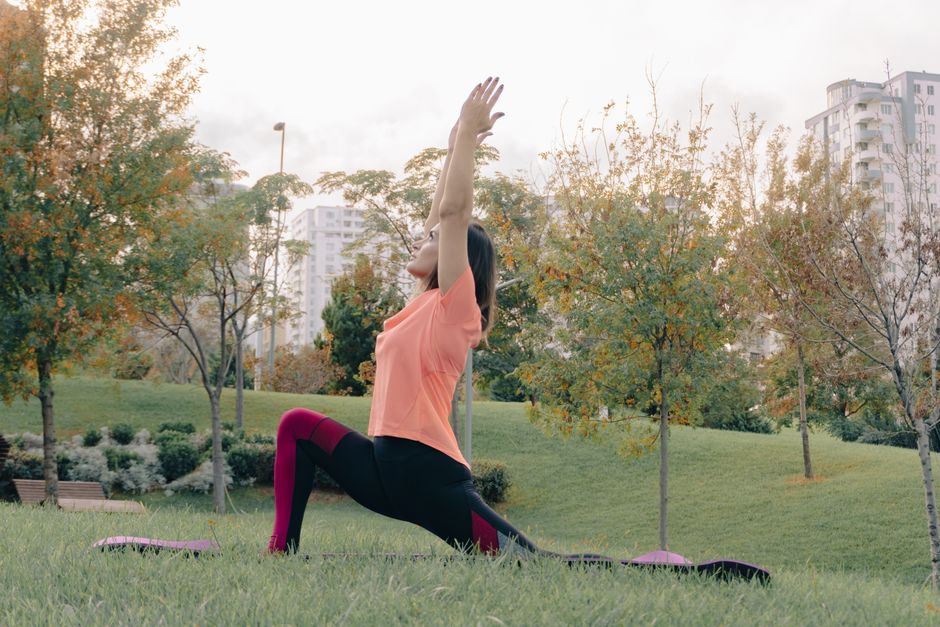
A proper warm-up before any physical activity increases blood flow and makes muscles more pliable, reducing injury risk. Cooling down helps muscles recover and reduces stiffness.
- Start with light cardio exercises to increase heart rate gradually.
- Incorporate dynamic stretches to improve flexibility.
- End exercises with static stretches to ease muscle tension.
Strengthening Exercises
Incorporating strength training into your routine can fortify muscles and joints, decreasing the likelihood of injuries during physical activities.
- Focus on core strengthening to improve balance and stability.
- Include exercises that target major muscle groups like squats and lunges.
- Perform exercises at least twice a week for optimal results.
Environmental Considerations
Adapt to Your Surroundings
In Nigeria, weather conditions like intense heat or rain can impact safety. Tailoring your activities to suit environmental conditions can prevent injuries.
During the rainy season, for example, be cautious of slippery surfaces and reduce outdoor activities when the sun is at its peak to avoid heat exhaustion.
Home Safety Measures
Accidents can also happen at home. Implementing simple safety measures such as using non-slip mats in the bathroom and securing loose wires can prevent falls and injuries.
Nutrition and Hydration
The Role of Diet in Injury Prevention
A balanced diet rich in essential nutrients strengthens the body and supports recovery, making it less susceptible to injuries.
Include foods high in calcium and vitamin D for bone health, and ensure a mix of proteins and carbohydrates for muscle repair and energy.
Hydration is Key
Staying hydrated is crucial, especially in Nigeria’s often hot climate. Proper hydration maintains muscle function and reduces the risk of cramps and strains.
- Drink water consistently throughout the day, not just when thirsty.
- Consider hydration supplements during intense physical exertion.
Final Thoughts
Injury prevention requires a proactive approach, integrating mindful practices into everyday life. By understanding common risks and implementing practical prevention strategies, you can significantly reduce your risk of injury and enjoy a healthier, more active lifestyle. Remember, the small daily habits often have the most significant impact on long-term health.