In the bustling streets of Lagos or the serene landscapes of Jos, staying active is a vital part of daily life. Whether you're an athlete, a fitness enthusiast, or simply someone who enjoys a morning walk, understanding muscle recovery is essential for maintaining health and optimizing performance. Muscle recovery is not just for athletes; it is crucial for anyone engaging in physical activity. In this guide, we'll dive into effective strategies for muscle recovery that are both practical and tailored to the Nigerian way of life.
Muscle recovery involves the body’s process of repairing muscle tissues after exercise, reducing soreness, and preparing muscles for future exertion. Neglecting recovery can lead to persistent soreness, fatigue, and even injury. Fortunately, there are numerous strategies you can employ to enhance recovery, keeping you in the best shape possible.
The Importance of Muscle Recovery
Understanding why muscle recovery is important is the first step in incorporating effective recovery strategies into your routine. When you exercise, especially during intense workouts, your muscle fibers undergo microscopic tears. Recovery is the process through which your body repairs these fibers, leading to muscle growth and increased strength.
Enhancing Performance
By prioritizing muscle recovery, you’re not only taking care of your current workout but also enhancing your future performance. When your muscles are fully recovered, they’re stronger, allowing you to push harder and achieve better results.
Preventing Injuries
Inadequate recovery can lead to overuse injuries such as strains and sprains. Incorporating proper recovery techniques minimizes the risk of injuries, ensuring you stay active and healthy.
“A well-recovered muscle is a strong muscle ready to take on new challenges.”
Effective Muscle Recovery Techniques
There are several methods you can adopt to facilitate muscle recovery. These techniques are practical and can easily be integrated into your daily routine, whether you live in the bustling cities or the tranquil countryside of Nigeria.
Nutrition and Hydration
What you eat and drink significantly affects your muscle recovery. Consuming the right nutrients after a workout can speed up recovery time.
- Protein: Essential for repairing and building muscle tissues. Include sources like beans, eggs, or chicken in your meals.
- Carbohydrates: Help replenish energy stores. Consider whole grains or local favorites like yam and plantain.
- Hydration: Drink sufficient water to replace fluids lost through sweat, especially in Nigeria’s warm climate.
Rest and Sleep
Getting enough rest and quality sleep is crucial for effective muscle recovery. Sleep is when most of the muscle repair and growth happens.
Aim for 7-9 hours of sleep per night. A good night's sleep can significantly accelerate the recovery process, allowing you to be ready for your next workout.
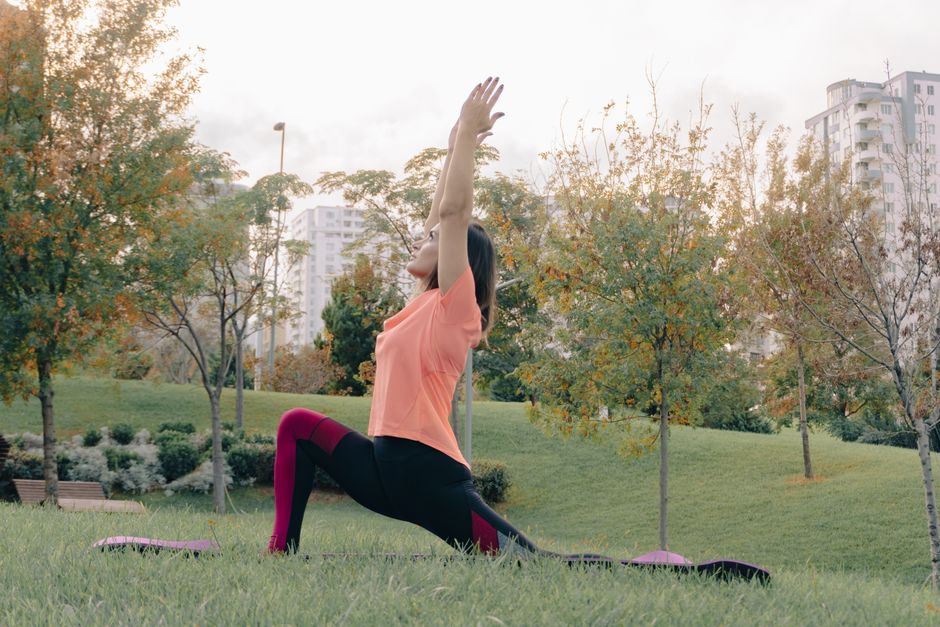
Stretching and Yoga
Incorporating stretching and yoga into your routine can enhance flexibility, reduce muscle tension, and promote blood flow to the muscles.
- Dynamic Stretching: Best before workouts to prepare muscles.
- Static Stretching: Ideal post-workout to relax muscles.
- Yoga: Practices like Iyengar or Hatha can be beneficial for recovery.
Active Recovery
Active recovery involves low-intensity exercises that keep the blood flowing without taxing your muscles.
- Consider a leisurely walk in a local park or a gentle bike ride through the neighborhood.
- Swimming is another excellent option, providing full-body engagement while minimizing stress on joints.
Common Muscle Recovery Myths
In the age of the internet, myths about muscle recovery abound. Let’s debunk some common misconceptions that might be holding you back.
“No Pain, No Gain”
This saying encourages pushing through pain, but it can lead to injuries. Listen to your body and rest as needed.
Stretching Alone is Enough
While stretching is important, it should be part of a comprehensive recovery plan including nutrition, sleep, and hydration.
Listening to Your Body
Learning to listen to your body is perhaps the most crucial aspect of recovery. Your body will often signal when something is wrong or when it needs more rest.
Pay attention to persistent soreness or fatigue and adjust your routine accordingly. It might mean taking a day off or focusing more on nutrition or sleep.
“Recovery is not a one-size-fits-all process; it requires patience and attention to your body’s signals.”
Conclusion
Muscle recovery is an integral part of any fitness routine. By incorporating these strategies, you can enhance performance, prevent injuries, and maintain a healthy lifestyle. From the vibrant cityscapes to the lush countryside of Nigeria, these tips are adaptable to any setting. Remember, the journey to fitness is not just about exertion but also about recovery. As you strive for your health goals, prioritize recovery as much as the activity itself for a holistic approach to wellness.