In Nigeria, the hustle and bustle of daily life often means that there's little time left for rest and recovery. Whether you're a weekend footballer or regularly hitting the gym, muscle recovery is an essential part of any fitness routine. Effective recovery helps to prevent injuries, enhance performance, and improve overall health. Let's dive into some practical strategies specifically tailored for Nigerians to ensure you recover like a pro.
Understanding Muscle Recovery
Muscle recovery isn't just about taking a day off. It's a comprehensive process that ensures your muscles heal, grow, and become stronger. This involves a combination of rest, nutrition, hydration, and active recovery techniques.
The Importance of Rest
Rest is crucial for muscle recovery. When you exercise, microscopic tears occur in your muscle fibers. It's during rest that these fibers repair and grow stronger. Adequate sleep is particularly vital, as this is when most recovery processes happen.
Hydration and Nutrition
Staying hydrated is key to muscle recovery. Water helps transport nutrients to your muscles and aids in the removal of toxins. Pair hydration with a balanced diet rich in proteins, carbohydrates, and healthy fats to fuel recovery.
- Proteins are the building blocks of muscle repair.
- Carbohydrates replenish glycogen stores that fuel your workouts.
- Healthy fats support overall cellular health and function.
Effective Stretching Techniques
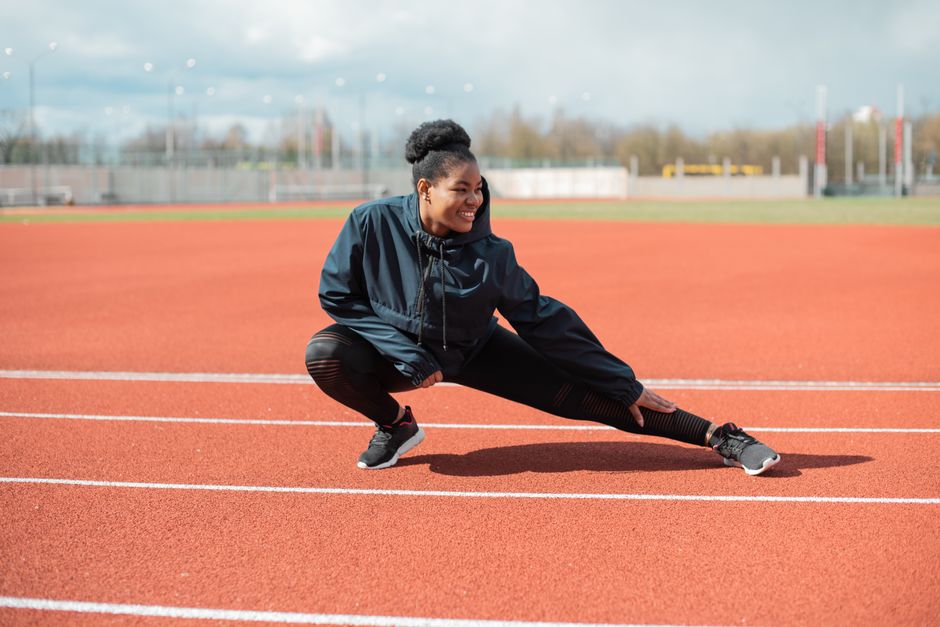
Stretching is a fantastic way to enhance muscle recovery. Not only does it improve flexibility, but it also increases blood flow to your muscles, speeding up the recovery process.
Dynamic vs. Static Stretching
Dynamic stretching involves movement-based stretches that prepare your muscles for activity. Examples include leg swings and arm circles.
Static stretching involves holding a stretch for 20-30 seconds. This is particularly beneficial post-workout to help relax your muscles.
"Stretching daily can significantly reduce muscle soreness and improve your range of motion."
Active Recovery Practices
Active recovery is about engaging in low-intensity exercises to promote blood flow and reduce muscle stiffness without placing additional strain on your body. Think of activities like walking, cycling, or swimming.
Incorporating Yoga
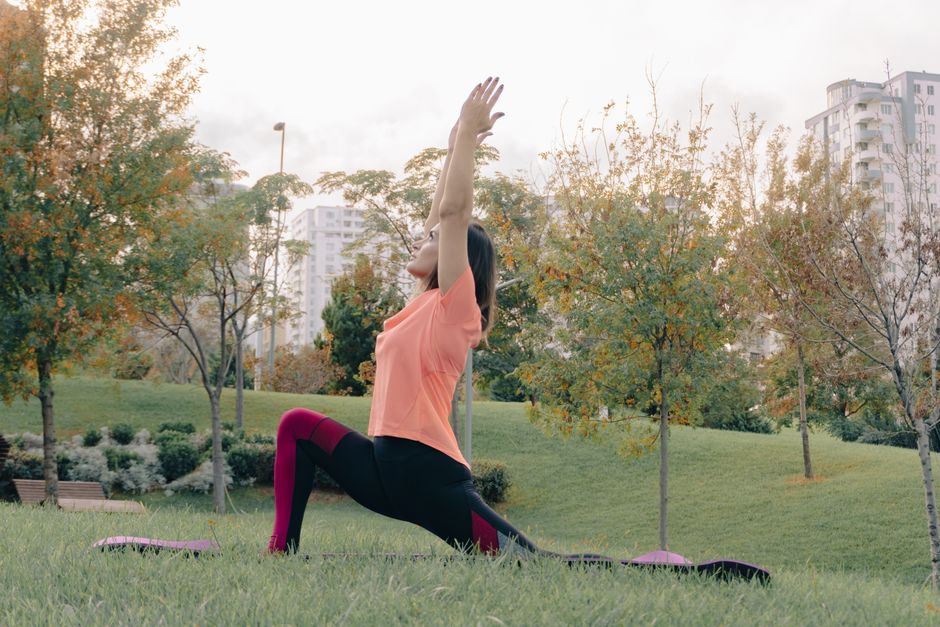
Yoga offers a unique blend of stretching, strength, and mindfulness. It's an excellent way to unwind while promoting muscle recovery. Try poses like the downward dog or child's pose to stretch multiple muscle groups.
Preventing Overtraining
Overtraining can lead to burnout and increase the risk of injury. It's important to listen to your body and incorporate rest days into your routine. Consider rotating different muscle groups to allow adequate recovery time.
Signs of Overtraining
- Persistent muscle soreness
- Increased susceptibility to colds and infections
- Decreased performance
- Fatigue
If you experience any of these symptoms, it may be time to adjust your training routine.
Final Thoughts
Muscle recovery is an ongoing process that requires attention to detail and consistency. By implementing these strategies, you can enhance your recovery, avoid injuries, and perform at your best. Remember, every body is different, so take the time to understand what works best for you.