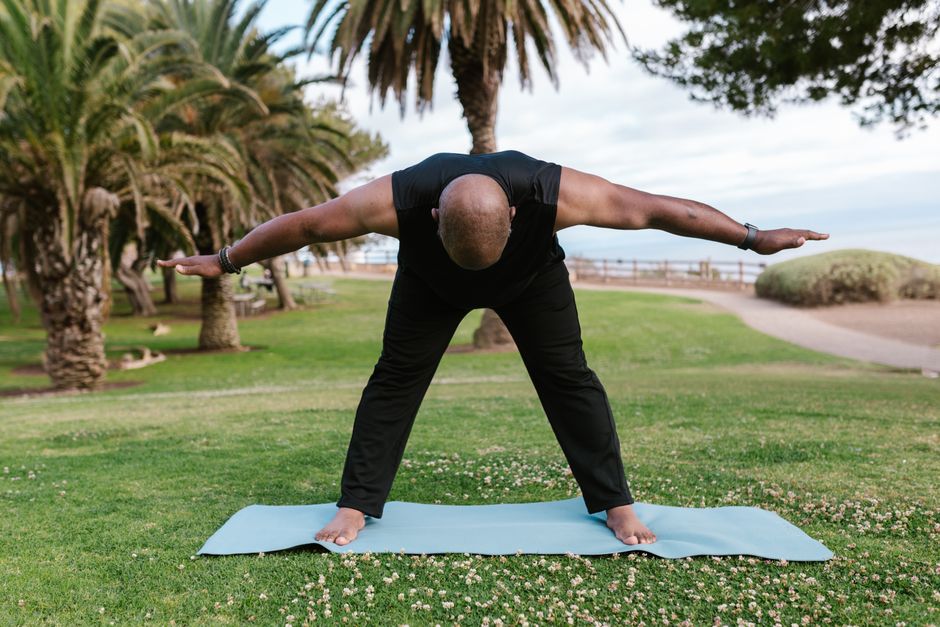
In the hustle and bustle of Nigeria's fast-paced lifestyle, whether you're an athlete, a fitness enthusiast, or someone who occasionally hits the gym, muscle recovery is crucial. The importance of allowing your muscles to recover cannot be overstated. It enhances performance, prevents injuries, and improves overall well-being. In this comprehensive guide, we'll explore the best practices for muscle recovery, tailored specifically for Nigerians.
Muscle recovery isn't just about resting; it's about understanding your body's needs and responding to them effectively. From Lagos' vibrant streets to the serene countryside, individuals from all walks of life can benefit from these insights. Let's dive into the techniques that can transform your recovery routine and help you make the most of your workouts.
Understanding Muscle Recovery
Before diving into specific techniques, it's essential to understand what muscle recovery entails. When you exercise, especially during intense physical activity, your muscle fibers experience micro-tears. Recovery is the process by which these fibers repair and grow stronger.
The Science Behind Muscle Recovery
Muscle recovery is not just a passive process. It's an active phase requiring adequate nutrition, hydration, and rest. After a workout, your body enters a phase called 'anabolic state,' where it starts repairing the damaged tissue. This phase is crucial for muscle growth and strength.
"Recovery is the bridge that connects consistent training to consistently improved performance." – Expert Trainer
Signs Your Muscles Need Recovery
- Persistent soreness beyond 72 hours
- Decreased performance in subsequent workouts
- Fatigue and lack of motivation
- Joint stiffness
Effective Muscle Recovery Strategies
Now that we understand the basics, let's explore strategies that will aid in effective muscle recovery.
Nutrition and Hydration
Proper nutrition plays a pivotal role in muscle recovery. Consuming a balanced diet rich in proteins, carbohydrates, and healthy fats is essential.
- Proteins: Proteins are the building blocks of muscle repair. Incorporate sources like fish, chicken, eggs, and legumes.
- Carbohydrates: Carbs replenish glycogen stores. Opt for whole grains, sweet potatoes, and fruits.
- Hydration: Water aids in transporting nutrients throughout the body. Aim to drink at least 8 cups of water daily, adjusting for climate and activity level.
Active Recovery Techniques
Active recovery includes low-intensity exercises that keep the blood flowing without straining the muscles.
- Walking: A simple walk can do wonders. Try a stroll through your local park or around your neighborhood.
- Swimming: Swimming is excellent for full-body recovery without stressing the joints.
- Yoga: Yoga not only stretches muscles but also promotes mental relaxation. Consider joining a local class or following online tutorials tailored for Nigerians.
Massage and Foam Rolling
Massage helps reduce muscle tension and improve blood circulation, while foam rolling acts as self-myofascial release, breaking up tight spots.
"Consistent massage therapy can significantly reduce recovery time and muscle soreness." – Massage Therapist
The Role of Rest and Sleep
Sleep is a powerful recovery tool. During deep sleep stages, your body releases growth hormones that aid in tissue repair.
Optimizing Your Sleep Environment
- Ensure a comfortable mattress and pillow.
- Maintain a cool, dark room to promote better sleep quality.
- Establish a regular sleep schedule to regulate your internal clock.
Power Naps for Recovery
Short naps of 20-30 minutes can rejuvenate the body, improve alertness, and enhance performance.
Benefits of Stretching for Muscle Recovery
Stretching is often overlooked but is vital in preventing injuries and aiding recovery.
Dynamic vs. Static Stretching
- Dynamic Stretching: Best before workouts to warm up muscles.
- Static Stretching: Ideal post-workout to relax muscles.
Incorporate stretches that target major muscle groups used in your workouts to improve flexibility and reduce stiffness.
Final Thoughts
Embracing a comprehensive approach to muscle recovery can significantly enhance your physical performance and overall health. By incorporating these strategies into your routine, whether you're navigating the busy streets of Lagos or enjoying the tranquility of a rural community, you can ensure your muscles are recuperating effectively. Remember, recovery is as important as the workout itself, playing a crucial role in achieving your fitness goals.