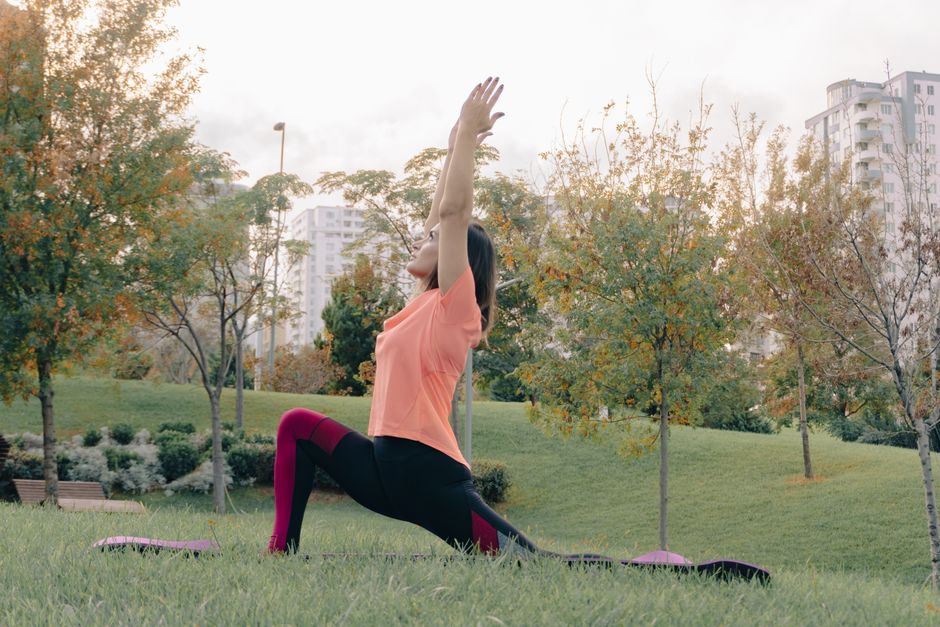
After an intense workout session or a long day filled with physical activity, your muscles deserve a break. Muscle recovery is not just a trend among athletes; it's an essential process for anyone looking to maintain or improve their physical performance. Whether you're an office worker navigating the hustle and bustle of Lagos or a student juggling academics and sports, understanding how to recover your muscles is crucial. In this guide, we'll explore practical muscle recovery techniques, specifically tailored for the Nigerian lifestyle.
The secret to effective muscle recovery lies in understanding your body's needs and responding to them appropriately. From traditional remedies to scientifically-backed techniques, there are numerous methods to aid your recovery process. Let's dive into these strategies, ensuring you can keep moving forward stronger and healthier.
Understanding Muscle Recovery
Muscle recovery is the process your body goes through to repair muscle fibers after they have been stressed during a workout or physical activity. This process is crucial because it allows your muscles to grow stronger and more resilient over time. But how exactly does this work?
The Science Behind Muscle Recovery
When you engage in physical exercise, especially resistance training, tiny tears occur in your muscle fibers. This might sound harmful, but it's a natural and necessary process for muscle growth. Your body repairs these tears by fusing muscle fibers together, which increases the mass and size of the muscles, a process known as hypertrophy.
Your muscles need adequate rest and nutrients to repair and come back stronger. Without proper recovery, you risk overtraining and injury.
The Stages of Muscle Recovery
Muscle recovery can be broken down into three main stages:
- Inflammation: Shortly after exercise, your body begins the process by delivering nutrients and oxygen to your muscles through increased blood flow.
- Repair: Over the next 24 to 48 hours, your body repairs muscle fibers using amino acids from protein intake.
- Remodeling: During this phase, your muscles adapt to handle the stress better, which involves strengthening and growing muscle tissues.
Effective Muscle Recovery Techniques
Prioritize Quality Sleep
Sleep is often underestimated in muscle recovery. It’s during sleep that growth hormone is released, aiding tissue growth and muscle repair. Aim for 7-9 hours of quality sleep each night to support recovery.
"Sleep is the best meditation." - Dalai Lama
Nutrition and Hydration
Protein: Consuming adequate protein is essential for muscle repair. Include sources like beans, fish, and poultry in your diet.
Hydration: Dehydration can hinder muscle recovery. Ensure you consume enough water throughout the day. In Nigeria’s hot climate, this is especially crucial.
Active Recovery
This involves low-intensity exercises that boost blood circulation without stressing the muscles. Activities like walking or cycling at a leisurely pace can promote recovery.
- Gentle yoga sessions
- Leisurely walks
- Light cycling
Incorporating Traditional Nigerian Remedies
Nigerian culture is rich with traditional remedies that can aid muscle recovery. Here are some that are worth exploring:
Heat Therapy with Hot Packs
Using hot packs or warm compresses can increase blood flow to sore muscles, promoting quicker recovery. This age-old remedy is simple and effective.
Herbal Teas
Herbal teas made from ingredients like ginger or moringa can reduce inflammation and muscle soreness. These teas not only aid recovery but also offer a moment to relax and unwind.
Prevention as Part of Recovery
Recovery is not just about what you do after exercise; it starts before you even begin your workout. Here are some preventative measures:
Proper Warm-Up
A good warm-up prepares your muscles and joints for movement, reducing the risk of strain. Consider dynamic stretches or light cardio exercises.
Cooldown Routine
Cooling down is just as important as warming up. It gradually lowers your heart rate and helps prevent stiffness. Incorporate static stretches into your cooldown routine.
Conclusion
Optimizing muscle recovery is about listening to your body’s needs and responding with care. By combining scientific methods with traditional remedies, you can enhance your recovery process. Whether you're navigating the busy streets of Abuja or relaxing by the coast in Calabar, the principles of muscle recovery remain the same. Remember, the time and effort you invest in recovery will pay off, allowing you to perform at your best every day.