After a grueling workout, it might be tempting to simply hit the shower and carry on with your day. However, proper post-workout recovery is just as crucial as the workout itself. For many Nigerians, balancing an active lifestyle with the demands of daily life can feel overwhelming, but understanding recovery strategies can make a significant difference in performance and health.
Whether you are an athlete, a weekend warrior, or someone just starting your fitness journey, optimizing your recovery routine can help you achieve your goals faster and prevent injuries. In this guide, we'll explore practical recovery tips tailored to the Nigerian lifestyle, ensuring you can stay active and healthy for the long haul.
Understanding the Importance of Recovery
Recovery is not just about resting after exercise; it is a multifaceted process that involves replenishing energy stores, repairing tissues, and reducing inflammation. Proper recovery can significantly enhance performance and reduce the risk of injury.
The Science Behind Recovery
When you exercise, your muscles undergo stress, leading to microscopic tears. Recovery allows these muscles to repair and grow stronger. Key elements of recovery include protein synthesis, rehydration, and adequate rest.
"Recovery is where the magic happens. It's the phase when your body rebuilds and strengthens itself."
Common Recovery Mistakes
- Skipping the cool-down process
- Not hydrating adequately
- Ignoring muscle soreness
By understanding these common pitfalls, you can tailor your recovery plan to avoid them and boost your fitness journey.
Effective Post-Workout Recovery Techniques
Hydration and Nutrition
After exercising, drinking enough water is crucial to replenish fluids lost through sweat. Consider adding electrolytes if you're engaging in extended physical activity.
Nutritionally, aim to consume a balanced meal that includes carbohydrates, proteins, and healthy fats. Foods like beans and plantain or jollof rice with grilled chicken provide essential nutrients.
Stretching and Cool Down
Engage in light stretching exercises to help prevent muscle stiffness and improve flexibility. Consider yoga or tai chi as a way to incorporate gentle movements into your routine.
"A good stretch can be the difference between waking up sore and waking up ready for the day."
Rest and Sleep
Sleep is the ultimate recovery tool. Aim for 7-9 hours of rest to allow your body to repair and restore. Developing a bedtime routine can improve sleep quality, such as reducing screen time before bed or enjoying a calming cup of Nigerian herbal tea.
Integrating Recovery into Your Lifestyle
Listen to Your Body
Pay attention to signals of overtraining such as persistent fatigue, irritability, or decreased performance. These can indicate a need for more recovery time.
Mindful Relaxation
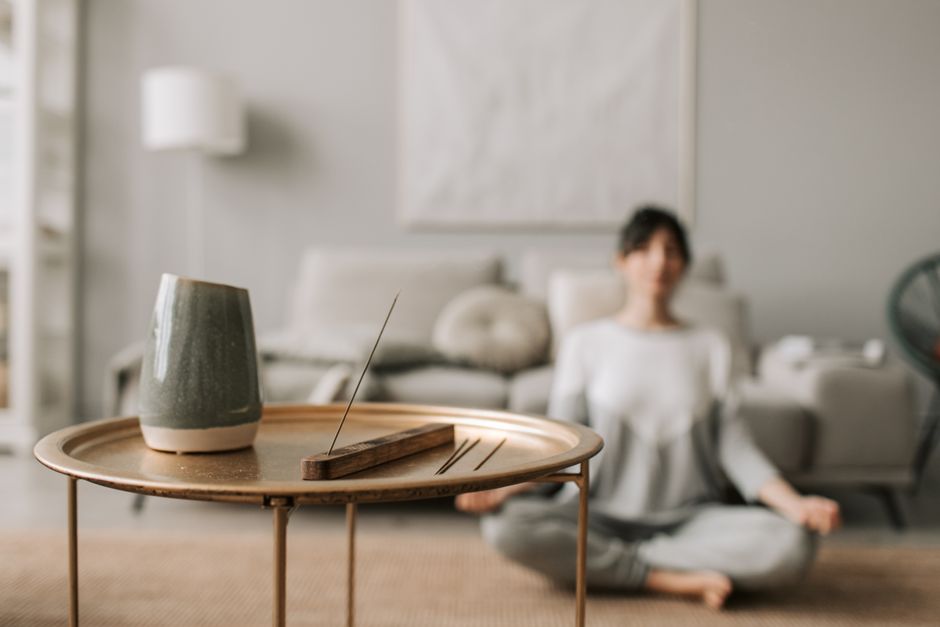
Incorporate techniques like meditation or deep-breathing exercises to reduce stress and enhance mental recovery. Apps and guided sessions can provide structure if you're new to these practices.
Utilize Recovery Tools
Tools such as foam rollers and massage balls can aid in muscle recovery. These are affordable and widely available in local markets across Nigeria.
Building a Personalized Recovery Plan
Assess Your Fitness Goals
Determine what you want to achieve and tailor your recovery plan accordingly. Whether aiming for muscle gain, weight loss, or endurance, each goal will require a unique recovery approach.
Seek Professional Guidance
Consulting with a fitness coach or physical therapist can provide insights into specialized recovery strategies. They can help you develop a plan that fits your individual needs.
Track Your Progress
Keep a recovery journal to note how your body responds to different techniques. This can help identify what works best for you.
Conclusion
Post-workout recovery is a vital component of any fitness regime. By incorporating these tips into your routine, you can enhance your performance, prevent injuries, and maintain an active lifestyle. Remember, recovery is personal, so feel free to experiment and find what best suits your lifestyle and goals. Embrace recovery not as an afterthought, but as a fundamental part of your health journey.