Whether you're an athlete, a fitness enthusiast, or someone who exercises occasionally, effective muscle recovery is crucial to maintaining your physical health and overall well-being. If you're in Nigeria, a country bustling with vibrant sports culture and diverse fitness activities, understanding how to recover your muscles effectively can make a significant difference in your performance and longevity in any physical activity.
Muscle recovery isn't just about resting after a long run or an intense gym session. It's a comprehensive approach that involves various strategies to restore, regenerate, and prepare your body for the next challenge. In this article, we'll delve into practical tips and methods that can enhance your muscle recovery process, ensuring you're always ready to tackle your fitness goals.
Understanding Muscle Recovery
What Happens to Your Muscles During Exercise
When you engage in physical activities, especially those that involve resistance or strength training, your muscles undergo stress. This stress leads to micro-tears in the muscle fibers, which are essential for growth but need proper recovery to heal and strengthen.
The Importance of Recovery
Recovery is the period when your muscles repair those micro-tears, leading to increased strength and endurance. Without adequate recovery, you're at risk of overuse injuries, fatigue, and diminished performance.
"Recovery is where the magic happens. It's the bridge between effort and improvement."
Top Muscle Recovery Techniques
Active Recovery
Incorporate low-intensity activities like walking, swimming, or cycling to facilitate blood flow and help remove metabolic waste from your muscles.
- Walking through a park or around your neighborhood
- Light cycling along the Lekki-Ikoyi Link Bridge
- Swimming at a local pool or beach
Hydration and Nutrition
Ensuring you stay hydrated and consume the right nutrients post-exercise is crucial. Water helps transport nutrients and oxygen to your muscles, aiding in recovery.
- Drink at least 3 liters of water daily, especially post-workout.
- Include protein-rich foods like beans, fish, and chicken in your meals.
- Consume fruits rich in antioxidants like oranges and pineapples.
Role of Stretching and Yoga in Recovery
Benefits of Stretching
Stretching post-exercise helps in improving flexibility, reducing muscle tension, and enhancing circulation.
Incorporating Yoga
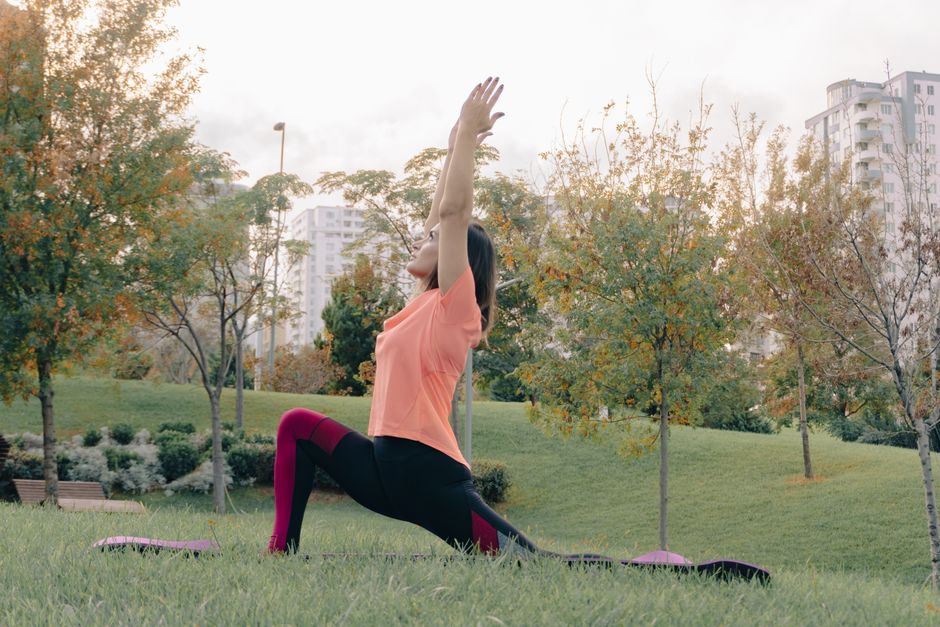
Yoga not only aids muscle recovery but also promotes mental relaxation. Consider joining a local yoga class or practicing at home with online tutorials.
"Yoga is a journey towards your own peace, strength, and balance."
Tools and Techniques for Enhanced Recovery
Foam Rolling
Using a foam roller can help in massaging tight muscles, reducing soreness, and improving blood flow.
Massage Therapy
Consider scheduling regular massages with a certified therapist to help alleviate muscle stiffness and promote relaxation.
Preventing Overtraining
Monitoring Exercise Intensity
Use tools like heart rate monitors to ensure you're not pushing your body beyond its limits.
Listen to Your Body
Your body often gives signals when it needs rest. Learn to recognize these signs to prevent overtraining injuries.
Conclusion
Effective muscle recovery is an essential component of any fitness regime. By incorporating strategies such as proper hydration, active recovery, stretching, and using recovery tools like foam rollers and massage, you can enhance your physical performance and reduce the risk of injury. Remember, the key to long-term success in fitness is balance—listen to your body, adjust your routine as needed, and always prioritize recovery as much as the workout itself.