Staying active is an essential part of maintaining a healthy lifestyle, yet the constant battle with injuries can be discouraging. In Nigeria, where the bustling rhythms of life often demand physical activity, knowing how to prevent injuries during workouts is vital. Whether you're navigating the busy streets of Lagos or enjoying a serene run in the countryside, being informed about injury prevention can ensure that your fitness journey remains uninterrupted.
In this comprehensive guide, we'll explore practical strategies to prevent injuries, from choosing the right footwear to incorporating appropriate warm-up routines. By understanding these principles, you can significantly enhance your workout efficiency while minimizing the risk of setbacks.
Understanding Common Workout Injuries
Types of Workout Injuries
Before diving into prevention methods, it's crucial to understand the types of injuries commonly associated with workouts. These include sprains, strains, fractures, and tendonitis, each affecting different parts of the body such as ankles, knees, and shoulders.
Causes of Workout Injuries
Injuries often stem from overuse, poor technique, inadequate warm-up, or even unsuitable equipment. Knowing these triggers allows you to tailor your exercise routines effectively.
- Overuse: Repeating the same movements can lead to stress injuries.
- Poor Technique: Incorrect posture or form can strain muscles unnecessarily.
- Insufficient Warm-Up: Without prepping muscles, the risk of injury increases.
- Inappropriate Gear: Wearing the wrong shoes or clothing can lead to physical stress.
Essential Injury Prevention Strategies
Warm-Up and Cool Down
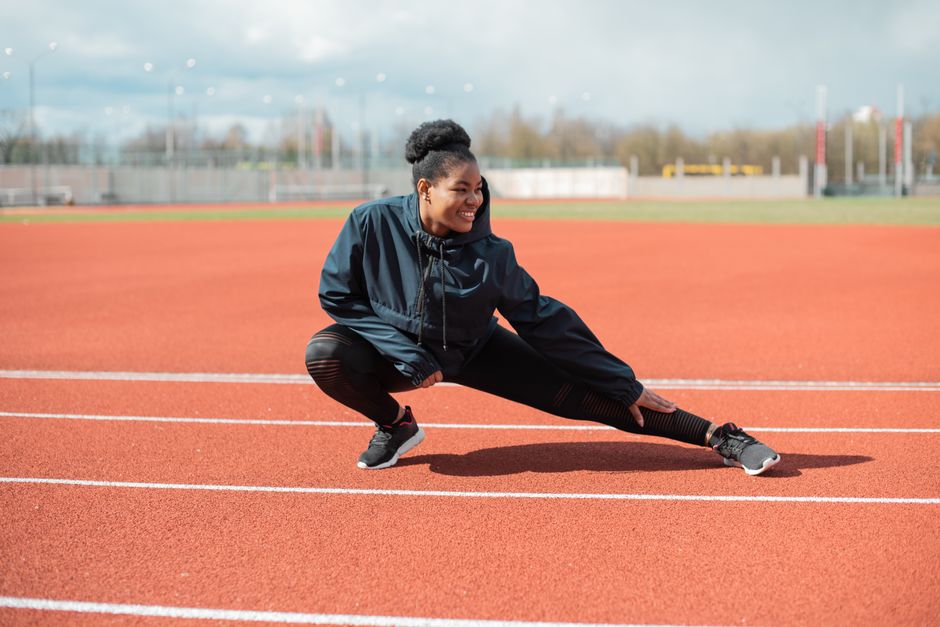
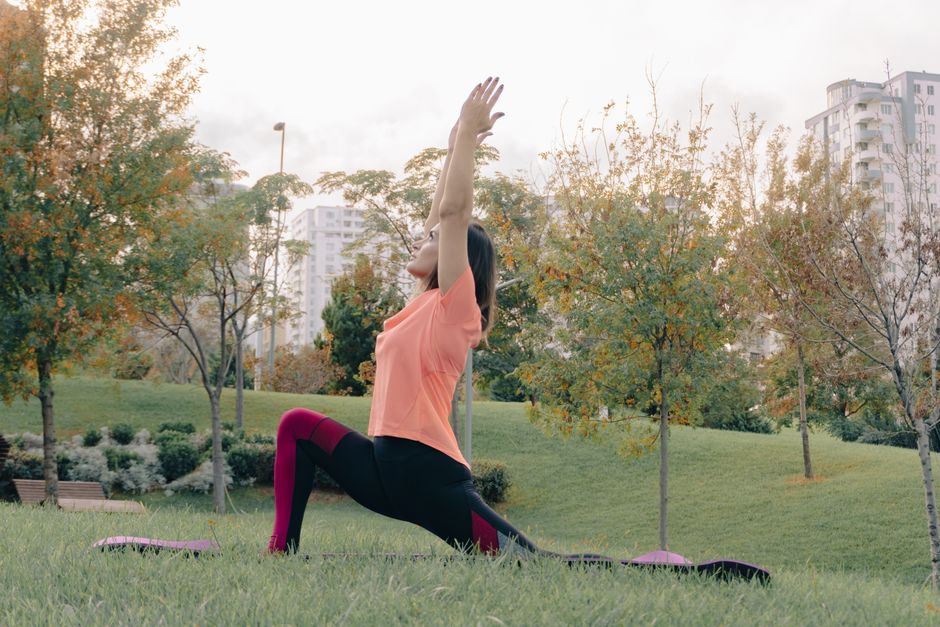
Effective warm-ups and cool-downs are non-negotiable. They prepare your body for physical exertion and assist in recovery post-exercise.
"A proper warm-up is like a key to unlocking your body's full potential during a workout."
Use Proper Technique
Adhering to correct form is essential. It not only enhances performance but also safeguards against accidental injuries.
- Seek guidance from certified trainers if unsure about technique.
- Utilize mirrors to self-check posture and alignment.
Choose the Right Equipment
Quality equipment tailored to your activity can significantly reduce injury risk. This includes everything from shoes to weights.
- Invest in good quality footwear suitable for your specific exercise.
- Ensure that weights and other gear are appropriate for your level.
Creating a Balanced Workout Routine
Incorporate Variety
Diverse workouts prevent overuse injuries by engaging different muscle groups.
"Variety is not just the spice of life, but also the essence of a balanced exercise routine."
Listen to Your Body
Your body communicates distress signals; recognizing them involves knowing when to rest and allowing time for recovery.
- Rest days are as important as active days.
- Monitor any persistent pain and seek medical advice if necessary.
Diet and Hydration
Nutrition's Role in Injury Prevention
A balanced diet fuels the body, aiding in performance and recovery. Ensure your meals are nutrient-dense.
Importance of Hydration
Staying hydrated helps maintain muscle function and reduces the likelihood of cramps and strains.
- Drink at least 2-3 litres of water daily, adjusting for activity level.
- Incorporate electrolytes during intense workouts.
Final Thoughts
By understanding the mechanics of injuries and the steps necessary to prevent them, you're better equipped to enjoy a fruitful and injury-free fitness journey. Keep these tips in mind as you embark on your next workout, whether it's a jog through Abuja's bustling neighborhoods or a yoga session on your porch. Remember, the goal is to stay healthy and injury-free, ensuring that your dedication to fitness is a lifelong journey.