In the journey of athleticism and fitness, muscle recovery often stands as the unsung hero. Whether you're a weekend warrior or a professional athlete, understanding and implementing effective muscle recovery techniques can make a significant difference. In Nigeria, where our rich cultural practices often celebrate physical prowess, knowing how to care for your muscles can enhance your performance and prevent injuries.
Muscle recovery is not just about resting after a workout. It involves a comprehensive approach that includes nutrition, hydration, stretching, and more. This article dives into practical strategies and insights tailored to the Nigerian context, where hot climates, bustling cities, and vibrant traditions play a role in our fitness routines.
The Importance of Muscle Recovery
Why Recovery Matters
Recovery is crucial because it helps repair muscles, reduce fatigue, and improve overall performance. Without proper recovery, you risk injuries and burnout, which can derail your fitness goals.
"Recovery is as essential as the workout itself. It ensures longevity and peak performance."
Common Misconceptions about Recovery
- More Exercise is Better: Overtraining without adequate recovery can lead to injuries.
- Recovery Equals Rest Only: Active recovery and proper nutrition are key components.
Effective Muscle Recovery Techniques
Hydration and Nutrition
Staying hydrated is essential, especially in Nigeria's hot climate. Water aids in muscle repair and reduces cramps.
Incorporate protein-rich foods like beans, chicken, and fish into your diet to support muscle repair.
Stretching and Foam Rolling
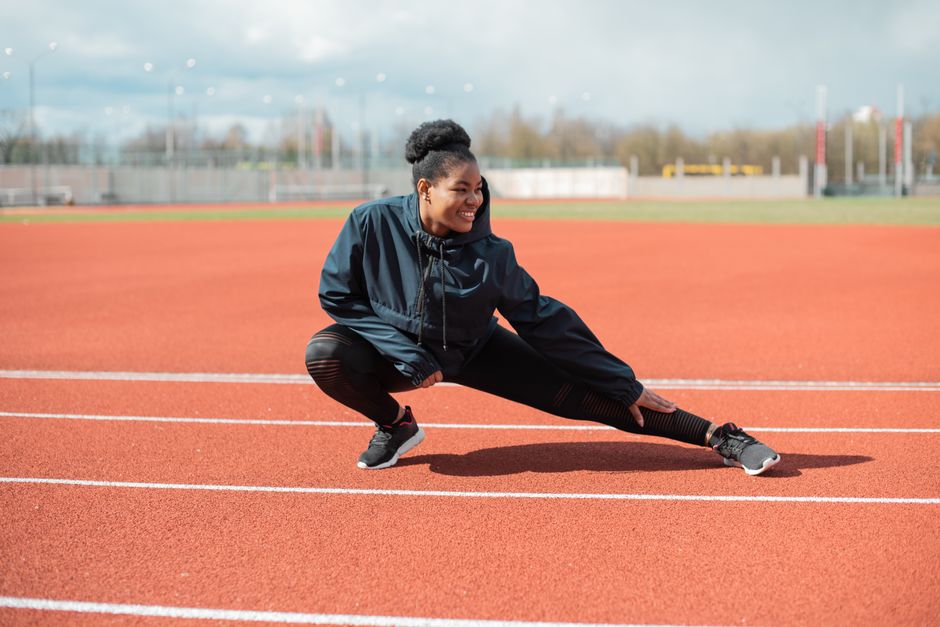
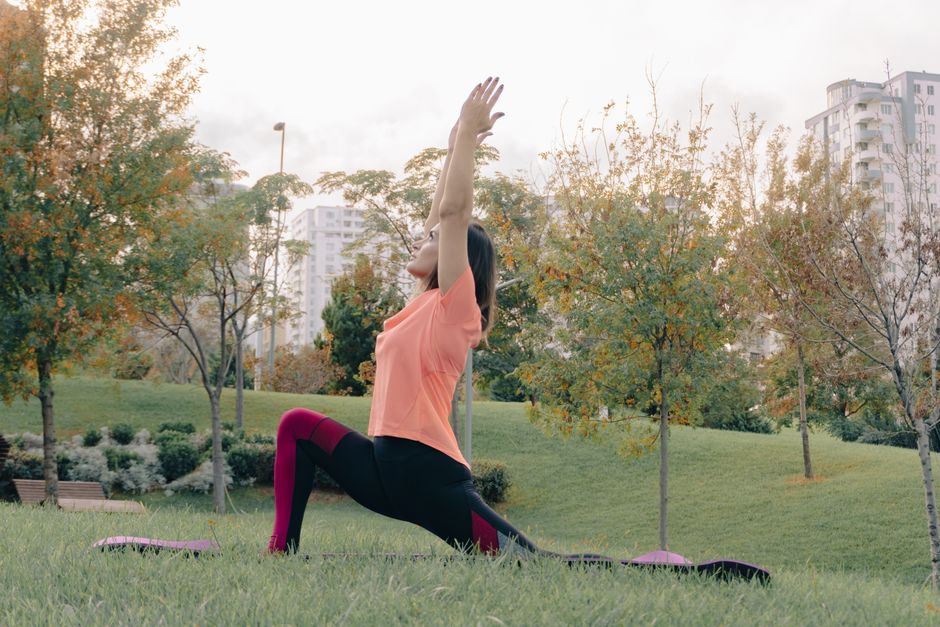
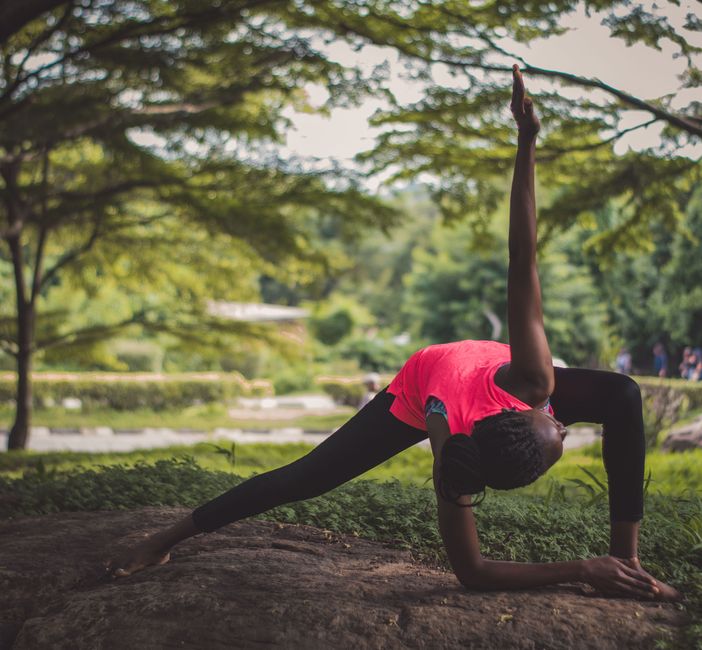
Incorporate dynamic stretching before workouts and static stretching afterward to improve flexibility and reduce soreness.
Foam rolling helps release muscle tension and improve blood flow. It's a simple, yet effective recovery tool.
Rest and Sleep
The Role of Sleep in Recovery
Sleep is when the body repairs and regenerates itself. Aim for 7-9 hours of quality sleep each night.
"Sleep is the body's natural recovery process. Prioritize it for optimal health."
Active Rest Days
Engage in light activities like walking or cycling on rest days to keep your body active without overexerting it.
Using Local Resources
Traditional Nigerian Practices
Explore local massages and heat therapy methods, which can enhance blood circulation and aid in recovery.
Community Support
Join local fitness groups or sports clubs to stay motivated and learn new recovery techniques from fellow athletes.
Common Recovery Mistakes to Avoid
Ignoring Signs of Overtraining
Listen to your body. If you're constantly fatigued or feeling pain, it might be time to scale back.
Neglecting Mental Health
Recovery isn't just physical. Stress management is crucial, so engage in activities that promote relaxation and mental well-being.
Conclusion
Muscle recovery is a multifaceted approach that involves rest, nutrition, and smart training strategies. For Nigerian athletes, leveraging local resources and understanding the unique challenges posed by our environment can enhance recovery practices. Remember, the better you recover, the better you perform.